Quote · Added 28 March 2026
Reading
AI generatedYour Brain's Predictions Are Guesses
We spend a lot of mental energy predicting failure before we even start. You convince yourself you can't write, can't speak up in meetings, can't learn to cook—and that prediction feels like fact. But it's really just your brain being cautious, which makes sense evolutionarily. The problem is that caution often masquerades as realism. You genuinely can't know what you're capable of until you actually try, and trying is the only experiment that matters.
The tricky part is that this isn't about toxic positivity or pretending effort always pays off. It's simpler than that. Some attempts will fizzle. But the interesting ones—the ones that stick—usually reveal something you didn't know about yourself. You discover you're better at something than expected, or that you actually enjoy it, or that you can tolerate discomfort more than you thought. None of that information exists in your head before you try.
The real shift happens when you stop treating "trying" as risky and start treating "not trying" as the actual gamble. Because the certainty of never knowing is its own kind of loss.
The author
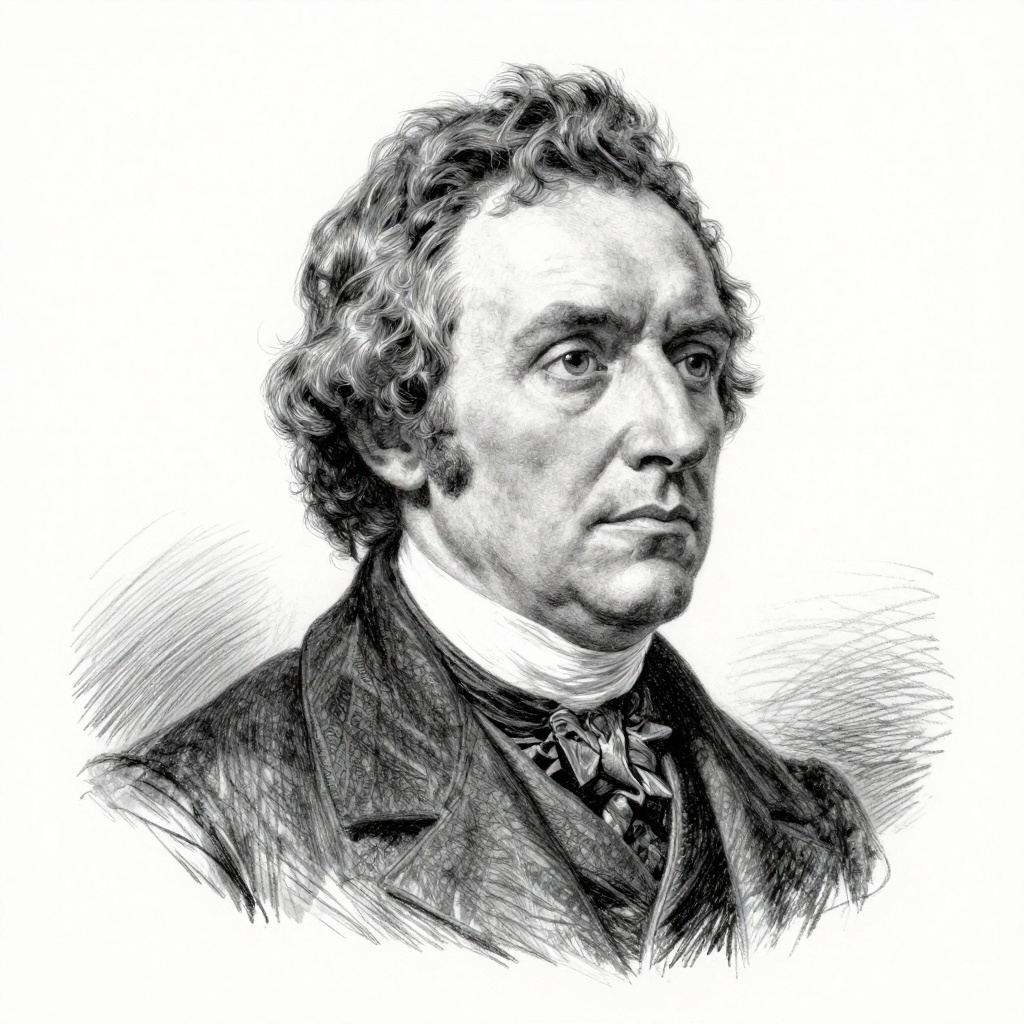
William Cobbett
1763–1835·lived 72 years
William Cobbett (1763-1835) was an English journalist, farmer, and political reformer known for his advocacy of agrarian rights and his criticism of industrialization. He was a prominent voice in early 19th-century England, using his publications, including the influential "Political Register," to promote social reform and articulate the grievances of the rural working class. Cobbett also authored several books on agricultural practices and political theory, earning a reputation as a champion of the common man.
Comments