Quote · Added 14 February 2026
We speak of virtue, honour, reason; but our thought does not translate any one of these concepts into a substance.
Wilhelm WundtPrinciples of Physiological Psychology, p. 123, 1874
Quote · Added 14 February 2026
We're all pretty comfortable talking about being honest, doing the right thing, or thinking clearly. But here's the uncomfortable part: when you try to actually point to what these things are, they slip through your fingers. They're not objects you can hold or measure. They're more like the way water flows—real and powerful, but refusing to stay in one shape.
This matters because we often treat virtues like they're simple switches we can flip on. We promise ourselves we'll be more disciplined or patient or courageous, as if these are things we can just decide to activate. But they're actually patterns of behavior, habits shaped by a thousand small choices and circumstances. When we forget that, we end up disappointed, blaming ourselves for failing at something we never quite pinned down in the first place.
The slightly strange realization here is that this vagueness isn't a flaw in our thinking—it might be exactly why these concepts survive. If virtue were concrete and measurable, it would be too small, too specific to each situation. Because honor and integrity can't be boxed into formulas, they stay flexible enough to matter in the unpredictable mess of real life. The abstraction is actually the point.
1832–1920·lived 88 years
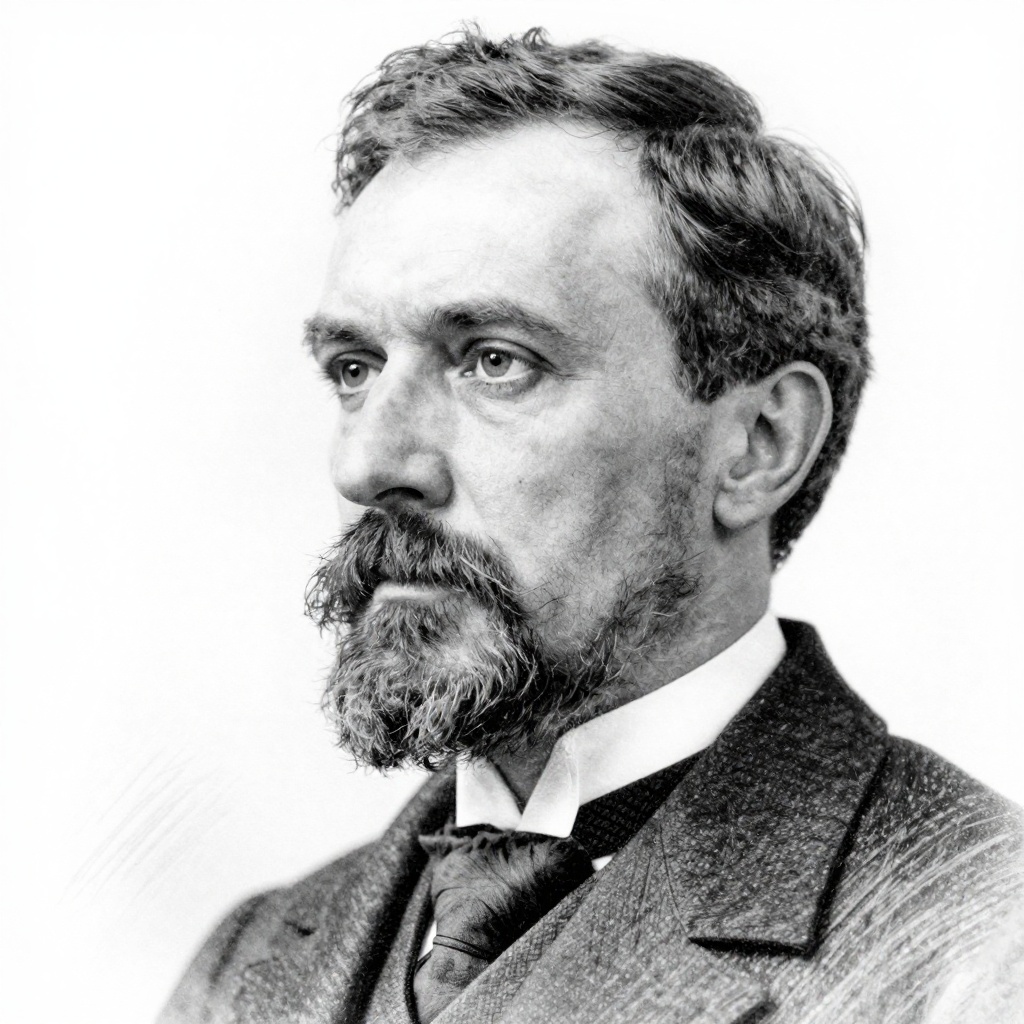
Wilhelm Wundt (1832-1920) was a German psychologist and philosopher, widely regarded as the "father of experimental psychology." He established the first psychological laboratory at the University of Leipzig in 1879, which marked the official separation of psychology from philosophy and physiology. Wundt is known for his work in introspection and for developing the theory of structuralism, focusing on the conscious experience and the structure of the mind.
Comments