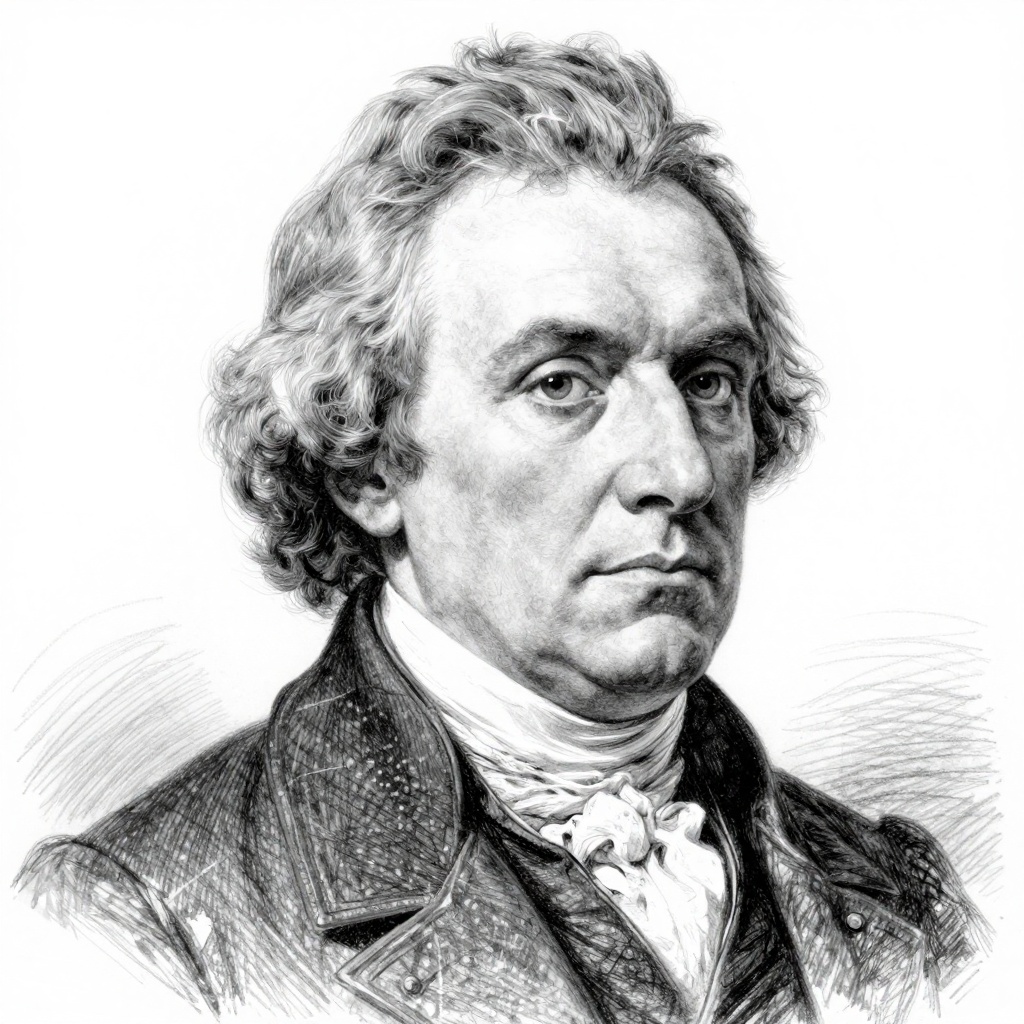
Learning is acquired by reading books, but the much more necessary learning, the knowledge of the world, is on... — Wilhelm von Humboldt

Learning is acquired by reading books, but the much more necessary learning, the knowledge of the world, is only to be acquired by reading men, and studying all the various facets of them.

Author: Wilhelm von Humboldt

Insight: There's a peculiar gap between what we know from books and what we actually understand about life. You can read about conflict resolution or human motivation until you're dizzy with theory, but then you step into a tense conversation with a friend and realize you're improvising anyway. That's because people are messier, more contradictory, and more revealing than any well-organized chapter. When you really pay attention to someone—how they react under pressure, what they claim to value versus what they actually do, why they keep repeating the same mistakes—you're learning something no textbook can quite capture. The tricky part is that reading people well requires genuine curiosity rather than judgment. Most of us are too busy waiting for our turn to talk, or silently scorekeeping, to actually notice the complexity in front of us. But when you do that work—really listening to different types of people, watching how they handle disappointment, seeing what makes them light up—you develop an intuition about human nature that becomes almost invaluable. It's the difference between understanding loneliness as a concept and recognizing it in someone's forced smile. Books give you the vocabulary. People teach you what it means.

Books teach concepts, people teach truth

Learning is acquired by reading books, but the much more necessary learning, the knowledge of the world, is only to be acquired by reading men, and studying all the various facets of them.

There's a peculiar gap between what we know from books and what we actually understand about life. You can read about conflict resolution or human motivation until you're dizzy with theory, but then you step into a tense conversation with a friend and realize you're improvising anyway. That's because people are messier, more contradictory, and more revealing than any well-organized chapter. When you really pay attention to someone—how they react under pressure, what they claim to value versus what they actually do, why they keep repeating the same mistakes—you're learning something no textbook can quite capture.

The tricky part is that reading people well requires genuine curiosity rather than judgment. Most of us are too busy waiting for our turn to talk, or silently scorekeeping, to actually notice the complexity in front of us. But when you do that work—really listening to different types of people, watching how they handle disappointment, seeing what makes them light up—you develop an intuition about human nature that becomes almost invaluable. It's the difference between understanding loneliness as a concept and recognizing it in someone's forced smile. Books give you the vocabulary. People teach you what it means.

AI generated

Comments

Sign in to leave a comment or reply to one.

Sign in

Wilhelm von Humboldt

Wilhelm von Humboldt (1767-1835) was a German philosopher, linguist, government functionary, and founder of the Humboldt University of Berlin. He is renowned for his contributions to the philosophy of language and education, advocating for the idea that language shapes thought and for a holistic approach to learning. His work laid the groundwork for modern linguistics and he greatly influenced educational reform in Germany.

Graph

Related