Quote · Added 15 February 2026
Reading
AI generatedWishes Stay in Your Head
We all know people who talk endlessly about what they want—a better job, a healthier lifestyle, more meaningful relationships—yet somehow nothing changes. They're wishing. Then there are people who might want the same things, but they've quietly converted those wants into actual plans. They schedule the gym sessions. They take the course. They make the call. The difference isn't talent or luck; it's the gap between wanting something and committing to the specific steps that make it real.
What makes this distinction so useful is that it's not about being naturally disciplined or ambitious. It's about translating a vague desire into a concrete purpose—knowing not just that you want something, but why you want it and what you're willing to do about it. A wish lives in your head. A purpose lives in your calendar, your choices, and your daily decisions. The harder part is that maintaining a purpose requires actually being willing to say no to other things.
The quiet power here is that anyone can do this shift. You don't need to be exceptional to move from wishing to purposing. You just need to be willing to do the unglamorous work of clarity and follow-through that most people skip over because it's less fun to think about than the dream itself.
The author
All 5 quotes by Washington Irving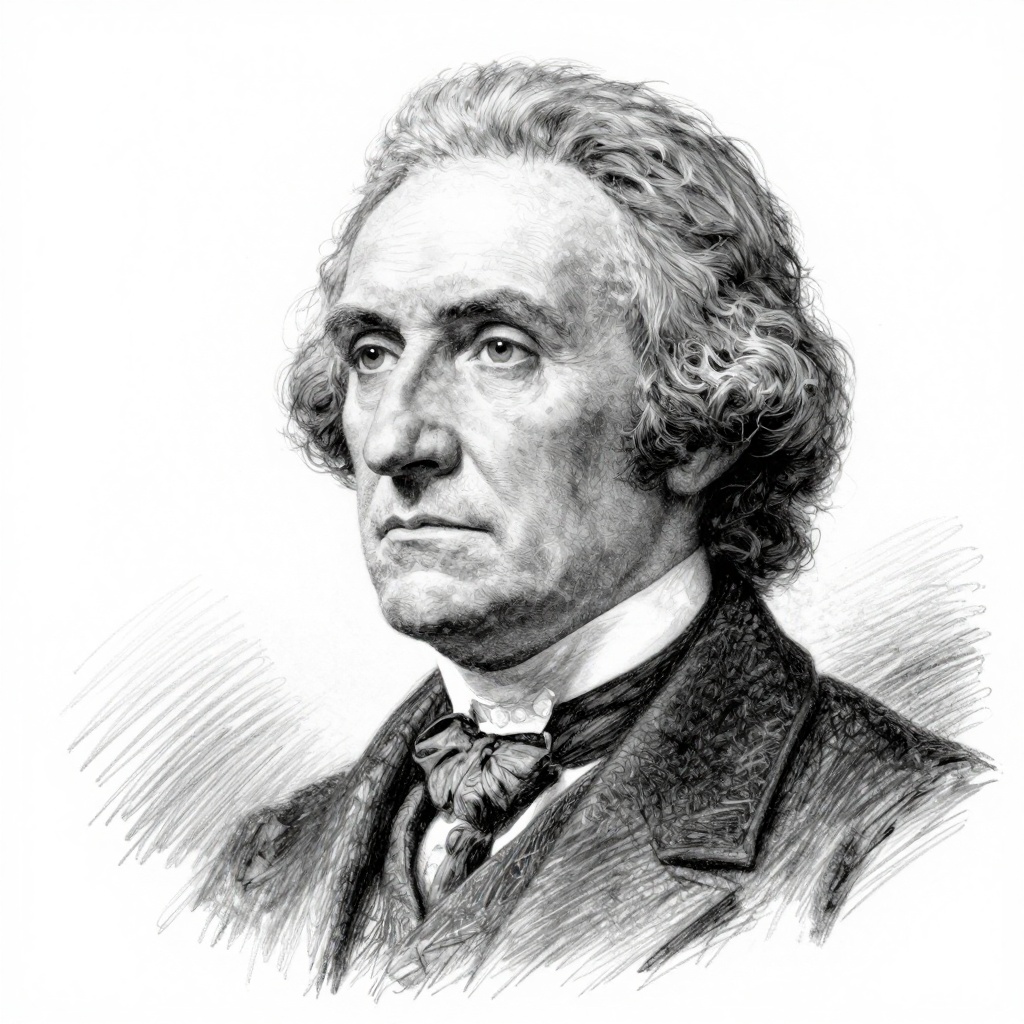
Washington Irving
1783–1859·lived 76 years
Washington Irving was an American author, essayist, and biographer, born on April 3, 1783, in New York City. He is best known for his short stories, particularly "The Legend of Sleepy Hollow" and "Rip Van Winkle," which are foundational works of American literature. Irving is often credited with popularizing the American short story as a literary form and is considered one of the first American writers to gain international fame.
Also by Washington Irving
Some minds seem almost to create themselves, springing up under every disadvantage and wor...
Comments