Quote · Added 15 February 2026
Age is a matter of feeling, not of years.
Filed underage·perception·emotions
Quote · Added 15 February 2026
Filed underage·perception·emotions
We're told age is objective—a number that climbs year after year whether we like it or not. But if you've ever felt thirty at sixty, or exhausted at twenty-five, you know that's not quite true. The real measure of aging isn't what the calendar says; it's how alive you feel, how curious you remain, whether you're still willing to try new things or if you've already decided your best days are behind you.
This matters more now than maybe ever, because we're surrounded by people defying the script—starting careers at fifty, learning guitar at seventy, switching directions when everyone said they should have settled. Meanwhile, some younger people move through life like they're already done, playing it safe, too tired or cynical to engage. The irony is that pessimism ages you faster than anything else.
The slightly uncomfortable part: you can't entirely fake this feeling. You can't just decide to be young through attitude alone. But you can choose curiosity over resignation, small experiments over rigid routines, listening over knowing it all. That's where the real difference lies—not in denying your years, but in refusing to let them tell you who you're supposed to be.
1783–1859·lived 76 years
Washington Irving was an American author, essayist, and biographer, born on April 3, 1783, in New York City. He is best known for his short stories, particularly "The Legend of Sleepy Hollow" and "Rip Van Winkle," which are foundational works of American literature. Irving is often credited with popularizing the American short story as a literary form and is considered one of the first American writers to gain international fame.
Also by Washington Irving
Some minds seem almost to create themselves, springing up under every disadvantage and wor...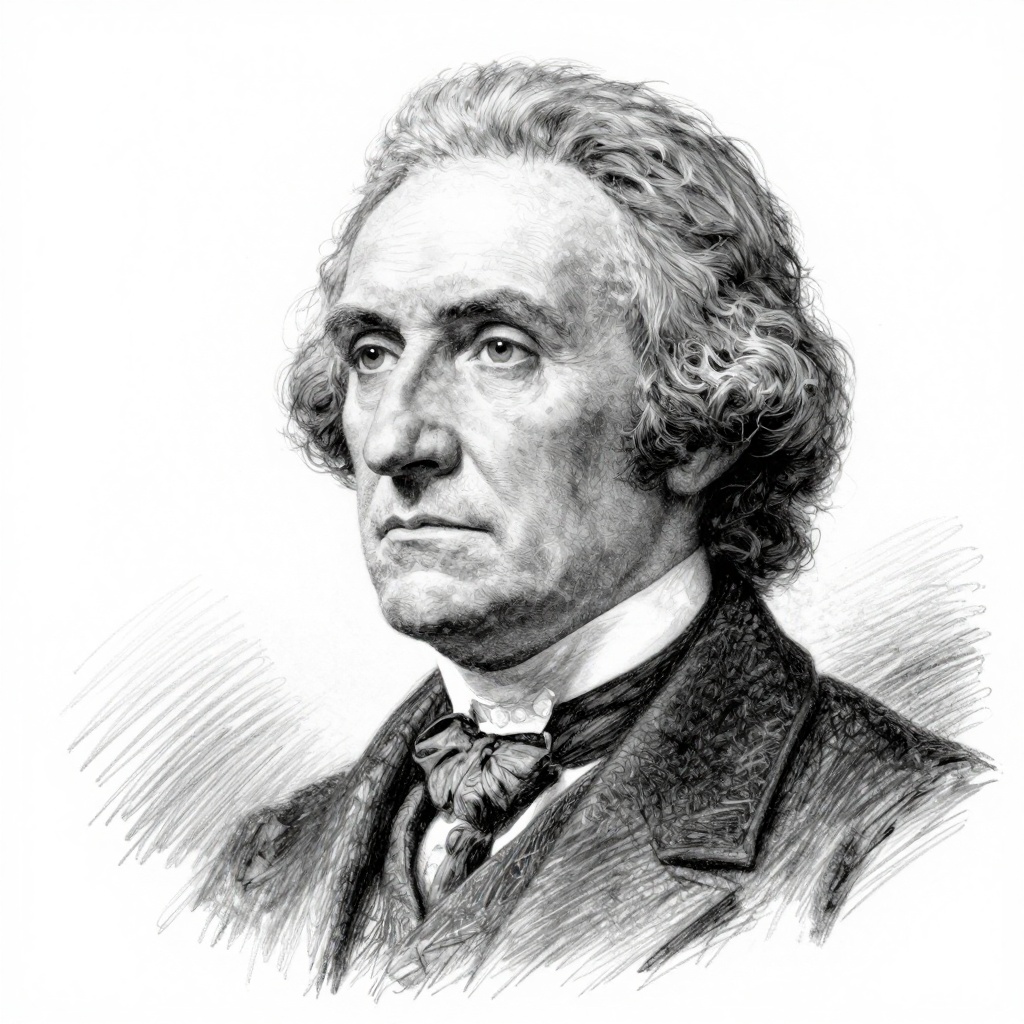
Comments