Quote · Added 22 March 2026
The greatest mistake is trying to be more agreeable than you can be.
Filed undermistake·authenticity·self-acceptance
Quote · Added 22 March 2026
Filed undermistake·authenticity·self-acceptance
We do this constantly: soften our actual opinions, laugh at jokes we don't find funny, say yes when we mean no. The thinking is usually protective—stay likeable, avoid friction, keep the peace. But Bagehot's pointing at something stranger: the mistake isn't being disagreeable. It's the exhausting performance of being more agreeable than feels natural to you.
When you're constantly calibrating yourself to be smoother, more appeasing, more palatable than you actually are, something breaks. People sense the gap between the real you and the performed version. Worse, you're constantly tired from the effort. The relationships that survive this act tend to be built on a false foundation—people think they know you, but they're relating to a carefully managed version. They might like that version, but that doesn't actually feel like being liked.
The insight that's easy to miss: being genuinely less agreeable, if that's who you are, often creates more honest connection than pretending to be agreeable. The people who can handle the real you—quirks, unpopular takes, awkward pauses and all—are usually the ones worth keeping around anyway.
1826–1877·lived 51 years
Walter Bagehot (1826–1877) was an English economist, journalist, and critic. He is best known for his works on economic theory and the English constitution, particularly his influential book "Lombard Street" which examined the functioning of the financial system. Bagehot was a prominent figure in Victorian intellectual circles and his writings continue to be studied in the fields of economics and political science.
Also by Walter Bagehot
The greatest pleasure in life is doing what people say you cannot do.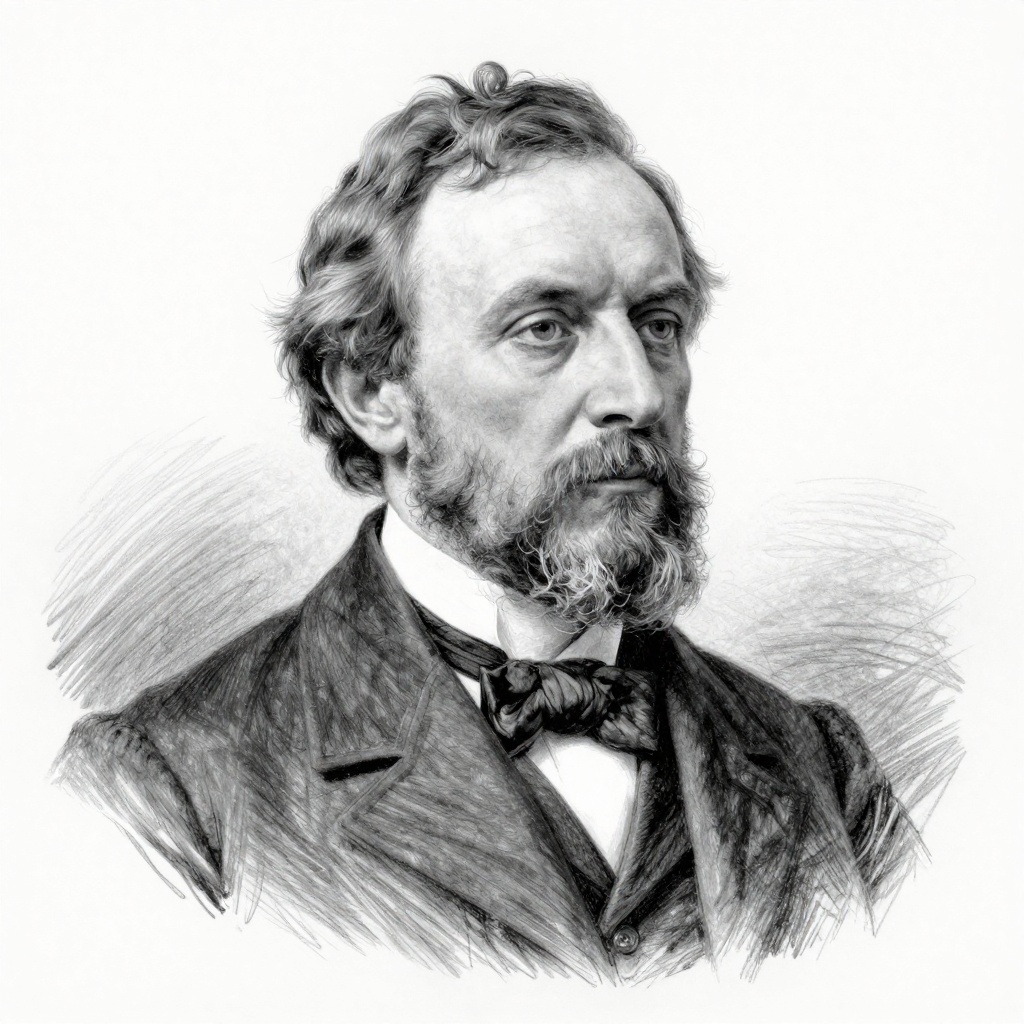
Comments