Quote · Added 24 January 2024
Keep your face always toward the sunshine, and shadows will fall behind you
Walt WhitmanThe Melody of the Heart, 1908
Filed undersunshine·optimism·perspective
Quote · Added 24 January 2024
Filed undersunshine·optimism·perspective
There's something almost stubborn about this advice, and that's what makes it useful. It's not saying pretend bad things don't exist—it's saying where you direct your attention literally shapes what you see. If you're always scanning for problems, threats, and disappointments, that's genuinely what fills your vision. But if you orient yourself toward what's working, what's possible, what you're grateful for, the difficulties don't disappear; they just stop being the main event.
The tricky part is that this requires constant small choices. It's not a one-time decision to "be positive." It's about noticing when you've drifted into doom-scrolling or replaying a failure, and gently turning your face back toward something that actually nourishes you. Some days that means a real accomplishment. Other days it's just morning coffee or a friend who made you laugh. The shadows are always there—that's not the point. The point is deciding they won't be what you lead with.
What makes Whitman's image so sharp is that it's physical, not just mental. You can't face two directions at once. Every moment you're spending energy on resentment or anxiety is a moment you're not spending on what matters. That's not denial; that's just physics.
1819–1892·lived 72 years
Walt Whitman (1819–1892) was an American poet, essayist, and journalist known for his groundbreaking poetry collection "Leaves of Grass." He is regarded as one of the most significant American poets, celebrated for his innovative free verse style and his profound exploration of democracy, individualism, and the human experience.
Also by Walt Whitman
I believe a leaf of grass is no less than the journey-work of the stars.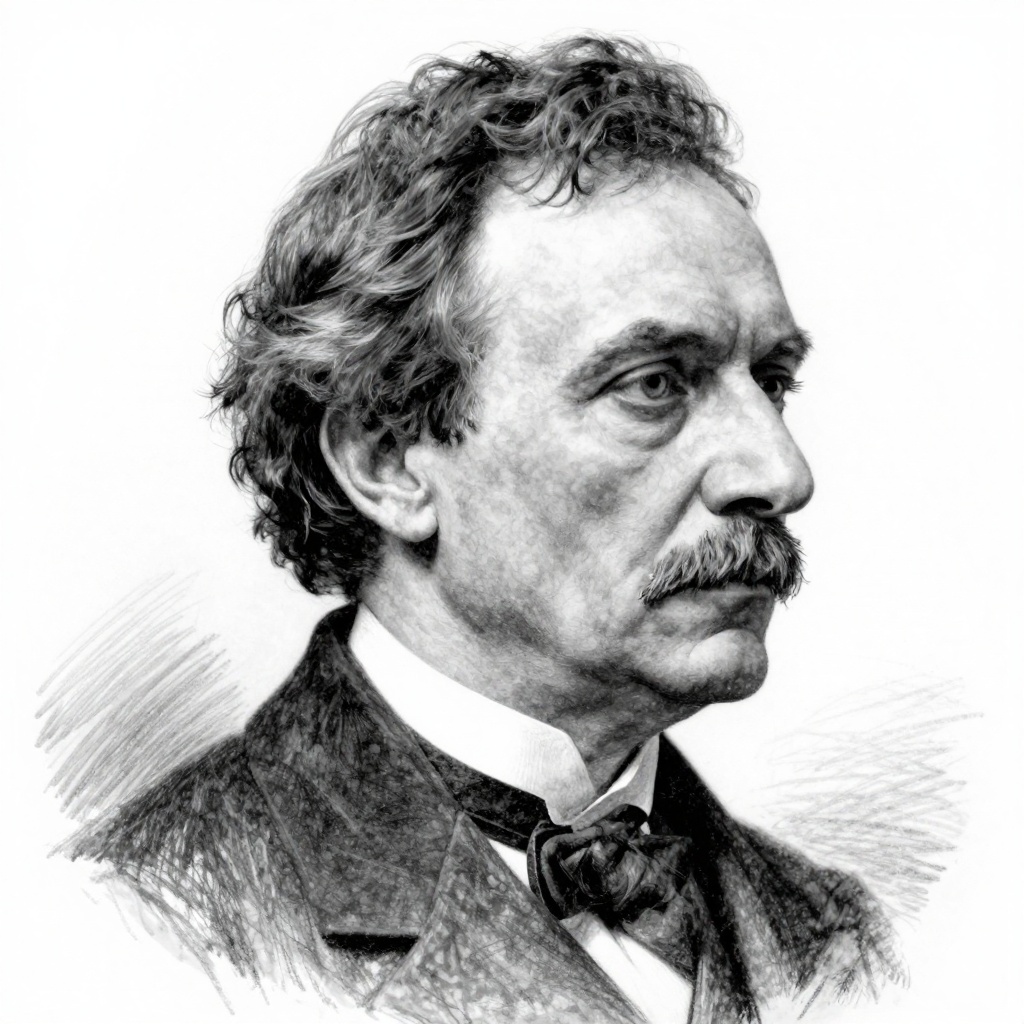
Comments