Quote · Added 10 February 2026
I know not age, nor weariness nor defeat.
Walt WhitmanSong of Myself, 1881-82, Leaves of Grass
Filed underage·resilience·defiance
Quote · Added 10 February 2026
Filed underage·resilience·defiance
There's something almost defiant in this line—Whitman refusing to let circumstance have the final word on who he is. Not that he's denying age actually happens to his body, or that exhaustion isn't real. Rather, he's drawing a distinction between what happens to us and what we accept as our identity. Age comes, sure, but it doesn't get to define the energy or curiosity or reach of a person's spirit.
This matters now because we live in a time obsessed with decline narratives. We're told at 40 that we're "past our peak," at 60 that we should be winding down, at 70 that we've earned the right to stop trying. And weariness—we wear it like a badge, as if exhaustion proves we're serious people. But Whitman is pointing at something most of us recognize in moments of real aliveness: those times when you lose track of your age or fatigue because you're genuinely absorbed in something. A conversation that electrifies you. Work that matters. Discovery. In those moments, the clock doesn't disappear, but it stops being the story.
The unexpected part is that this isn't about denying pain or pretending hardship doesn't exist. It's about refusing to make defeat into a permanent personality trait. Defeat happens. But it doesn't have to be who you are.
1819–1892·lived 72 years
Walt Whitman (1819–1892) was an American poet, essayist, and journalist known for his groundbreaking poetry collection "Leaves of Grass." He is regarded as one of the most significant American poets, celebrated for his innovative free verse style and his profound exploration of democracy, individualism, and the human experience.
Also by Walt Whitman
I believe a leaf of grass is no less than the journey-work of the stars.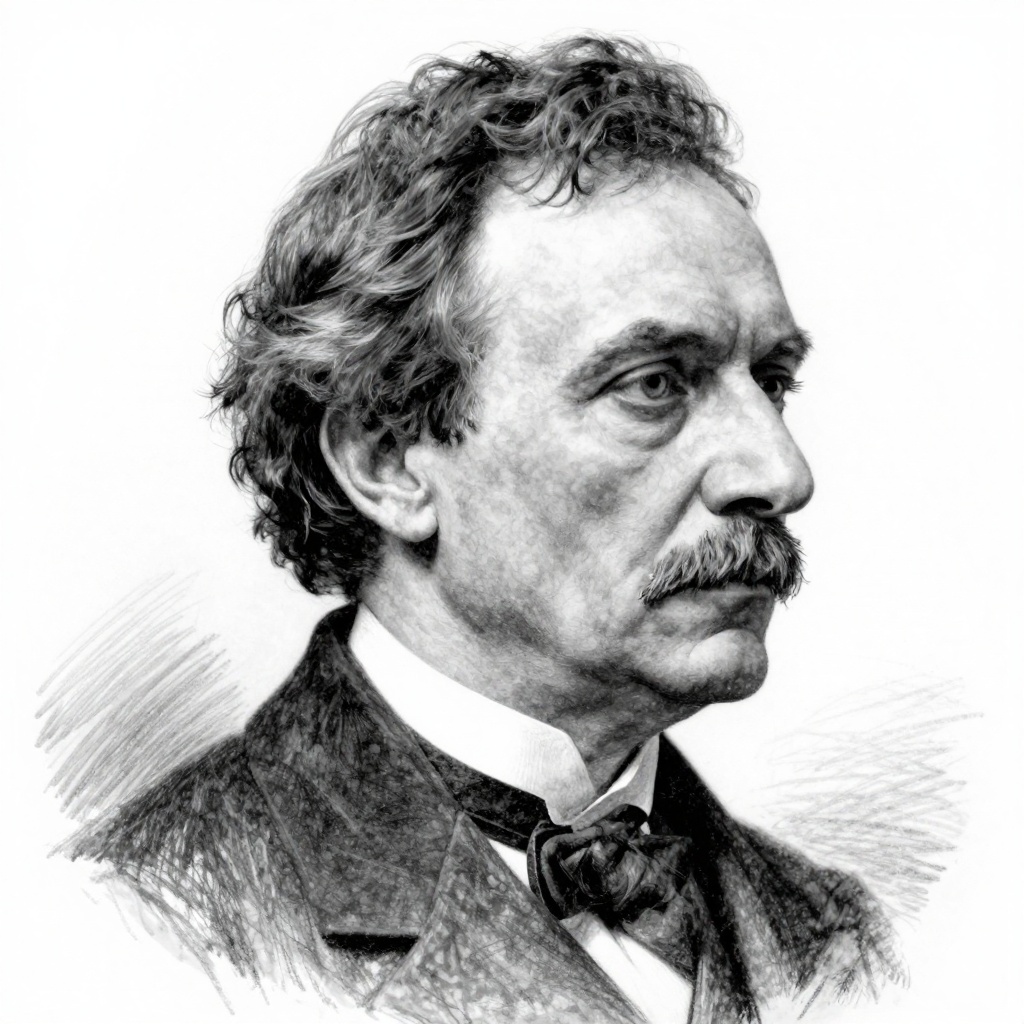
Comments