Quote · Added 10 February 2026
What would life be if we had no courage to attempt anything?
Vincent van GoghLetter to Theo, 1881
Quote · Added 10 February 2026
Most of us think courage means charging headfirst into obvious danger. But van Gogh was asking something quieter and stranger: what if courage is just the willingness to try? Not to succeed necessarily, but to actually make the attempt. Without that basic willingness, life becomes a series of closed doors you never even approach.
We see this play out constantly in small ways. The person who never applies for the job they want, never starts the conversation, never shows their work to anyone. They avoid the specific pain of rejection by choosing the dull, constant pain of wondering what might have happened. Van Gogh himself knew this intimately—he struggled through rejection after rejection as an artist. But he kept attempting, kept failing, kept going anyway. That attempt itself was the whole point.
The real tension isn't between courage and fear. Both usually show up together. The question is whether we let the fear have the final say. A life without attempting isn't safer—it's just smaller. It's the difference between actually living through difficulty and just living inside the worry about difficulty.
1853–1890·lived 37 years
Vincent van Gogh (1853–1890) was a Dutch post-impressionist painter known for his vivid use of color and expressive brushwork. Despite struggling with mental health issues throughout his life, he created over 2,000 artworks, including iconic pieces like "Starry Night" and "Sunflowers," which have had a lasting impact on the world of art.
Also by Vincent van Gogh
Someone has a great fire in his soul and nobody ever comes to warm themselves at it, and p...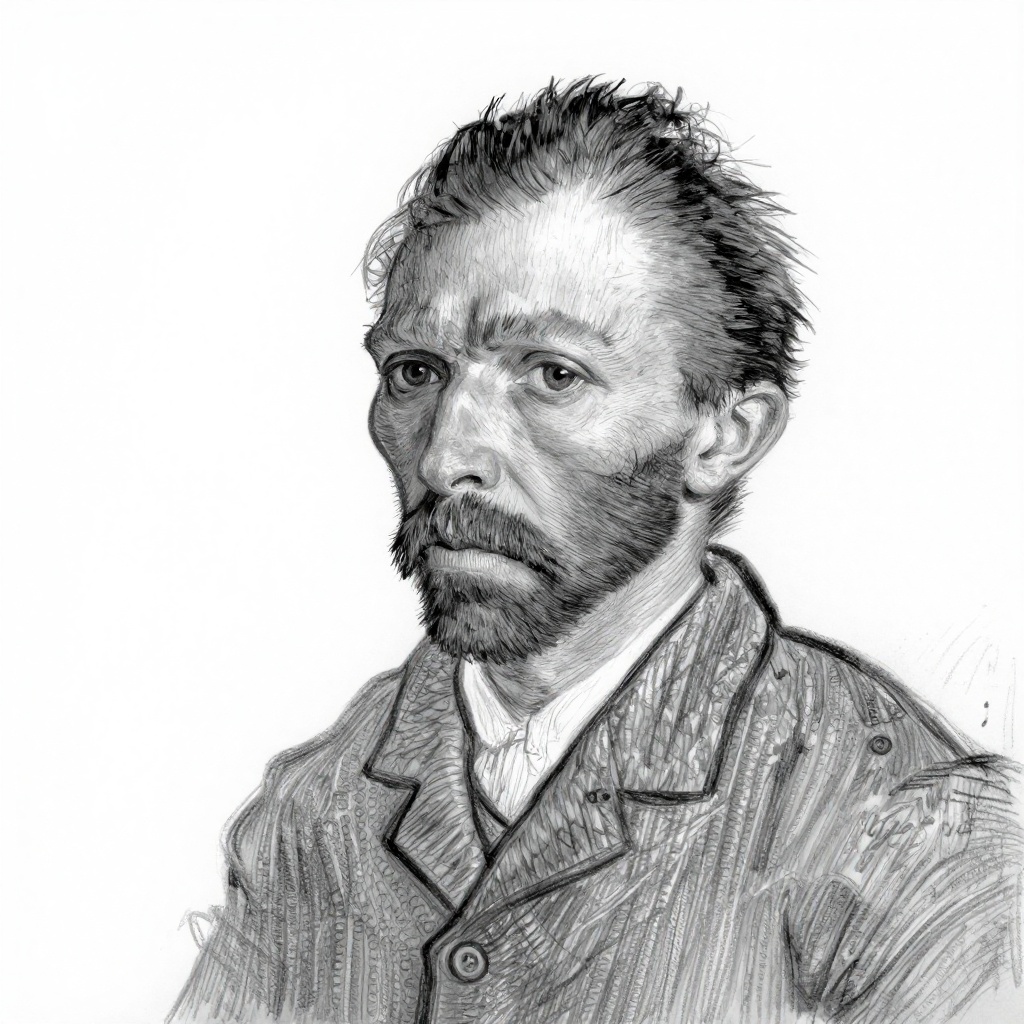
Comments