Quote · Added 21 September 2023
There is nothing more truly artistic than to love people.
Vincent van GoghLetter to Theo, September 18, 1888
Quote · Added 21 September 2023
We tend to think of art as something that happens on canvas or in concert halls—something requiring talent, training, or special circumstances. But Van Gogh is pointing at something stranger and more demanding: that the deepest artistic act might be something you do every single day, whether anyone applauds it or not. Loving people well is artistic because it requires the same things great art requires: attention, courage, and a willingness to be changed by what you're paying attention to.
When you really love someone, you're noticing details others miss. You're taking risks—putting yourself out there, being vulnerable. You're improvising constantly, adjusting to who they actually are rather than who you wanted them to be. That's not sentimental. It's the opposite of easy. Most of us spend our lives half-paying attention, playing it safe, staying comfortable. Actual love asks us to show up fully, to see people clearly, and to keep showing up even when it's hard or unrewarding.
The twist is that this might explain why Van Gogh painted the way he did. His sunflowers and starry nights aren't technically perfect, but they vibrate with something urgent—like he was painting the way he loved, with complete commitment and no reserve. Maybe the work only becomes truly artistic when it comes from that same place.
1853–1890·lived 37 years
Vincent van Gogh (1853–1890) was a Dutch post-impressionist painter known for his vivid use of color and expressive brushwork. Despite struggling with mental health issues throughout his life, he created over 2,000 artworks, including iconic pieces like "Starry Night" and "Sunflowers," which have had a lasting impact on the world of art.
Also by Vincent van Gogh
Someone has a great fire in his soul and nobody ever comes to warm themselves at it, and p...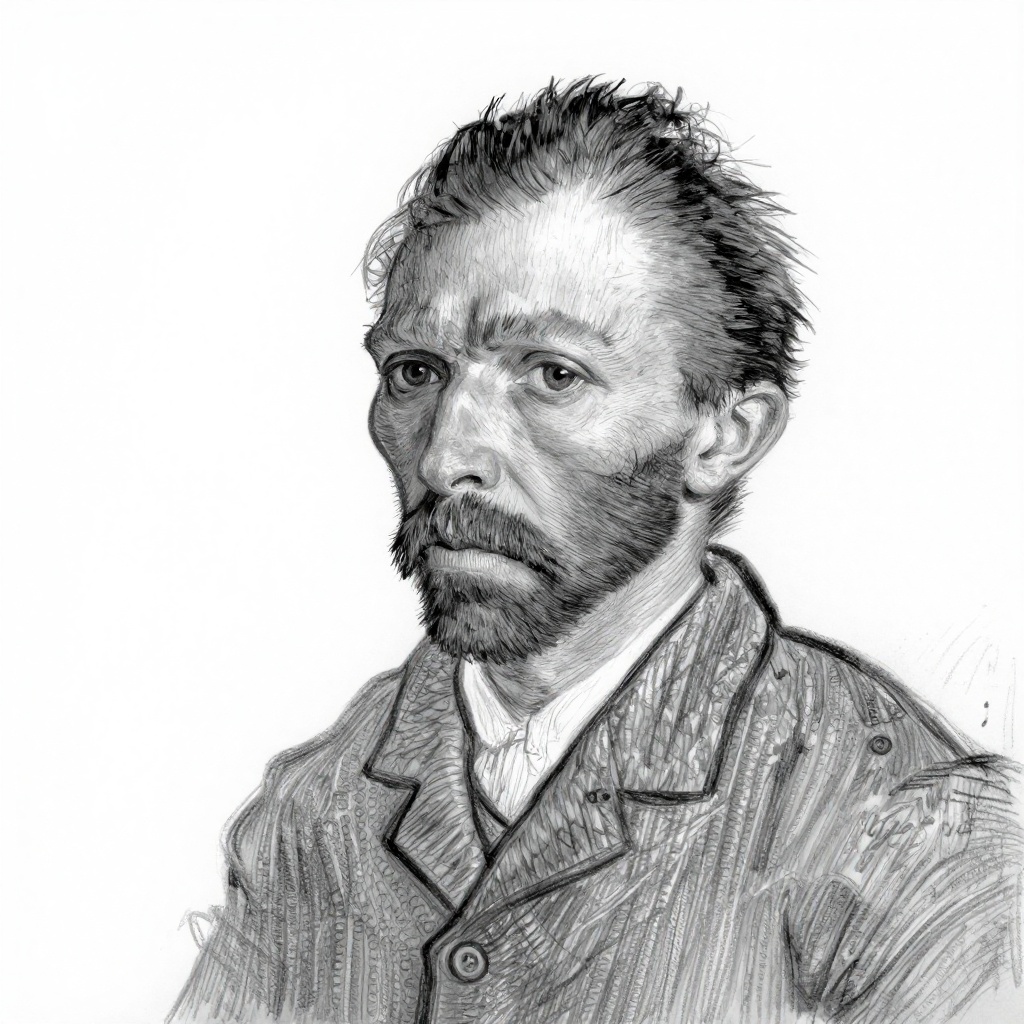
Comments