Quote · Added 14 February 2026
Reading
AI generatedWhen passion becomes self-erasure
We often celebrate the idea of "giving everything" to what we love—pouring yourself into your passion, sacrificing for your craft. But van Gogh's admission cuts through the romance of that narrative. There's a real cost to total immersion, and sometimes that cost isn't just exhaustion or burned-out productivity. Sometimes it's literally losing touch with yourself.
The tricky part is that intensity and obsession can feel identical from the inside. When you're deep in something meaningful, you might not notice the moment it stops feeding you and starts consuming you. Your mind becomes the work instead of the work being something your mind does. You lose the ability to step back, to rest, to remember who you are outside of it. The line between dedication and self-destruction isn't always clear until you've crossed it.
This doesn't mean caring deeply is dangerous. But it's worth asking yourself: Am I building something, or am I trying to disappear into something? There's wisdom in loving your work fiercely while still protecting the parts of yourself that exist outside it. The best work often comes from people who know how to put the tools down.
The author
All 16 quotes by Vincent van Gogh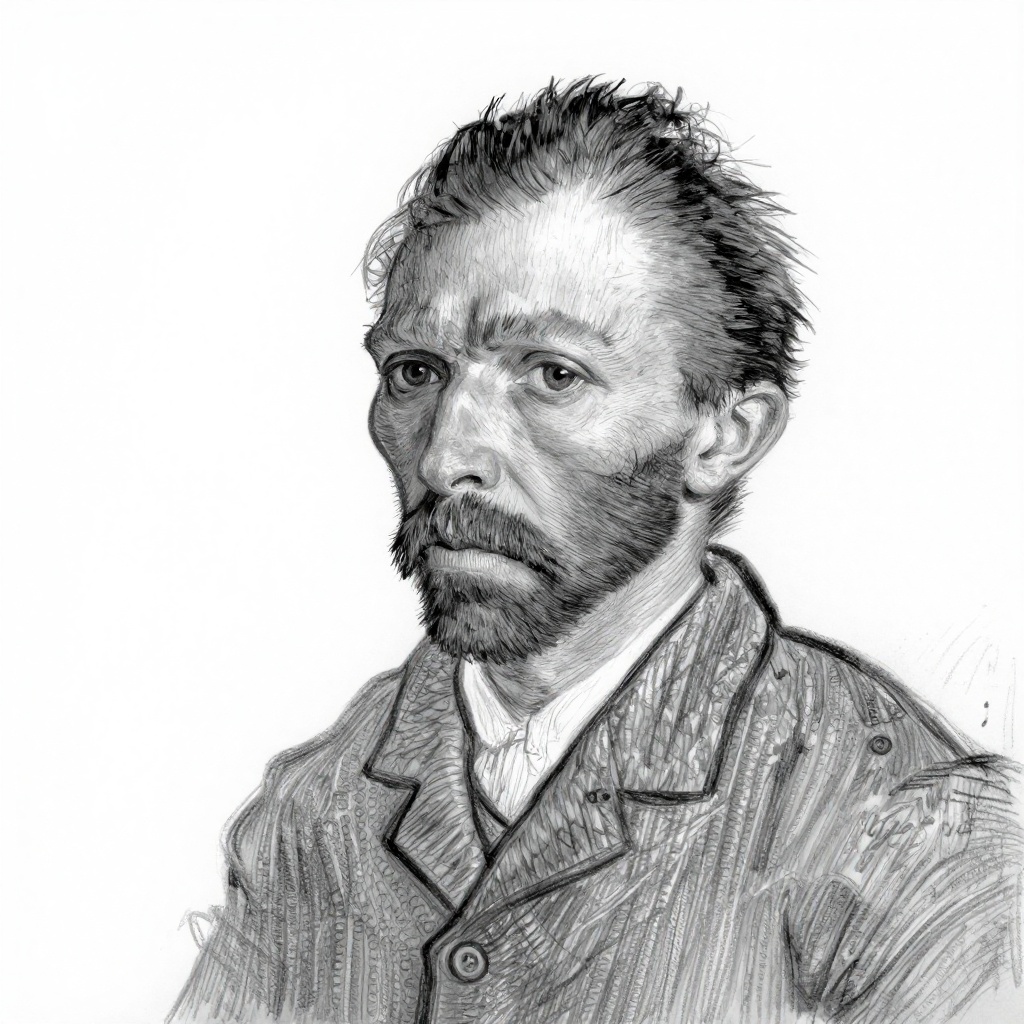
Vincent van Gogh
1853–1890·lived 37 years
Vincent van Gogh (1853–1890) was a Dutch post-impressionist painter known for his vivid use of color and expressive brushwork. Despite struggling with mental health issues throughout his life, he created over 2,000 artworks, including iconic pieces like "Starry Night" and "Sunflowers," which have had a lasting impact on the world of art.
Also by Vincent van Gogh
Someone has a great fire in his soul and nobody ever comes to warm themselves at it, and p...
Comments