Quote · Added 14 February 2026
I feel that there is nothing more truly artistic than to love people.
Vincent van GoghDear Theo: The Autobiography of Vincent van Gogh, 1937
Quote · Added 14 February 2026
We often think of art as something that happens in studios—paint on canvas, notes on a staff, words arranged on a page. But Van Gogh is pointing at something different: that the deepest artistic act might be paying genuine attention to another person. When you really see someone—their struggles, their small kindnesses, the way they laugh—you're doing creative work. You're looking beyond the surface in a way most people rush past.
This matters now because we're drowning in surfaces. We scroll past thousands of faces daily, each one flattened into a profile or a comment. Real love of people requires the opposite impulse: slowing down, noticing details, staying curious about someone even when it's inconvenient. That's harder than it sounds, and rarer. It means resisting the urge to fix people or judge them, and instead holding space for their complexity.
The quietly radical part is that this kind of attention—this love—transforms not just the people receiving it but the person giving it. You become more alive, more perceptive, more genuinely creative in how you move through the world. Van Gogh knew something about loneliness and struggle, which is probably why he recognized that connection itself is the most honest art form we have.
1853–1890·lived 37 years
Vincent van Gogh (1853–1890) was a Dutch post-impressionist painter known for his vivid use of color and expressive brushwork. Despite struggling with mental health issues throughout his life, he created over 2,000 artworks, including iconic pieces like "Starry Night" and "Sunflowers," which have had a lasting impact on the world of art.
Also by Vincent van Gogh
Someone has a great fire in his soul and nobody ever comes to warm themselves at it, and p...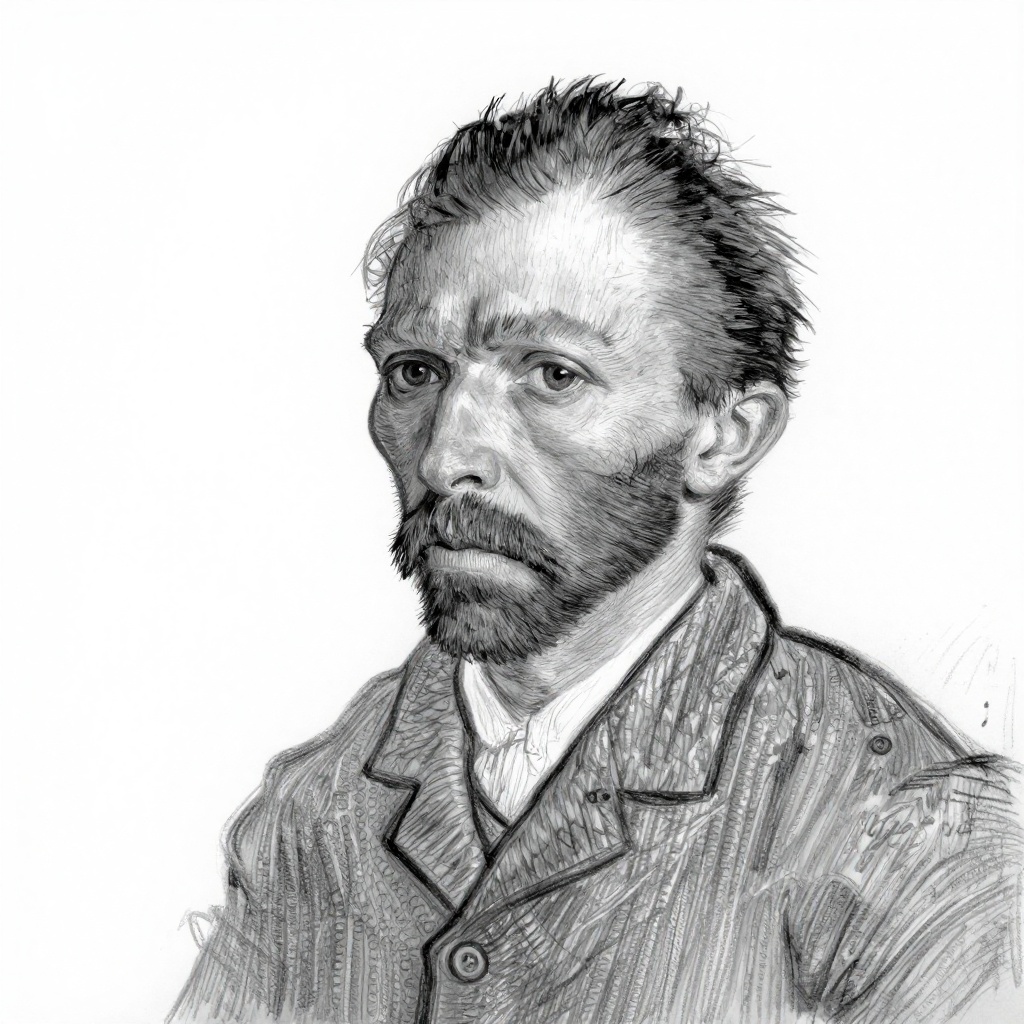
Comments