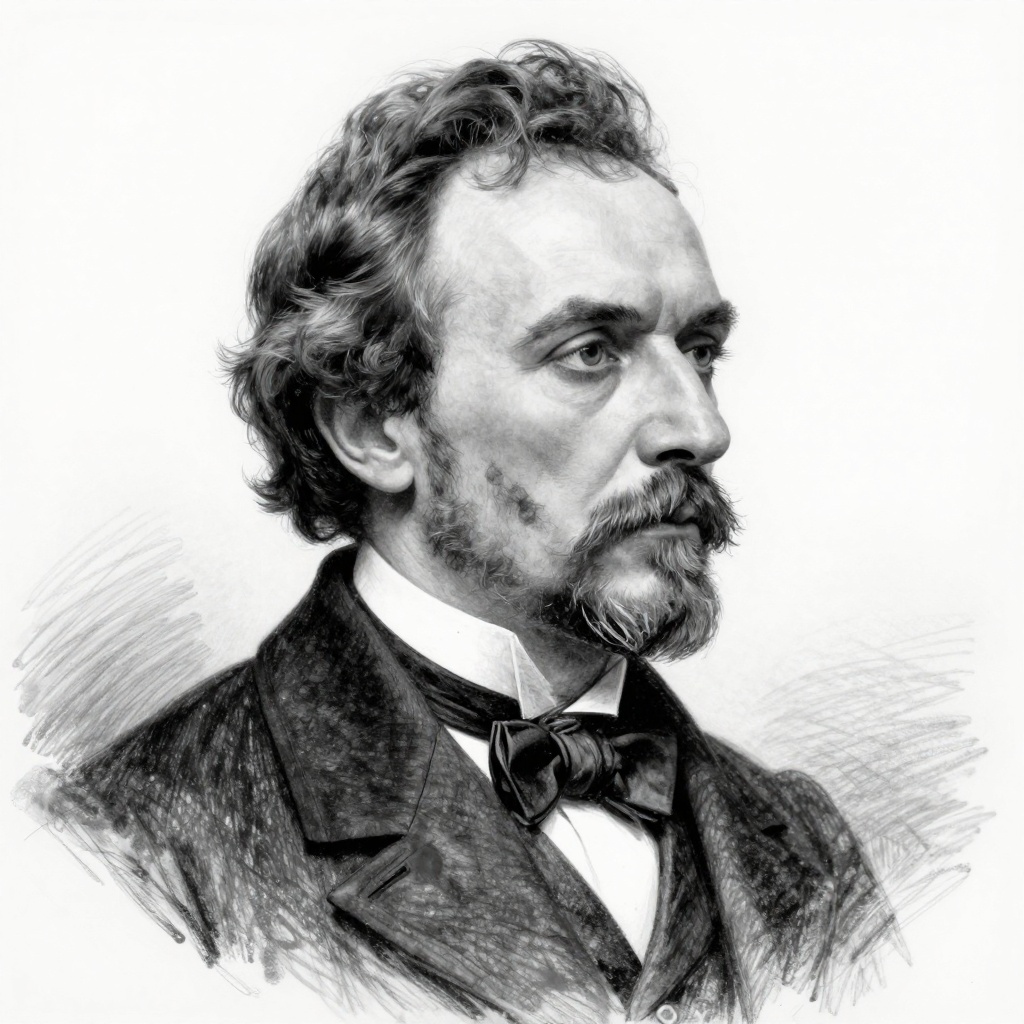
You have enemies? Good. That means you've stood up for something, sometime in your life. — Victor Hugo

You have enemies? Good. That means you've stood up for something, sometime in your life.

Author: Victor Hugo

Insight: Having enemies isn't a failure—it's proof you've actually mattered enough to threaten someone's worldview. That person at work who dislikes you for pushing back on a bad idea? That's not a relationship problem; that's evidence you've got a spine. Comfort is the real enemy of growth.

Source: Les Misérables, 1862

You have enemies? Good. That means you've stood up for something, sometime in your life.

Victor HugoLes Misérables, 1862

Standing for something costs you friendships

Most of us are taught to minimize conflict, to be liked, to smooth things over. We internalize the idea that enemies are failures—signs we did something wrong. But Hugo flips this: he suggests that having enemies might actually be evidence of integrity, proof that you've taken a real position instead of just drifting along.

This matters because it gives permission to stop apologizing for boundaries or beliefs. You don't need unanimous approval to be a good person. In fact, the moments when you've upset someone are often the moments you refused to bend toward what they wanted. That coworker who resents you for pushing back on their bad idea, the family member frustrated by your different life choices, the person who disliked you for saying no—these tensions sometimes signal that you had the backbone to stand for something.

The non-obvious part: this doesn't mean seeking out conflict or being needlessly combative. It means accepting that principled living naturally creates friction. You won't be everyone's favorite person, and that's not a bug—it's sometimes the cost of not being a ghost.

Comments

Sign in to leave a comment or reply to one.

Sign in

Victor Hugo

Victor Hugo was a renowned French novelist, poet, and playwright, widely regarded as one of the greatest Romantic writers of the 19th century. He is best known for his works "Les Misérables" and "The Hunchback of Notre-Dame," which have left a lasting impact on French literature and culture.

Graph