Quote · Added 14 February 2026
To love beauty is to see light.
Victor HugoLes Misérables, The Modern Library, ed. 1862, Volume V, Jean Valjean, Book I, War Between Four Walls, Chapter XX, p. 1040
No ratings yet
Quote · Added 14 February 2026
There's something almost physical about the way beauty stops us mid-stride. You're walking through a familiar neighborhood and suddenly the angle of afternoon light hits a building you've passed a hundred times, and you actually see it. That moment isn't just pleasant—it's a kind of waking up. Hugo's insight captures something real: beauty isn't decoration or luxury. It's a form of attention, maybe even a form of understanding.
When you love beauty, you're training yourself to notice what's actually in front of you instead of sleepwalking through life. That street you know too well, the face you've lived with for years, the ordinary moment—they all contain light if you're looking for it. It changes everything because it means beauty isn't about finding perfect things. It's about finding the light in things, which is always available.
The surprising part? This matters more now than it might have in Hugo's time. We're drowning in curated, artificial beauty on screens, while the real kind—the light in a weathered door, in someone's tired smile, in morning fog—gets easier to miss. Loving beauty becomes a quiet act of resistance. It's choosing to be awake.
1802–1885·lived 83 years
Victor Hugo was a renowned French novelist, poet, and playwright, widely regarded as one of the greatest Romantic writers of the 19th century. He is best known for his works "Les Misérables" and "The Hunchback of Notre-Dame," which have left a lasting impact on French literature and culture.
Also by Victor Hugo
Forty is the old age of youth; fifty the youth of old age.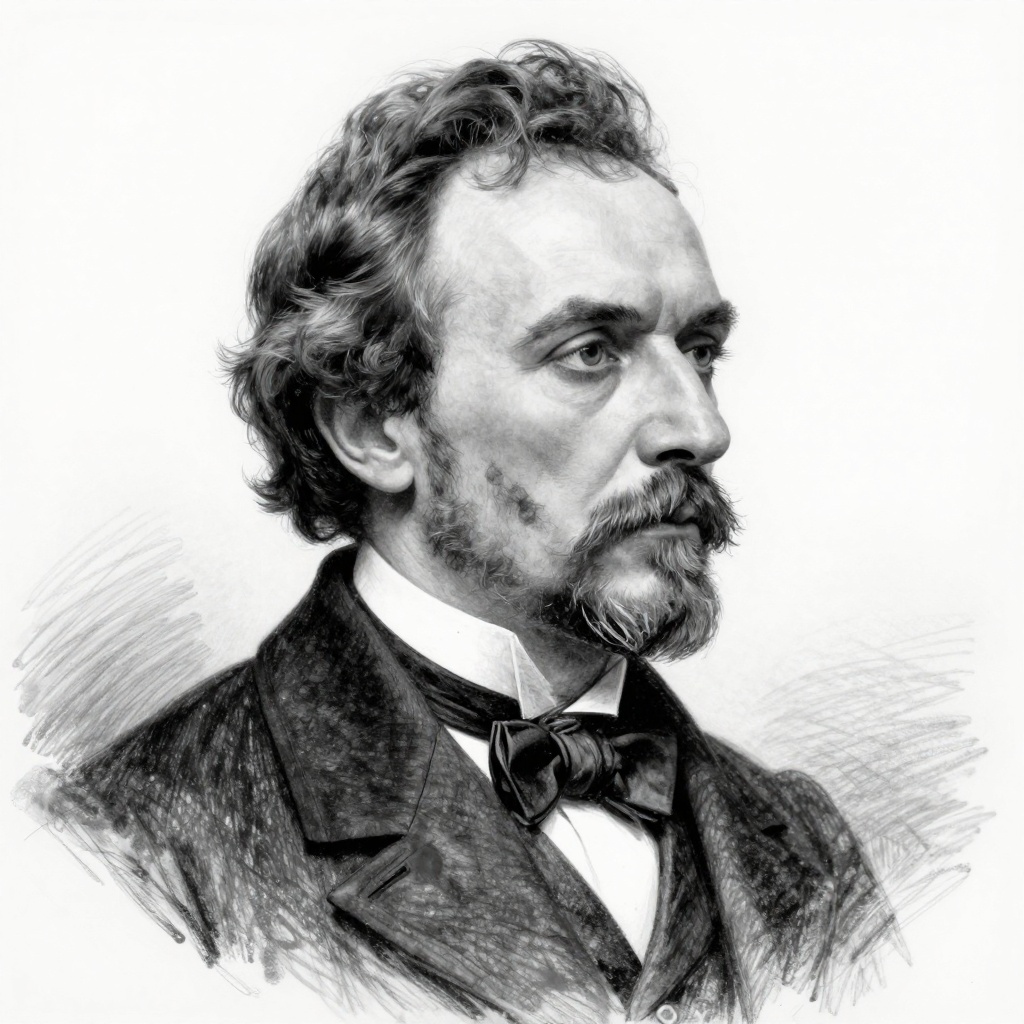
Comments