Quote · Added 14 February 2026
Perseverance, secret of all triumphs.
Victor HugoLes Misérables, p. 123, 1862
No ratings yet
Filed underperseverance·triumph·success
Quote · Added 14 February 2026
Filed underperseverance·triumph·success
We tend to celebrate the dramatic moment—the breakthrough, the victory, the sudden success. But almost nobody gets there without a long middle section that feels invisible and unglamorous. Perseverance is what you do when the outcome isn't yet clear, when you've already tried harder than feels fair, and when quitting would actually be the rational choice. It's the willingness to keep showing up anyway, not because you're certain it will work, but because you've decided the alternative—giving up—is worse.
The tricky part is that perseverance doesn't always feel like it's working. You might practice for months and see no real improvement. You might apply to job after job and get rejections. You might work on a relationship or a skill or a dream without any guarantee it leads anywhere. This is where most people stop, not because they lack talent but because they lack belief that their effort matters. They confuse the absence of immediate proof with proof of futility.
What Hugo understood is that perseverance isn't really about willpower or stubbornness. It's about accepting that meaningful things take time, and that showing up repeatedly—even when you're tired, even when progress is slow—is actually the real work. The triumph isn't magical. It's just what happens on the other side of all that unglamorous persistence.
1802–1885·lived 83 years
Victor Hugo was a renowned French novelist, poet, and playwright, widely regarded as one of the greatest Romantic writers of the 19th century. He is best known for his works "Les Misérables" and "The Hunchback of Notre-Dame," which have left a lasting impact on French literature and culture.
Also by Victor Hugo
Forty is the old age of youth; fifty the youth of old age.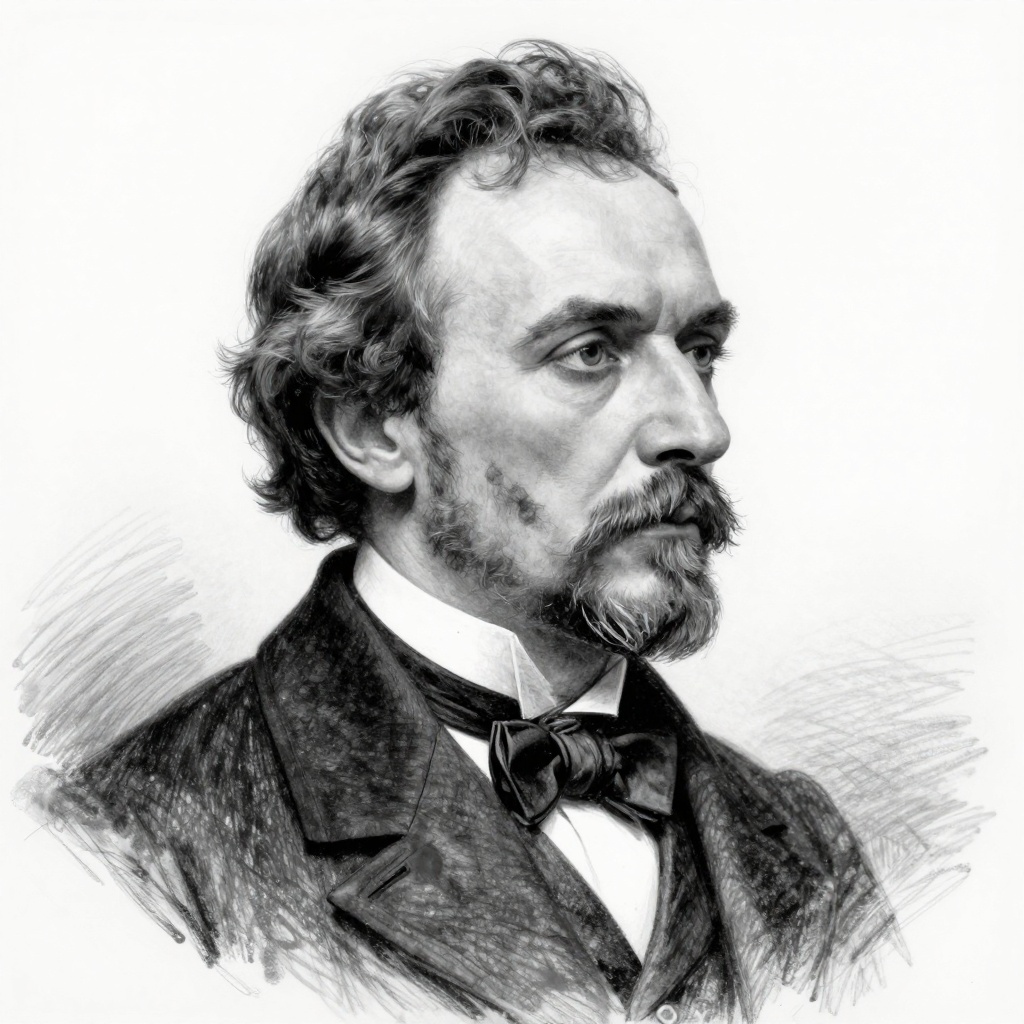
Comments