Quote · Added 1 October 2023
One can resist the invasion of an army, but one cannot resist the invasion of ideas.
Victor HugoThe History of a Crime, ch. 10, Conclusion, 1878
No ratings yet
Filed underideas·resistance·influence
Quote · Added 1 October 2023
Filed underideas·resistance·influence
We tend to think of our beliefs as carefully chosen—things we've reasoned our way to. But if you pay attention to how you actually change your mind, it rarely works that way. An idea slips into a conversation, sits with you for weeks, gets reinforced by something you read or someone you respect mentioning it casually. Before you know it, you're seeing the world differently, and you're not entirely sure how it happened. This is what Hugo meant: ideas are invisible, they travel light, and they don't need your permission to take root.
The tricky part is that this works in all directions. Yes, this explains how societies progress and how rigid thinking loosens—but it also explains how misinformation spreads, how conspiracy theories metastasize, and how we can find ourselves believing things we never consciously decided to believe. An algorithm shows you one angle of a story, a friend shares an article, a meme makes something seem true, and suddenly you're defending a position you didn't know you held.
This doesn't mean we're helpless. It means that defending what you actually believe requires active work—reading widely, questioning where ideas come from, staying curious about why you think what you think. The invasion is happening whether we notice it or not. The question is just whether we're paying attention.
1802–1885·lived 83 years
Victor Hugo was a renowned French novelist, poet, and playwright, widely regarded as one of the greatest Romantic writers of the 19th century. He is best known for his works "Les Misérables" and "The Hunchback of Notre-Dame," which have left a lasting impact on French literature and culture.
Also by Victor Hugo
Forty is the old age of youth; fifty the youth of old age.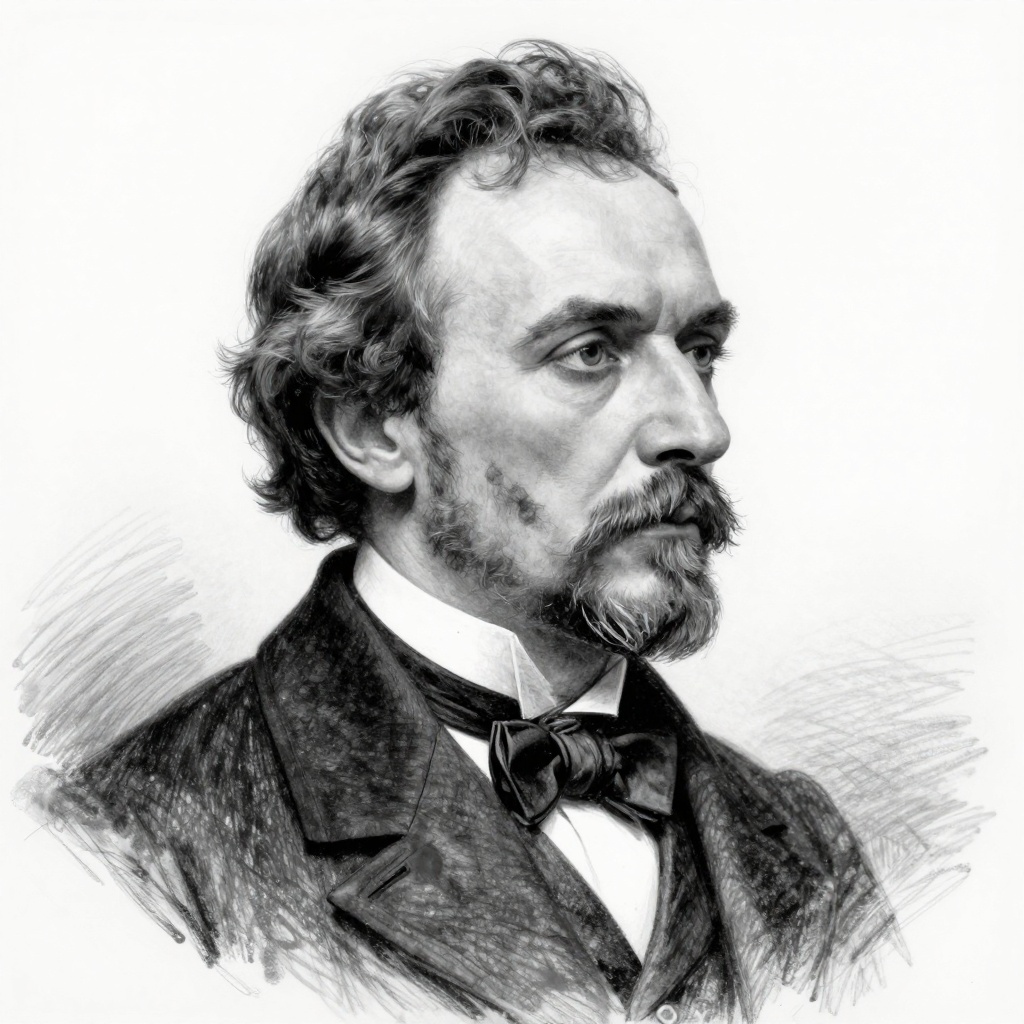
Comments