Quote · Added 14 February 2026
Music expresses that which cannot be said and on which it is impossible to be silent.
Victor HugoLes Misérables, 1862
No ratings yet
Filed undermusic·expression·silence
Quote · Added 14 February 2026
Filed undermusic·expression·silence
There's something we all know but rarely admit: some feelings are too big or too tangled for words. You can describe a breakup or a victory, sure, but you can't quite capture the actual texture of grief or joy—that specific shade that belongs only to your experience. Music seems to slip into that gap. A song can hit you in ways language never could, making you feel understood in moments when you couldn't have explained yourself if you tried.
What's interesting is that Hugo's quote cuts both ways. Yes, music expresses what words can't reach. But it also captures something about necessity—the sense that some truths demand to be felt and shared, even when we lack the vocabulary. We're not choosing to be silent; we can't be. There's something in us that has to come out, and when speech fails, we reach for melody, rhythm, harmony. It's not a limitation of music that it's non-literal. It's actually its superpower.
This matters now because we live in a world obsessed with being articulate, with having the right words for everything. But the most important moments in our lives often can't be spoken—only felt. That's why a song can matter more than a thousand posts, why a single album can define a year. Music gives permission to the parts of us that exist beyond language.
1802–1885·lived 83 years
Victor Hugo was a renowned French novelist, poet, and playwright, widely regarded as one of the greatest Romantic writers of the 19th century. He is best known for his works "Les Misérables" and "The Hunchback of Notre-Dame," which have left a lasting impact on French literature and culture.
Also by Victor Hugo
Forty is the old age of youth; fifty the youth of old age.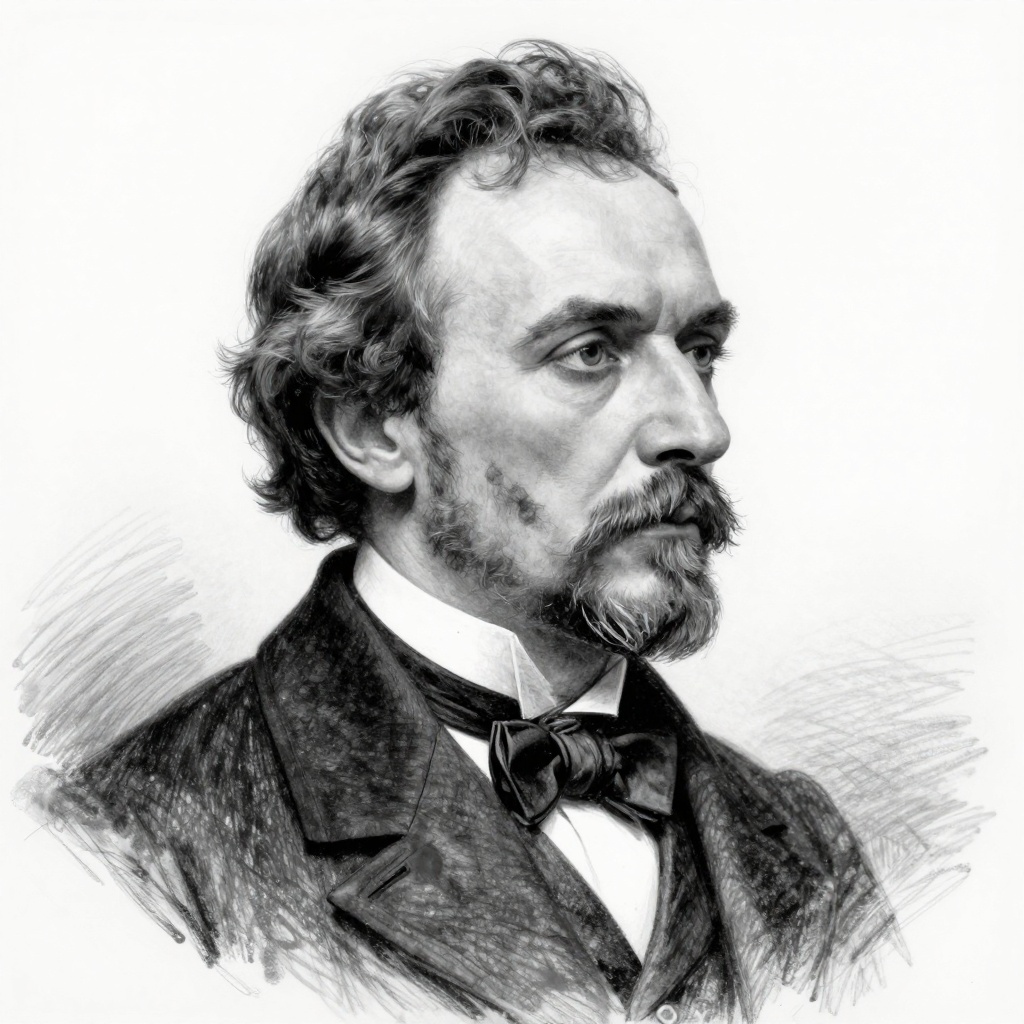
Comments