Quote · Added 14 February 2026
Life is the flower for which love is the honey.
Victor HugoLes Misérables, p. 123, 1862
No ratings yet
Quote · Added 14 February 2026
There's something about the way love sweetens ordinary moments that this captures perfectly. A life can look fine on the surface—good job, interesting friends, things to do—but without someone or something to care deeply about, it feels thin. Love is what transforms a decent existence into something that actually tastes good, that makes you want to be awake for it. It's not just the big romantic gestures either. It's the small stuff: the way a friend remembers how you take your coffee, how a parent shows up for you without needing to be asked, how your kid laughs at your terrible jokes.
The unexpected part is that this works in reverse too. Love needs life to be real. The honeybee doesn't work without flowers. So when we obsess over finding "the one" or the perfect relationship to complete us, we sometimes miss how much fuller love becomes when we're actually living—doing things, learning, failing, building something of our own. The people worth having in our life are usually attracted to someone who has a life worth being part of. It's not sacrifice versus ambition or love versus independence. It's recognizing that both are necessary, and that love is at its sweetest when it deepens an already blooming existence.
1802–1885·lived 83 years
Victor Hugo was a renowned French novelist, poet, and playwright, widely regarded as one of the greatest Romantic writers of the 19th century. He is best known for his works "Les Misérables" and "The Hunchback of Notre-Dame," which have left a lasting impact on French literature and culture.
Also by Victor Hugo
Forty is the old age of youth; fifty the youth of old age.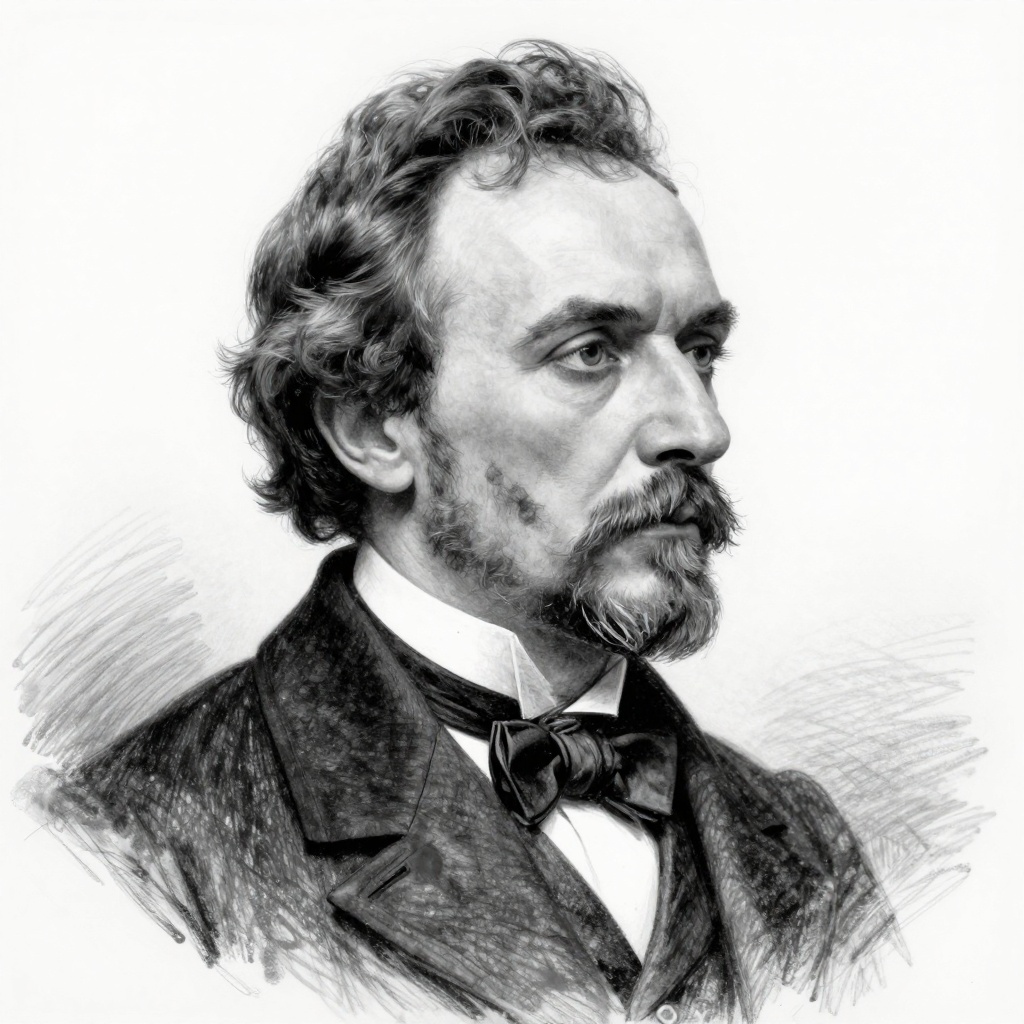
Comments