Quote · Added 23 December 2023
It is nothing to die. It is frightful not to live.
Victor HugoLes Misérables, 1862
No ratings yet
Quote · Added 23 December 2023
Most of us think death is the scariest thing—that final, irreversible end. But Hugo flips the script entirely. He's pointing at something we actually experience all the time: the slow erosion of being alive while you're still breathing. That hollow feeling of going through the motions, playing it safe, letting fear make your decisions for you. That's the real tragedy.
We see this everywhere now. People staying in jobs that drain them because leaving feels riskier than the daily unhappiness. Avoiding conversations that matter because confrontation is uncomfortable. Scrolling instead of creating, watching instead of doing, waiting for the "right time" that never comes. Death is one event. This kind of non-living happens in a thousand small surrenders.
The weird part? Once you actually start living—pursuing something that matters, saying the difficult thing, taking the leap—dying becomes oddly less terrifying. It's like Hugo's saying that a life fully lived makes peace with its own ending, while a half-lived life can never stop panicking about it. The fear of death often masks a deeper fear: that we'll reach the end and realize we never really showed up for our own existence.
1802–1885·lived 83 years
Victor Hugo was a renowned French novelist, poet, and playwright, widely regarded as one of the greatest Romantic writers of the 19th century. He is best known for his works "Les Misérables" and "The Hunchback of Notre-Dame," which have left a lasting impact on French literature and culture.
Also by Victor Hugo
Forty is the old age of youth; fifty the youth of old age.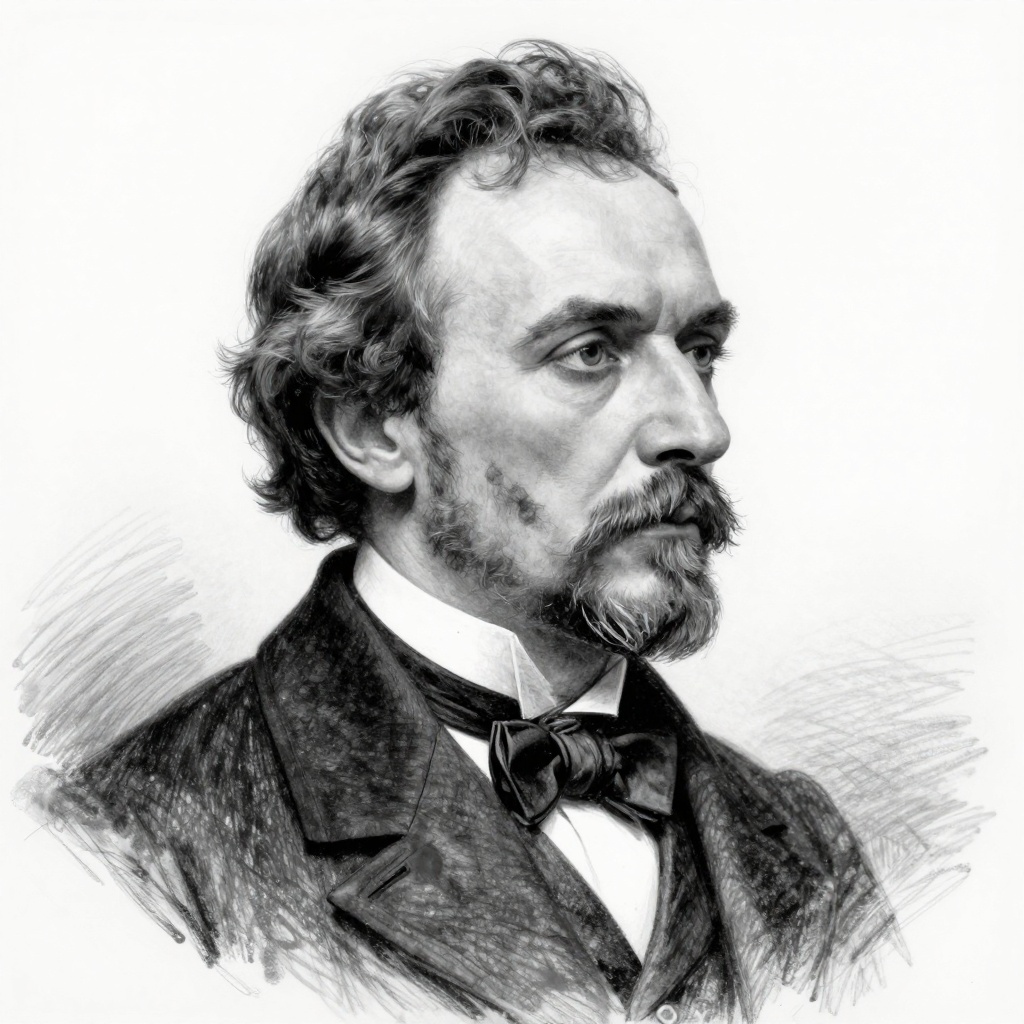
Comments