Quote · Added 14 February 2026
Intelligence is the wife, imagination is the mistress, memory is the servant.
Victor HugoLes Misérables, p. 123, 1862
No ratings yet
Filed underintelligence·imagination·memory
Quote · Added 14 February 2026
Filed underintelligence·imagination·memory
We tend to treat intelligence like it's the whole show—the thing that gets us hired, passes the test, wins the argument. But this comparison suggests something counterintuitive: intelligence alone is dutiful and reliable, but it's also confined. It's the partner you depend on for stability, for keeping the household running.
Imagination, by contrast, is the spark that shouldn't be entirely respectable or predictable. It's what lets you see problems sideways, dream up solutions that logic never would have generated, make unexpected connections. The mistress metaphor isn't cynical—it's acknowledging that imagination works differently than intelligence, and that's precisely what makes it necessary. Without it, you're just executing the same patterns over and over.
The real insight here is about memory as the servant. We often see memory as something passive, a storage system. But Hugo's framing suggests it should be useful—pulled from only when needed, organized for a purpose. You don't want memory running your life (that's anxiety and rumination). Instead, you want intelligence for direction, imagination for possibility, and memory for practical knowledge when called upon. Most of us overload memory and underuse imagination, which is probably backwards.
1802–1885·lived 83 years
Victor Hugo was a renowned French novelist, poet, and playwright, widely regarded as one of the greatest Romantic writers of the 19th century. He is best known for his works "Les Misérables" and "The Hunchback of Notre-Dame," which have left a lasting impact on French literature and culture.
Also by Victor Hugo
Forty is the old age of youth; fifty the youth of old age.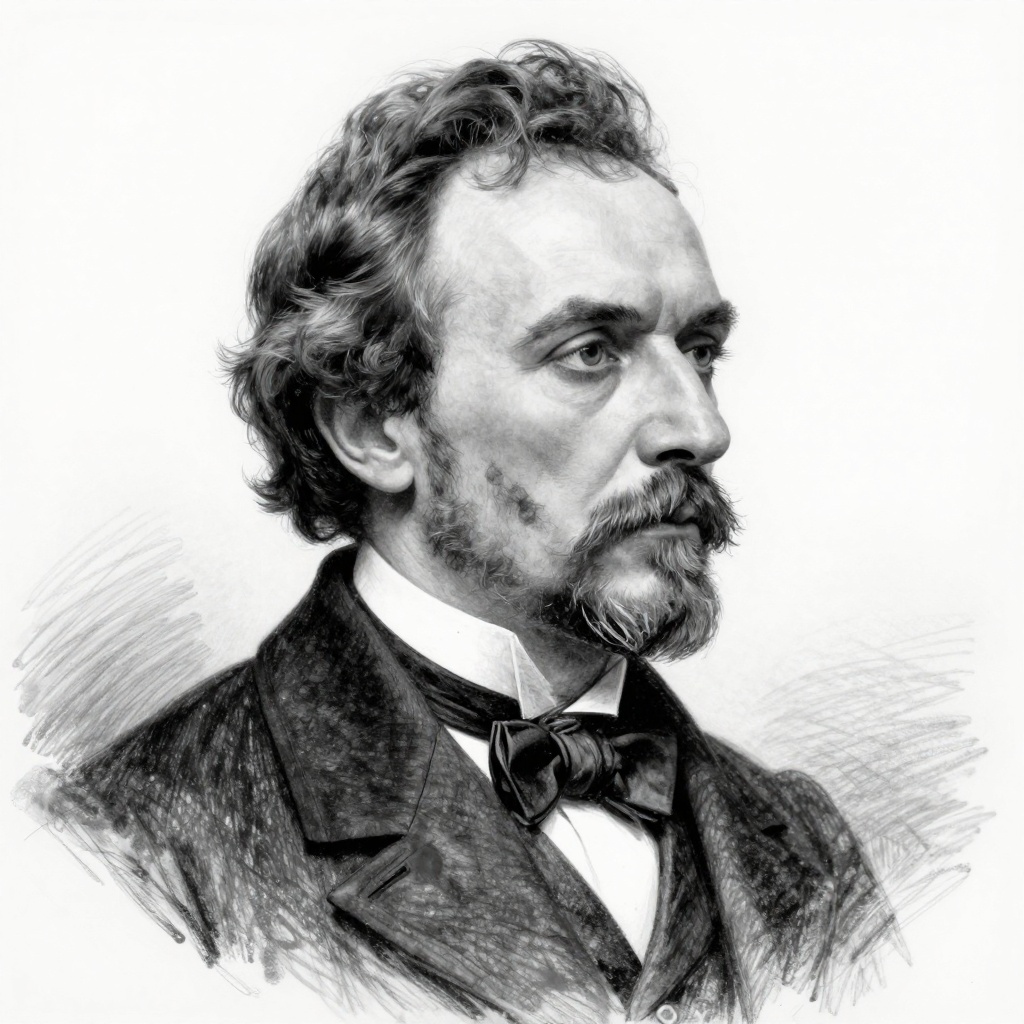
Comments