Quote · Added 14 February 2026
He who opens a school door, closes a prison.
Victor HugoLes Misérables, 1862
No ratings yet
Quote · Added 14 February 2026
Education isn't just about getting good grades or landing a job—it's about gaining the kind of freedom that comes from understanding how the world actually works. When you know how to read, think critically, and solve problems, you're no longer trapped by someone else's version of reality. You can question things. You can make choices. You're genuinely free in a way that goes deeper than just physical liberty.
Hugo's insight still rings true today, maybe even more urgently. We see it in communities where schools are under-resourced and crime rates climb. We see it in adults who feel stuck because they never got decent education—not because they're incapable, but because the door was never really opened for them. The reverse is equally real: people who had access to learning early on tend to have more options, more agency, more paths forward.
But here's the less obvious part: this works individually too. Every time you learn something genuine—whether that's a new skill, a historical truth you didn't know, or how to think through a complex problem—you're literally expanding the space in which you can move. You're closing off fewer options, narrowing your life less. Education is the antidote to feeling boxed in, whether that box is societal, financial, or just the prison of your own limited perspective.
1802–1885·lived 83 years
Victor Hugo was a renowned French novelist, poet, and playwright, widely regarded as one of the greatest Romantic writers of the 19th century. He is best known for his works "Les Misérables" and "The Hunchback of Notre-Dame," which have left a lasting impact on French literature and culture.
Also by Victor Hugo
Forty is the old age of youth; fifty the youth of old age.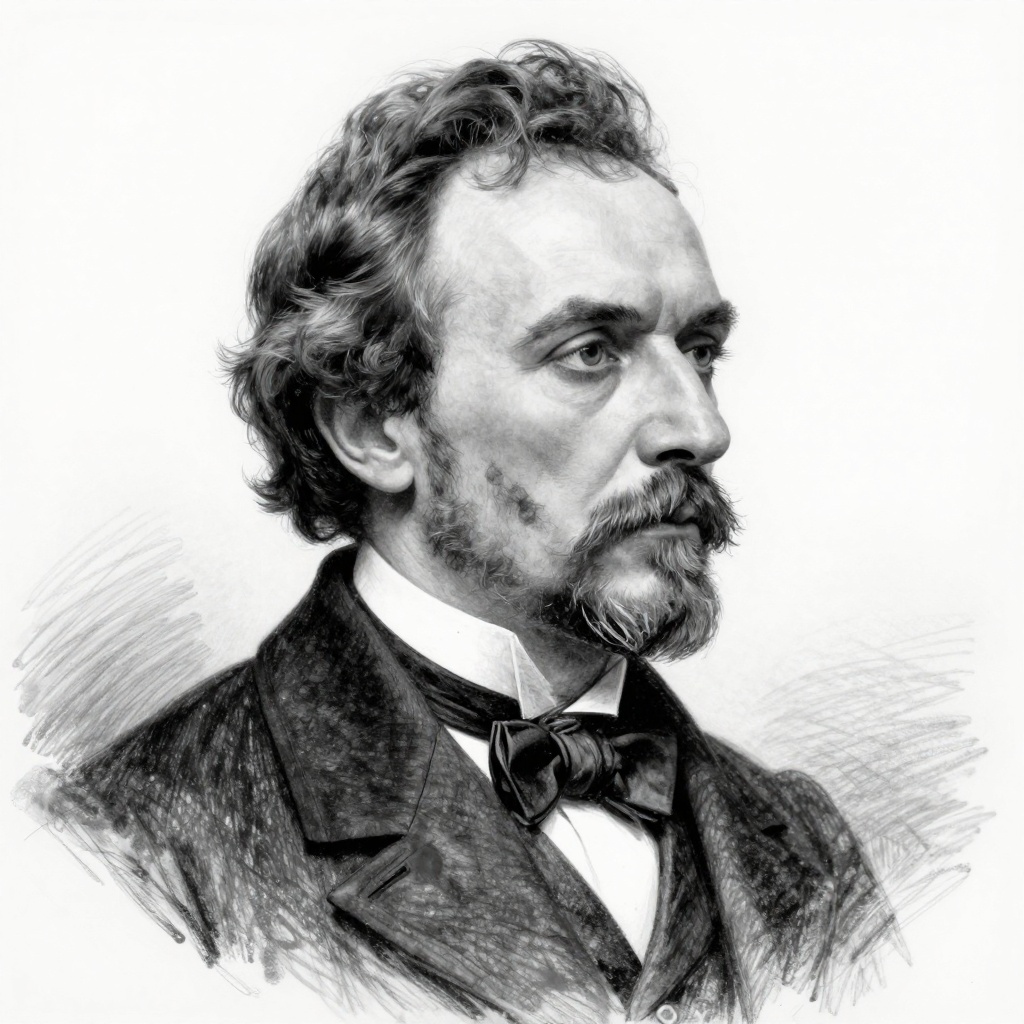
Comments