Quote · Added 4 January 2024
He who does not weep does not see.
Victor HugoLes Misérables, 1862
No ratings yet
Filed undertears·perception·emotion
Quote · Added 4 January 2024
Filed undertears·perception·emotion
There's something radical about this line from Hugo. It's not saying you need to be sad or emotional to understand the world—it's saying that numbness and sight cannot coexist. When we stop feeling, we stop perceiving. We move through life like we're scrolling past it.
We see this all the time. Someone gets bad news about a friend's struggle but doesn't let themselves feel the weight of it, so they miss the actual moment to show up meaningfully. A parent watches their kid's disappointment but pushes past their own discomfort with sadness, so they don't really see what their child needs. We tell ourselves we're being practical or tough, but what we're actually doing is going blind.
The counterintuitive part: this isn't a call to wallow or spiral into grief. It's about permission. When you allow yourself to feel something—even briefly, even quietly—your perception sharpens. You notice details you'd otherwise skip. You understand what matters. In a world built on distraction and emotional efficiency, Hugo is reminding us that feeling and truly seeing are inseparable. You can't have one without the other.
1802–1885·lived 83 years
Victor Hugo was a renowned French novelist, poet, and playwright, widely regarded as one of the greatest Romantic writers of the 19th century. He is best known for his works "Les Misérables" and "The Hunchback of Notre-Dame," which have left a lasting impact on French literature and culture.
Also by Victor Hugo
Forty is the old age of youth; fifty the youth of old age.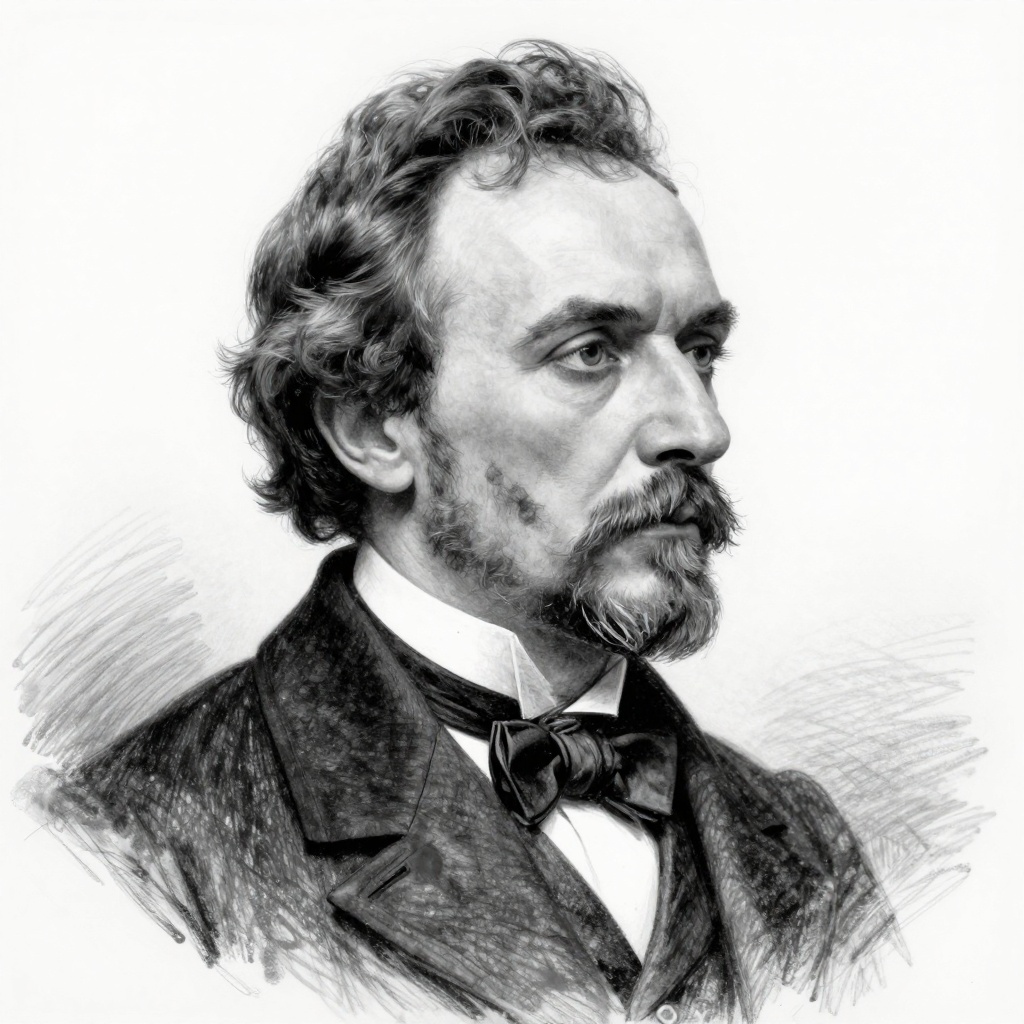
Comments