Quote · Added 1 October 2023
Even the darkest night will end and the sun will rise.
Victor HugoLes Misérables, 1862
No ratings yet
Filed undernight·hope·resilience
Quote · Added 1 October 2023
Filed undernight·hope·resilience
There's something almost defiant about this promise. Not because it's false—we know the sun does rise—but because it cuts through the most insidious lie despair whispers: that things won't change, that you'll feel this way forever. We live in a culture obsessed with solutions, with doing something to fix the problem. But sometimes the deepest work is just enduring, letting time work on us the way it works on all things.
What makes this quote stick isn't just its optimism. It's the reminder that some changes happen whether we earn them or not. The night doesn't end because you struggled hard enough or thought positive enough; it ends because that's how reality is structured. Your job isn't to manufacture the sunrise—it's to stay awake for it. That might sound passive, but it's actually radical in a world that tells you to hustle your way out of every difficulty, to outthink or outwork your pain.
The real texture of this quote lives in the gap between knowing something intellectually and feeling it in your body at 3 a.m. when sleep won't come. It's not a cure. It's a companion for the people still in the dark, a quiet insistence that the dark is temporary, and that showing up tomorrow matters even if you can't see why yet.
1802–1885·lived 83 years
Victor Hugo was a renowned French novelist, poet, and playwright, widely regarded as one of the greatest Romantic writers of the 19th century. He is best known for his works "Les Misérables" and "The Hunchback of Notre-Dame," which have left a lasting impact on French literature and culture.
Also by Victor Hugo
Forty is the old age of youth; fifty the youth of old age.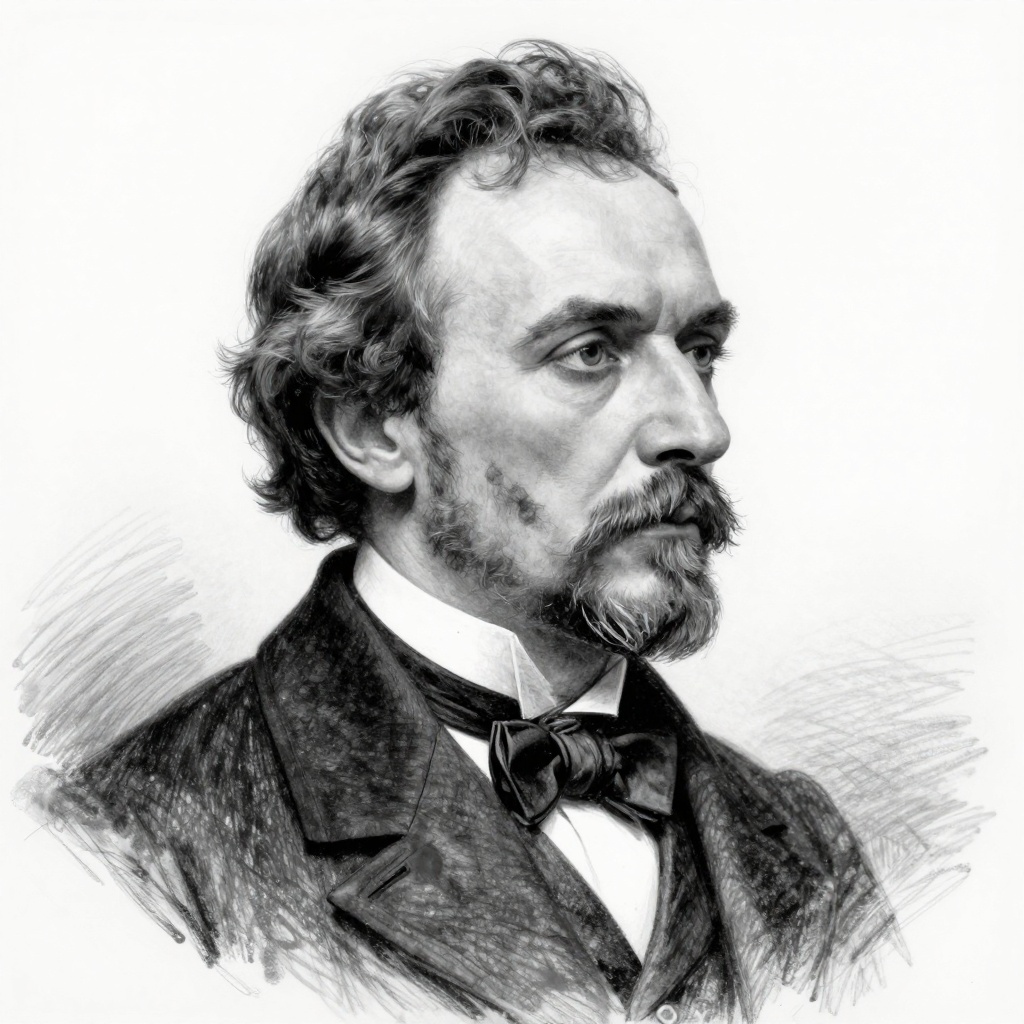
Comments