Quote · Added 14 February 2026
I am faithfully devoted to the Republic but will not serve it at the expense of my conscience and my honor.
No ratings yet
Filed underrepublic·honor·conscience
Quote · Added 14 February 2026
Filed underrepublic·honor·conscience
There's a particular kind of courage in saying no to the thing you love most. Louverture's words capture something we rarely talk about: that real loyalty isn't blind obedience. It's the willingness to disappoint the people and systems you care about when they ask you to become someone you're not. We see this tension everywhere now—the employee who won't lie to protect the company's reputation, the activist who refuses to use tactics that violate their principles even for a just cause, the person who stays true to their values when the group demands conformity.
What makes this complicated is that conscience and duty genuinely conflict sometimes. It's easy to sacrifice principle for comfort; it's also easy to abandon responsibility and call it integrity. But Louverture points to something harder: holding both at once. You can be devoted to something larger than yourself and still draw a line. You can serve without surrendering your core.
The quiet power here is that this stance doesn't weaken institutions—it strengthens them. The person willing to walk away over matters of honor becomes someone worth trusting. They're not in it for approval or survival alone. In a world where everyone's watching for who'll crack under pressure, that kind of steadiness becomes surprisingly rare and genuinely valuable.
1743–1803·lived 59 years
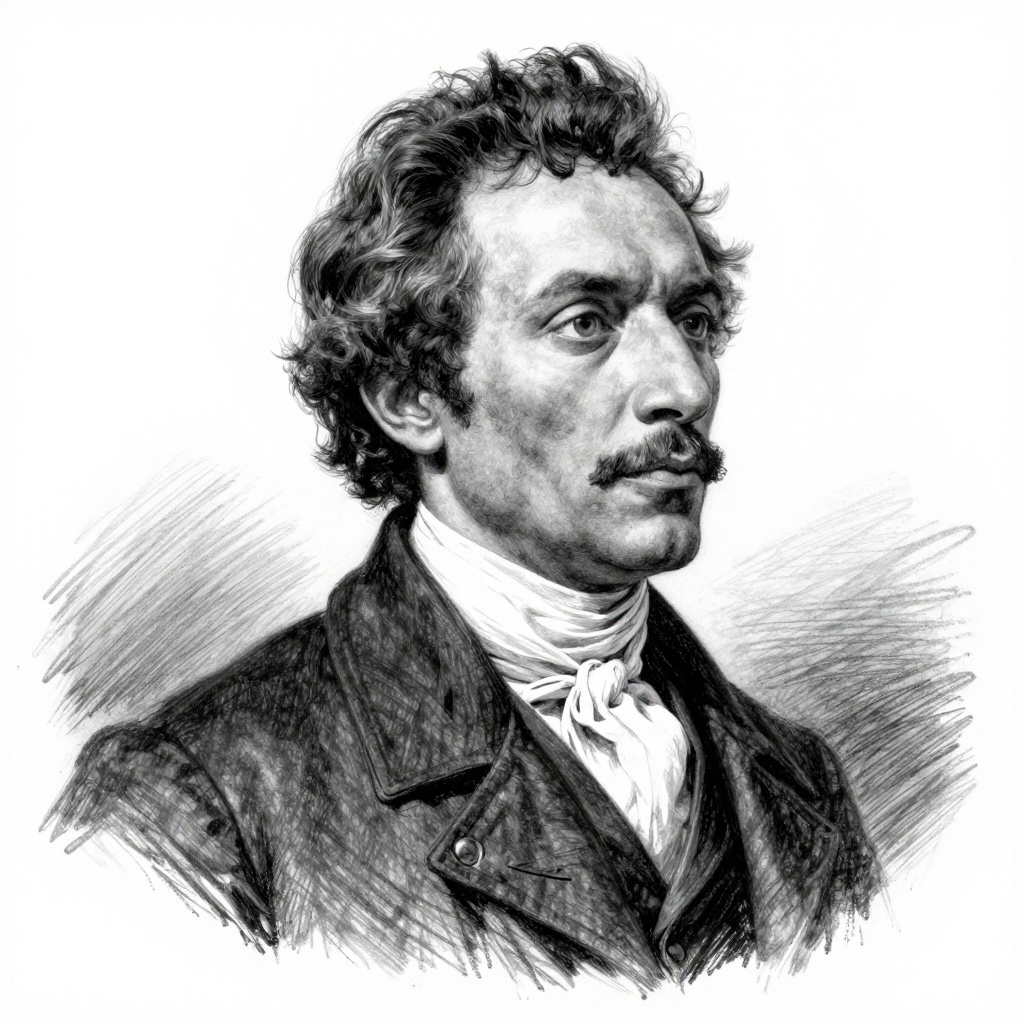
Toussaint Louverture was a prominent leader of the Haitian Revolution, born in 1743 in what is now Haiti. He was a former enslaved person who became a skilled military strategist and played a critical role in the fight against French colonial rule, ultimately leading to the establishment of Haiti as the first independent black-led nation in 1804. Louverture is known for his efforts to abolish slavery and for his visionary leadership in the pursuit of liberty and social justice.
Comments