Quote · Added 14 February 2026
Words are the money of fools.
Filed underwords·foolishness·value
Quote · Added 14 February 2026
Filed underwords·foolishness·value
There's a sting in this observation that feels more true now than when Hobbes wrote it centuries ago. In his time, he was warning against empty rhetoric and flowery speech disconnected from real action or thought. But today we're drowning in words—tweets, think pieces, hot takes, endless commentary—and most of it trades in the same hollow currency he was critiquing. We mistake having opinions for having understanding. We confuse speaking confidently with knowing something.
The real insight isn't that words are worthless. It's that they're dangerously easy to spend without getting anything in return. A fool thinks that saying the right thing, or saying it loudly enough, accomplishes something. They collect words like coins and wonder why they're still poor. But someone wise knows that words only matter when they're backed by something real—observation, experience, willingness to listen, or the actual work of doing something difficult.
This hits differently when you notice it in yourself. How often do you talk about what you should do rather than do it? How many conversations do you have where everyone's just performing competence rather than actually thinking together? Hobbes was making a simple point: if that's all you're trading in, you're broke.
1588–1679·lived 91 years
Thomas Hobbes (1588-1679) was an English philosopher known for his political and moral philosophy. He is best known for his work "Leviathan," where he argued for the necessity of a strong central authority to maintain social order and prevent the chaos of a "state of nature."
Also by Thomas Hobbes
Hell is truth seen too late.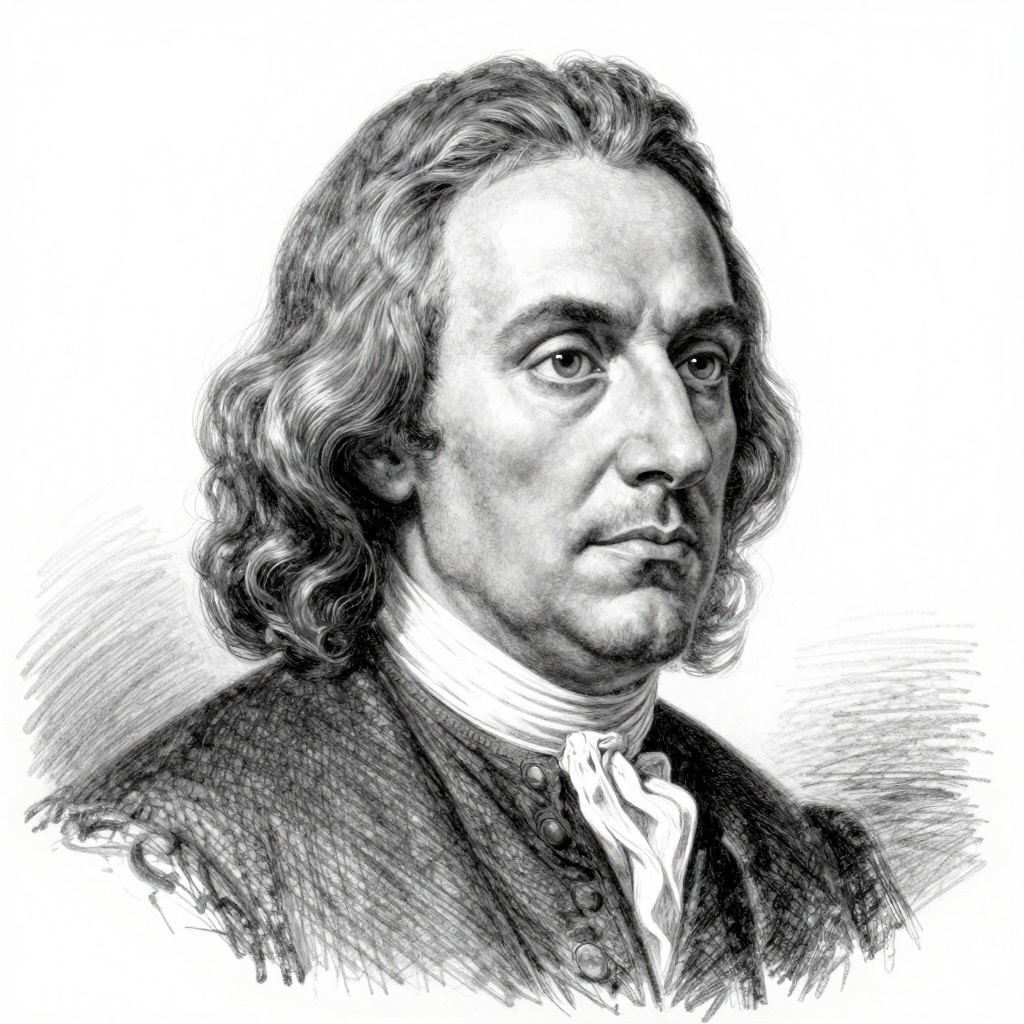
Comments