Quote · Added 14 February 2026
Poetry is thoughts that breathe, and words that burn.
Thomas GrayThe Progress of Poesy: A Pindaric Ode, 1757
Filed underpoetry·expression·passion
Quote · Added 14 February 2026
Filed underpoetry·expression·passion
When you read something that truly hits you—a line that makes you pause, reread it, then sit with it for a while—you're experiencing exactly what Gray meant. Poetry isn't just clever word arrangement or flowery language. It's thinking made alive, moving through you like breath moves through lungs. The best poems feel like they're actually thinking with you, not at you, which is why they stick around while so much else we read disappears.
The "words that burn" part captures something we rarely talk about: language can have temperature and urgency. Most of what we encounter is lukewarm—efficient, informative, forgettable. But certain combinations of words carry real heat. They don't just sit on the page; they demand something from you. Maybe it's recognition, or discomfort, or joy. This is why you can hear a poem once and never quite shake it, while you might forget an article five minutes after finishing it.
The tricky part is that poetry isn't some separate category reserved for published books. Those moments when someone says exactly the right thing at exactly the right time, or when you finally find words for something you've felt but never articulated—that's poetry too. It's breathing, burning thought. Gray reminds us that this intensity of language isn't rare or impossible. We just have to pay attention when it arrives.
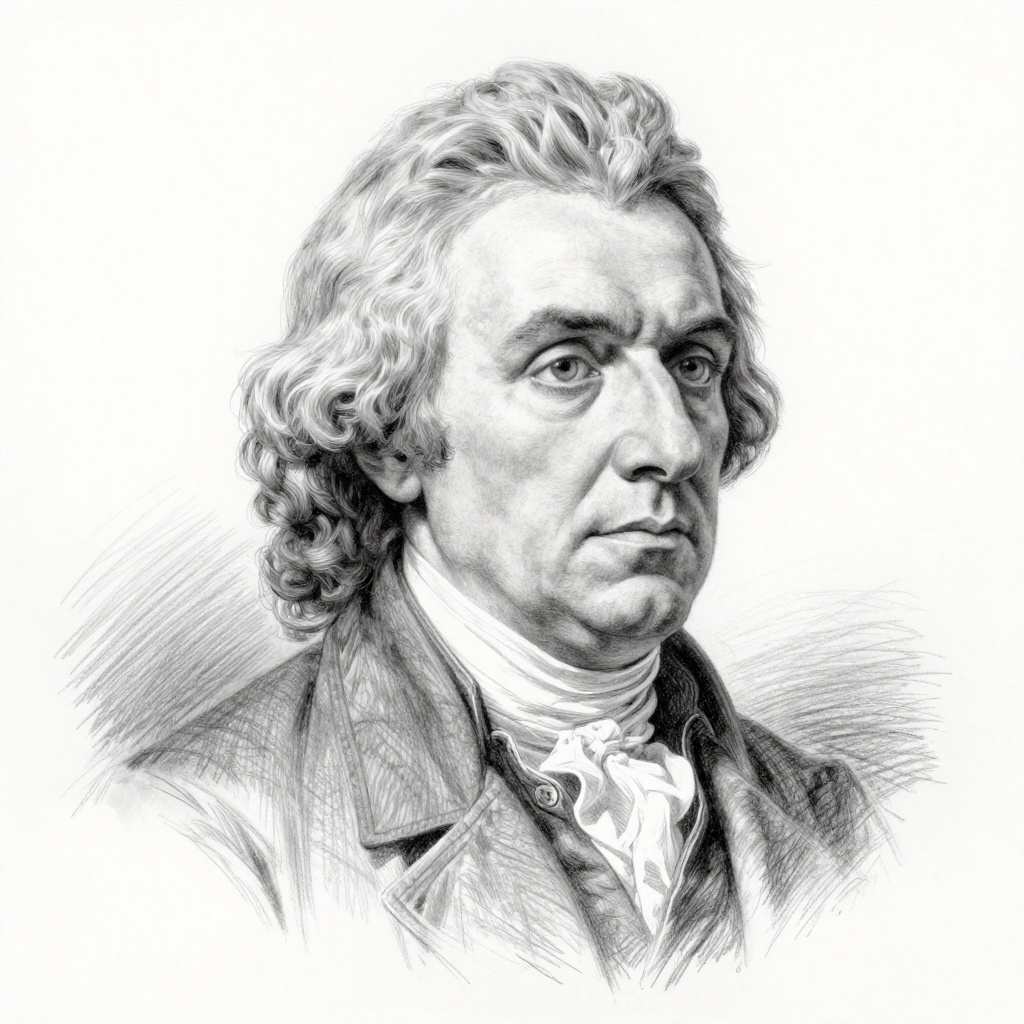
1716–1771·lived 54 years
Thomas Gray was an 18th-century English poet and scholar, best known for his lyrical poem "Elegy Written in a Country Churchyard." Born on December 26, 1716, in London, he was educated at Eton College and Cambridge University, where he became a professor of history and modern literature. Gray's work is celebrated for its emotional depth and mastery of form, making him a significant figure in English literature.
Comments