Quote · Added 14 February 2026
If you command wisely, you'll be obeyed cheerfully.
Thomas FullerWorthies of England, 1662
Quote · Added 14 February 2026
There's a difference between the power to make someone do something and the power to make them want to do it. The first comes from fear or obligation. The second—the kind Fuller points to—comes from respect and clarity. When someone actually understands why they're being asked to do something, and they believe the person asking has thought it through, compliance stops feeling like submission and starts feeling like collaboration.
This matters everywhere: in workplaces where managers wonder why people seem checked out despite following orders, in families where kids resist even reasonable requests, in friendships where one person feels like they're constantly managing the other. The person in charge often thinks obedience is the goal. But cheerful obedience—the kind that comes with energy and commitment rather than resentment—requires something harder: the willingness to explain, to listen, to make your reasoning visible. It means treating the people you're directing as thinking beings rather than obstacles to move around.
The counterintuitive part is that this approach actually requires more discipline from the leader, not less. It's easier to bark orders than to think clearly enough to explain them.
1610–1661·lived 50 years
Thomas Fuller was a 17th-century English churchman and historian known for his witty and insightful writings. He is most recognized for his major work, the "History of the Worthies of England," which provides biographical sketches of notable figures throughout English history.
Also by Thomas Fuller
One that would have the fruit must climb the tree.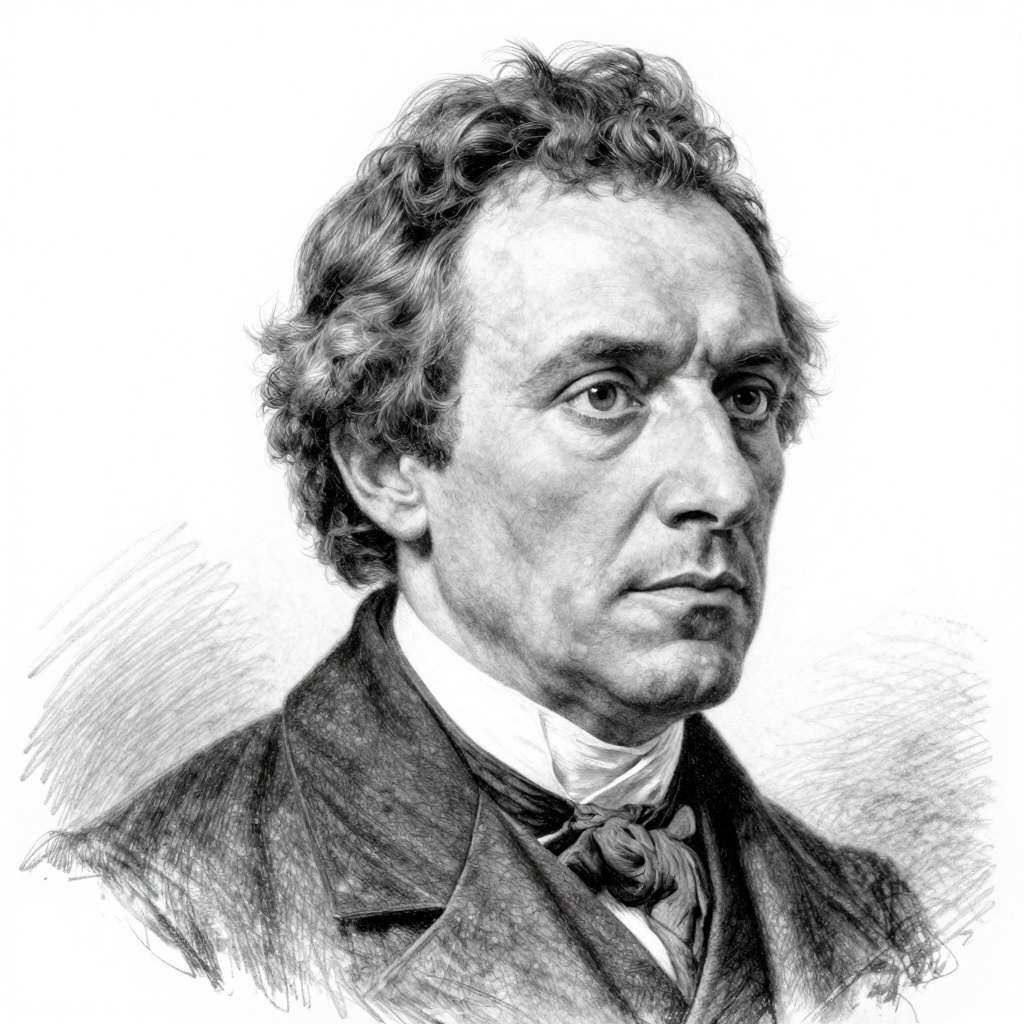
Comments