Quote · Added 14 February 2026
He that cannot forgive others breaks the bridge over which he must pass himself; for every man has need to be forgiven.
Thomas FullerThe Holy State, 1642
Filed underforgiveness·humility·connection
Quote · Added 14 February 2026
Filed underforgiveness·humility·connection
We live as if forgiveness is a favor we do for someone else, when really it's infrastructure we're building for ourselves. Every time you hold a grudge, you're not punishing the other person—you're just making it harder for yourself to move forward. You become the one stuck replaying the hurt, rehearsing the argument, waiting for an apology that might never come.
The harder part is recognizing that you're going to need that same bridge someday. You'll make a mistake you can't undo, say something you regret, let someone down when they counted on you. In those moments, you'll desperately want people to see past what you did to who you actually are. But if you've spent years refusing to do that for others, you've signaled that this isn't how your world works. You've made forgiveness conditional on perfect behavior, which no one can maintain.
This isn't about being soft or letting people off the hook. It's about understanding that holding onto anger is like refusing to repair a road because someone else damaged it. The person who suffers most is the one trying to cross.
1610–1661·lived 50 years
Thomas Fuller was a 17th-century English churchman and historian known for his witty and insightful writings. He is most recognized for his major work, the "History of the Worthies of England," which provides biographical sketches of notable figures throughout English history.
Also by Thomas Fuller
One that would have the fruit must climb the tree.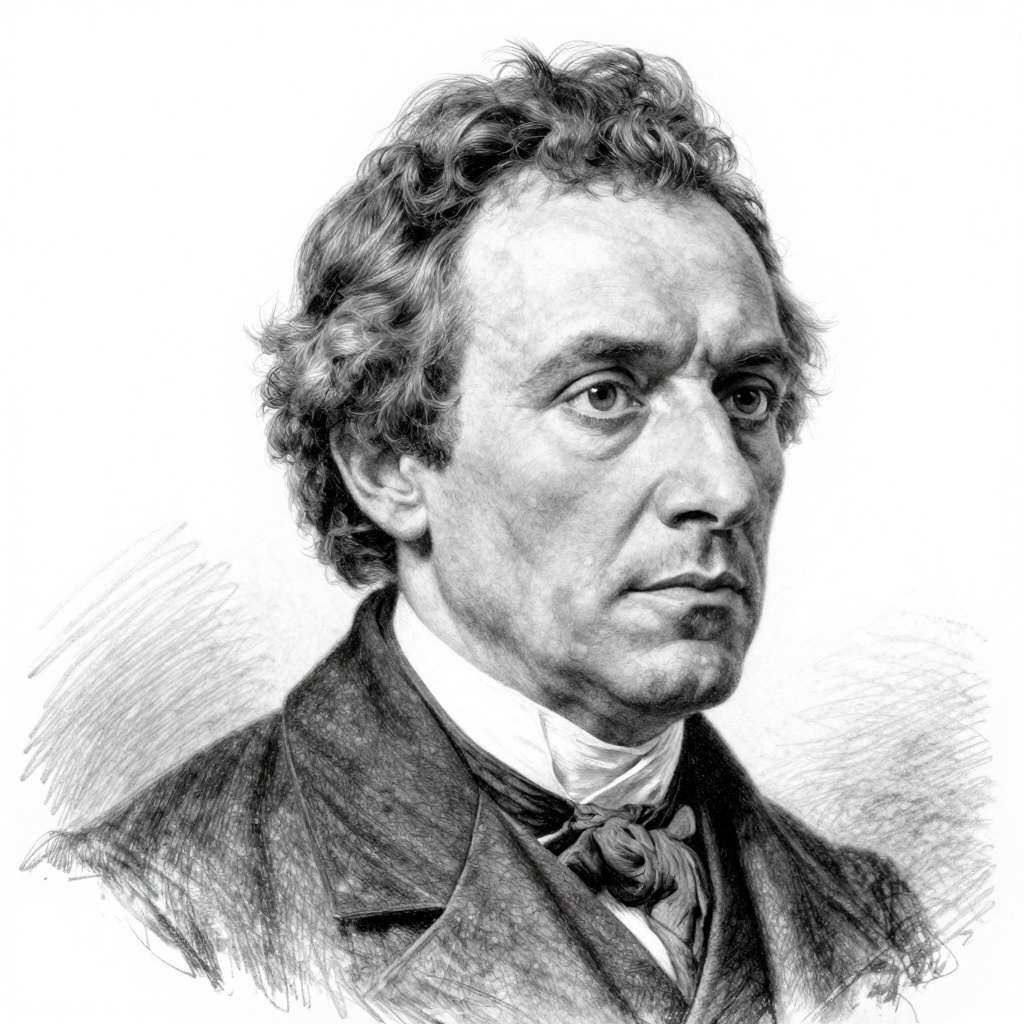
Comments