Quote · Added 14 February 2026
In the New Testament, religion is grace and ethics is gratitude.
Thomas ErskineThe Cross of Christ, BiblicalStudies.org.uk
Quote · Added 14 February 2026
There's something quietly radical about this way of slicing up religious life. It suggests that if you want to understand what Christianity actually proposes, you need to separate two things we usually tangle together: the vertical relationship with God, and the horizontal way you treat people. One is fundamentally about receiving something you didn't earn. The other is fundamentally about saying thank you through action.
Most of us experience this tension without naming it. We meet people who seem deeply spiritual but treat others poorly, or people who are genuinely kind without much religious conviction. The quote cuts through that confusion. Religion as grace means you're not trying to earn divine approval through effort or purity—it's already offered. Ethics as gratitude means your actions toward others aren't about scoring points or following rules, but about responding to something you've already been given. You're not good because you have to be. You're good because you've recognized you've received something for free.
The non-obvious part: this makes ethics actually harder, not easier. Rules are simpler than gratitude. Gratitude requires you to genuinely feel the weight of what's been given, to understand your own neediness. It asks you to live out of abundance rather than obligation, which is actually a much more demanding place to operate from.
d. 1823
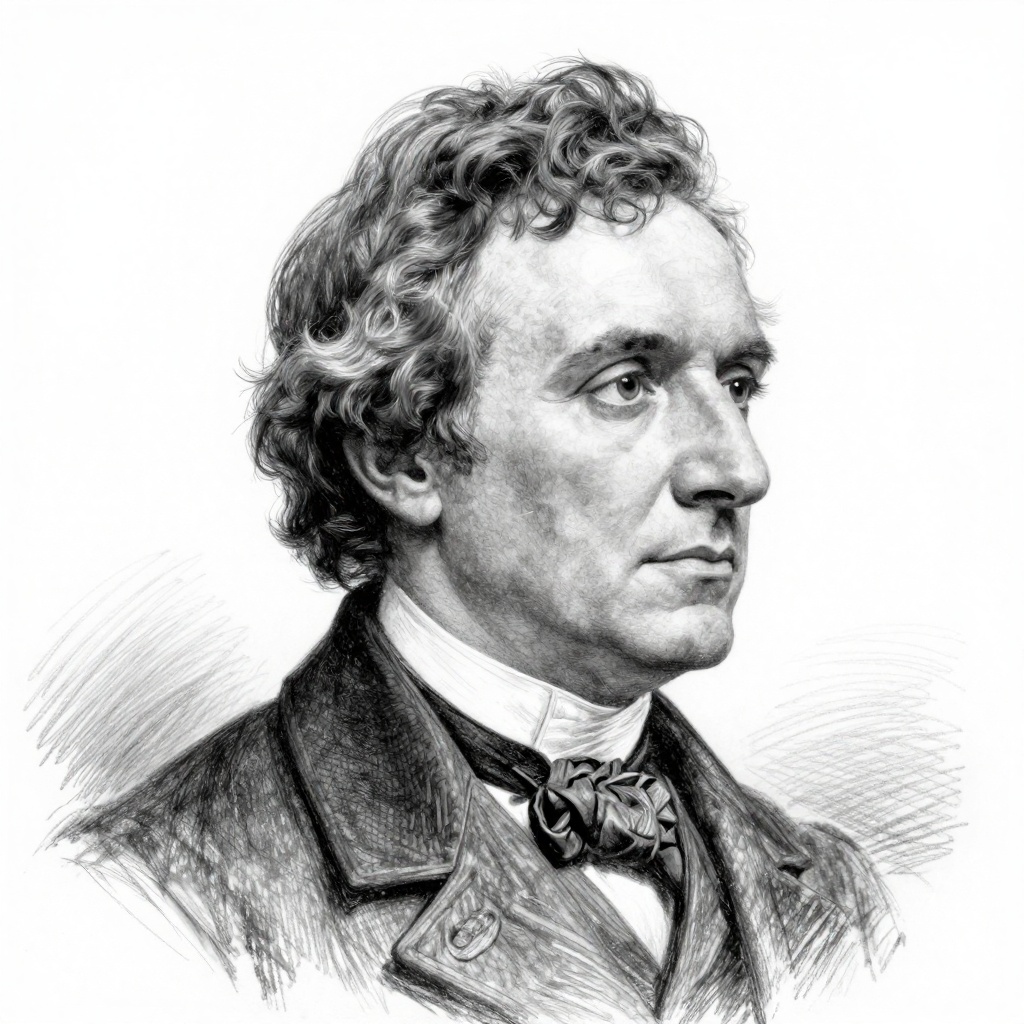
Thomas Erskine (1750-1823) was a prominent British lawyer and politician known for his advocacy in criminal law and his defense of civil liberties. He served as a Member of Parliament and is best remembered for his eloquent courtroom speeches and defense of controversial figures, including prominent radicals and political dissidents during a time of significant social and political upheaval in Britain. Erskine's legal reforms and commitment to justice have left a lasting impact on the British legal system.
Comments