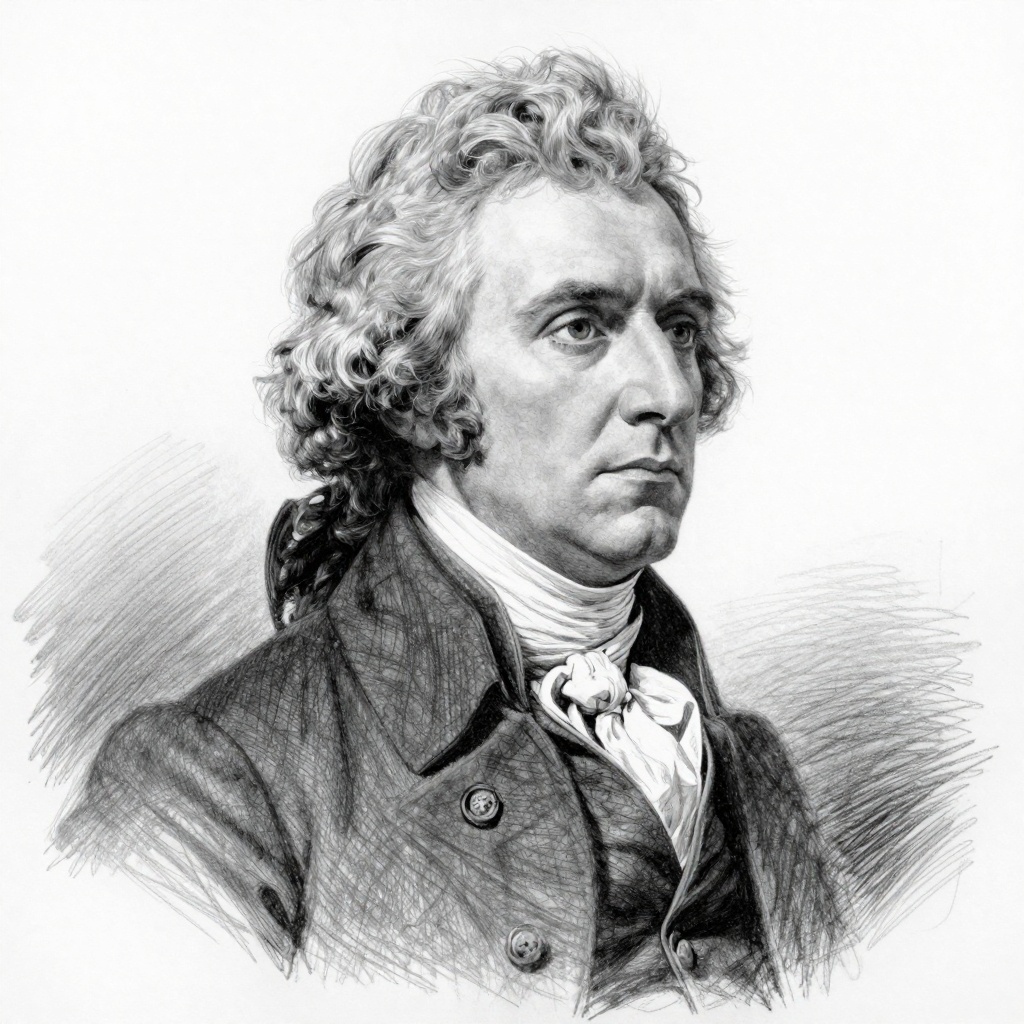
Loyalty to the family must be merged into loyalty to the community, loyalty to the community into loyalty to t... — Thomas Cochrane

Loyalty to the family must be merged into loyalty to the community, loyalty to the community into loyalty to the nation, and loyalty to the nation into loyalty to mankind. The citizen of the future must be a citizen of the world.

Author: Thomas Cochrane

Insight: We're often taught to think about loyalty as something we choose: either you're loyal to your family first, or you care about the wider world. But this quote suggests a different path—one where these loyalties don't compete so much as expand outward in concentric circles. You start with the people closest to you, which makes sense; that's where loyalty feels most natural and personal. But the real challenge is letting that same care ripple outward without diluting it. The tricky part is that this expansion rarely happens automatically. Most of us get stuck at one level—fiercely defending our family's interests while remaining indifferent to our neighbor's struggles, or caring deeply about global causes while neglecting the community actually next to us. The quote suggests this isn't a failing; it's just an incomplete journey. Each circle is practice for the next one. Learning to show up for your family teaches you how to show up for your community. Serving your community builds the muscles you need to think like a global citizen. What makes this relevant now isn't the idealism—it's that the world keeps shrinking. Your neighbor's economic crisis affects you. A conflict across the ocean touches your economy, your news feed, your sense of safety. The loyalty Cochrane describes isn't naive; it's increasingly practical.

Loyalty expands in concentric circles

Loyalty to the family must be merged into loyalty to the community, loyalty to the community into loyalty to the nation, and loyalty to the nation into loyalty to mankind. The citizen of the future must be a citizen of the world.

We're often taught to think about loyalty as something we choose: either you're loyal to your family first, or you care about the wider world. But this quote suggests a different path—one where these loyalties don't compete so much as expand outward in concentric circles. You start with the people closest to you, which makes sense; that's where loyalty feels most natural and personal. But the real challenge is letting that same care ripple outward without diluting it.

The tricky part is that this expansion rarely happens automatically. Most of us get stuck at one level—fiercely defending our family's interests while remaining indifferent to our neighbor's struggles, or caring deeply about global causes while neglecting the community actually next to us. The quote suggests this isn't a failing; it's just an incomplete journey. Each circle is practice for the next one. Learning to show up for your family teaches you how to show up for your community. Serving your community builds the muscles you need to think like a global citizen.

What makes this relevant now isn't the idealism—it's that the world keeps shrinking. Your neighbor's economic crisis affects you. A conflict across the ocean touches your economy, your news feed, your sense of safety. The loyalty Cochrane describes isn't naive; it's increasingly practical.

AI generated

Comments

Sign in to leave a comment or reply to one.

Sign in

Thomas Cochrane

Thomas Cochrane, 10th Earl of Dundonald (1775-1860), was a Scottish naval officer and politician known for his unconventional tactics and prowess as a captain during the Napoleonic Wars. A prominent figure in the Royal Navy, he gained a reputation for his daring exploits against enemy ships, inspiring literary characters like Horatio Hornblower. Cochrane also served in various political roles, advocating for reform and representing multiple constituencies in the British Parliament.

Graph

Related