Quote · Added 14 February 2026
Death is the cure for all diseases.
Thomas BrowneReligio Medici, Part 1, Section 9, 1642
Quote · Added 14 February 2026
We tend to treat this as a morbid statement, but there's something almost practical hidden in it. Thomas Browne was a 17th-century doctor who'd watched plague and suffering up close, and he wasn't being grim—he was being honest about a limit we still don't like to admit. No matter how many pills we invent or how many wellness trends we chase, death is the one thing medicine can delay but never defeat. There's a strange freedom in naming that directly.
The real insight isn't about giving up on health. It's about what happens when we stop treating every physical ailment like an emergency requiring a solution. We live in a time of unprecedented medical abundance, yet we're often more anxious about our bodies than ever. We optimize sleep, track metrics, worry about invisible deficiencies. Some of that matters. But Browne's blunt reminder cuts through the noise: our bodies aren't machines requiring perfect maintenance. They're temporary. Accepting that doesn't mean neglecting yourself—it means letting go of the exhausting fantasy that enough effort, enough discipline, enough information will make you untouchable.
Maybe the real cure isn't for disease at all. It's the perspective that lets you stop fighting your own mortality long enough to actually live.
1605–1682·lived 77 years
Thomas Browne (1605-1682) was an English polymath and physician, known for his contributions to literature and science during the 17th century. He is best recognized for his works "Religio Medici," a meditative exploration of faith and science, and "Urn Burial," which reflects on mortality and human existence. Browne's writing style, characterized by intricate prose and philosophical depth, has left a lasting impact on both literature and the development of scientific thought.
Also by Thomas Browne
Let age, not envy, draw wrinkles on thy cheeks.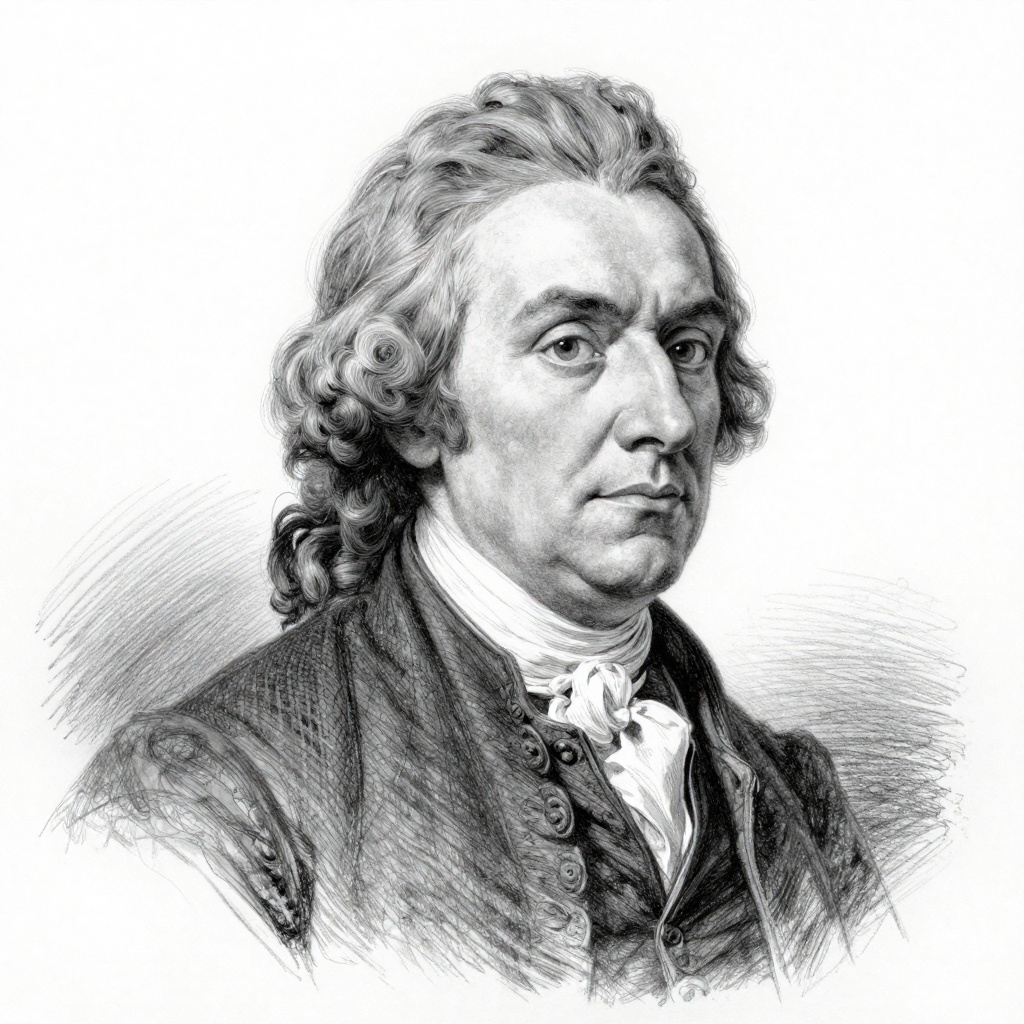
Comments