Quote · Added 14 February 2026
And how can man die better than facing fearful odds, for the ashes of his fathers, and the temples of his Gods?
Thomas Babington MacaulayLays of Ancient Rome, 1842
Quote · Added 14 February 2026
This quote captures something we're still wrestling with today: the pull between personal survival and something we believe matters more than ourselves. Macaulay wrote it about ancient Rome, but the tension he's describing shows up everywhere. We see it when someone stays in a difficult job because their family depends on it, or when someone stands up to social pressure despite real cost, or even when we make smaller sacrifices for what we value.
The tricky part is that the quote assumes the answer is obvious—that of course there are things worth the risk. But modern life makes that harder to feel certain about. We're skeptical of grand narratives about duty and honor; we're also exhausted and wary of being manipulated by appeals to sacrifice. Yet the hunger for meaning that Macaulay touches on hasn't gone anywhere. People still want their lives to mean something beyond comfort, still want to believe they stand for something.
The real insight might be this: the question isn't whether we should throw ourselves into "fearful odds." It's that we all have to figure out what actually deserves that kind of commitment from us. Not what we're told should matter, but what genuinely does. That clarity—knowing what's actually worth risking for—is harder than it looks.
1800–1859·lived 59 years
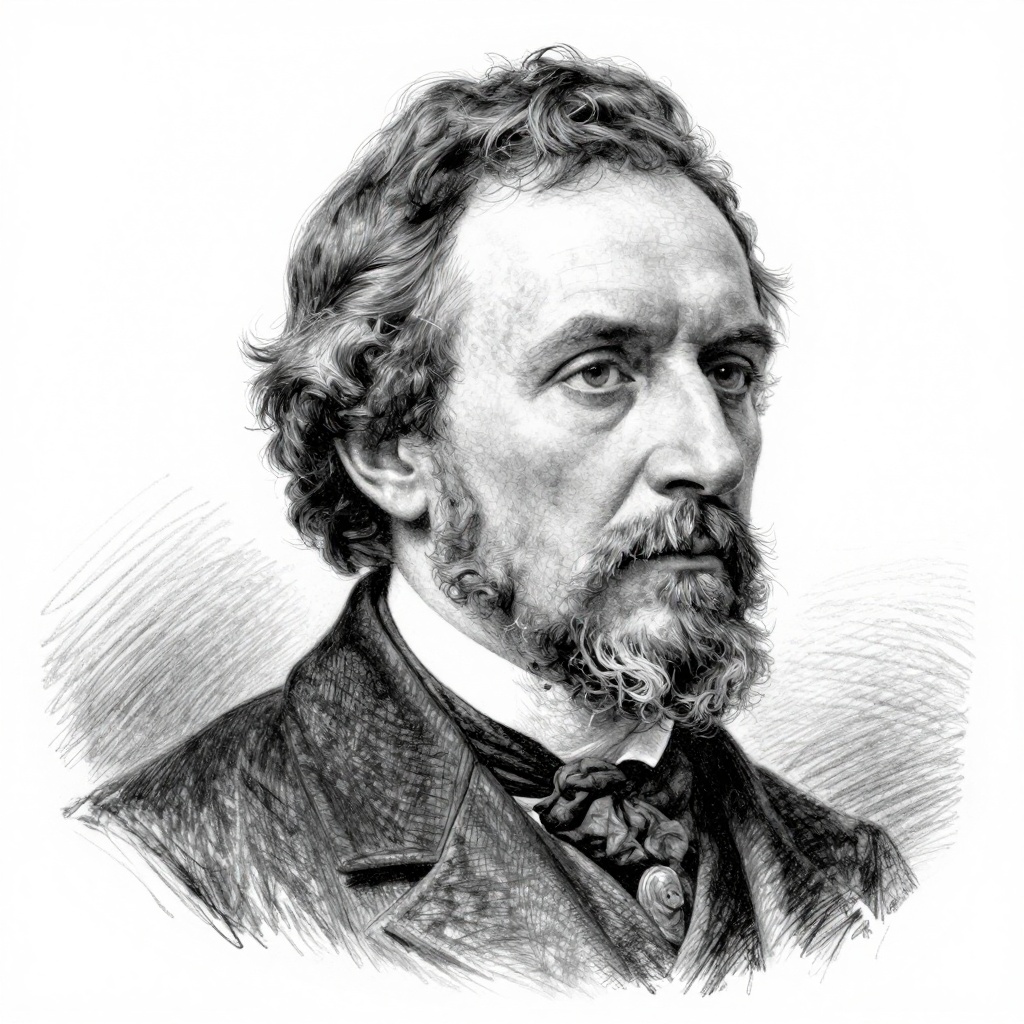
Thomas Babington Macaulay was a British historian, politician, and essayist born on October 25, 1800. He is best known for his influential works, particularly "The History of England," which established him as a prominent figure in Victorian literature and historical scholarship. In addition to his literary contributions, Macaulay served as a member of Parliament and held the position of Secretary of State for War and the Colonies.
Comments