Quote · Added 14 February 2026
Time is the most valuable thing a man can spend.
TheophrastusThe Lives and Opinions of Eminent Philosophers, by Diogenes Laërtius, c. 240 AD, bk. 5, ch. 2
Quote · Added 14 February 2026
We talk endlessly about money—budgeting it, saving it, investing it wisely. But time? We treat it like it's infinite, then wake up wondering where the years went. The truth is sharper than any financial lesson: you can earn more money, but you cannot earn more time. Once a Tuesday afternoon is gone, no amount of success buys it back.
This becomes obvious in small, painful ways. You skip dinner with a friend because work ran late, thinking you'll reschedule. You half-listen to someone you love while checking your phone, figuring you'll give them full attention "later." You tell yourself you'll take up that hobby or call that relative next year. These aren't moral failures—they're just how we naturally drift when we don't treat time like what it actually is: the raw material of a life.
The non-obvious part? Spending time well often looks like "doing nothing" by productivity standards. A long conversation that solves nothing. An afternoon without an agenda. Reading something just because it matters to you. We've been trained to see these as wastes, but they're actually where real living happens. The irony is that people who guard their time fiercely—who say no to most things so they can say yes to what actually counts—end up richer than the busiest people in the room.
d. 287
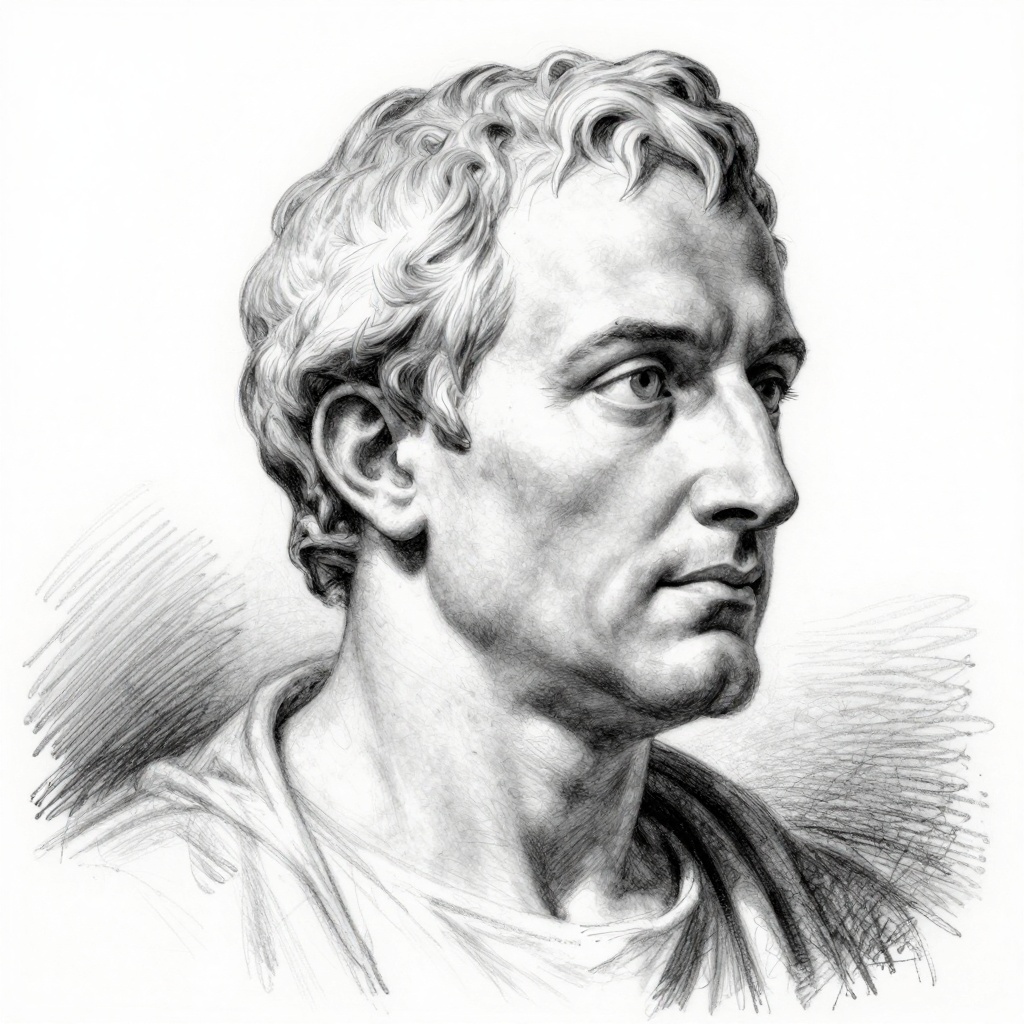
Theophrastus was an ancient Greek philosopher and naturalist, often referred to as the "father of botany." A student of Aristotle, he succeeded him as the head of the Lyceum and contributed significantly to the study of plants and their classification. His major works, including "Enquiry into Plants" and "On Causes of Plants," laid the foundation for botanical science and influenced later scholars in both biology and philosophy.
Comments