Quote · Added 15 February 2026
This country will not be a good place for any of us to live in unless we make it a good place for all of us to live in.
Filed undercountry·unity·responsibility
Quote · Added 15 February 2026
Filed undercountry·unity·responsibility
There's something almost stubborn about this idea, the way it refuses to let you off the hook. You can't just build a comfortable life for yourself and call it a win—not really, not if the ground beneath everyone is unstable. It's not preachy idealism. It's closer to recognizing that suffering around you eventually finds its way to your door, whether through crime, disease, instability, or just the grinding tension of living in a fractured place.
What makes this resonate now is how often we try to work around it. We buy security systems, move to gated neighborhoods, send our kids to private schools—all trying to create a bubble of "good" while the surrounding world stays broken. But bubbles leak. Your commute still takes you through struggling neighborhoods. Your kids' future depends on a functioning society, a stable economy, an educated workforce. You're actually all downstream from the same system.
The tricky part is that this isn't an argument for perfect equality or erasing all differences. It's simpler and harder: you genuinely cannot thrive in a place where large numbers of people are desperate, excluded, or angry. Your individual success becomes fragile without it. That's not moral pressure—it's just how systems actually work.
1858–1919·lived 60 years
Theodore Roosevelt (1858–1919) was an American statesman, author, explorer, soldier, and naturalist who served as the 26th President of the United States from 1901 to 1909. Known for his progressive policies, trust-busting efforts, conservationism, and contributions to foreign policy, he was a larger-than-life figure in American history.
Also by Theodore Roosevelt
The nation behaves well if it treats the natural resources as assets which it must turn ov...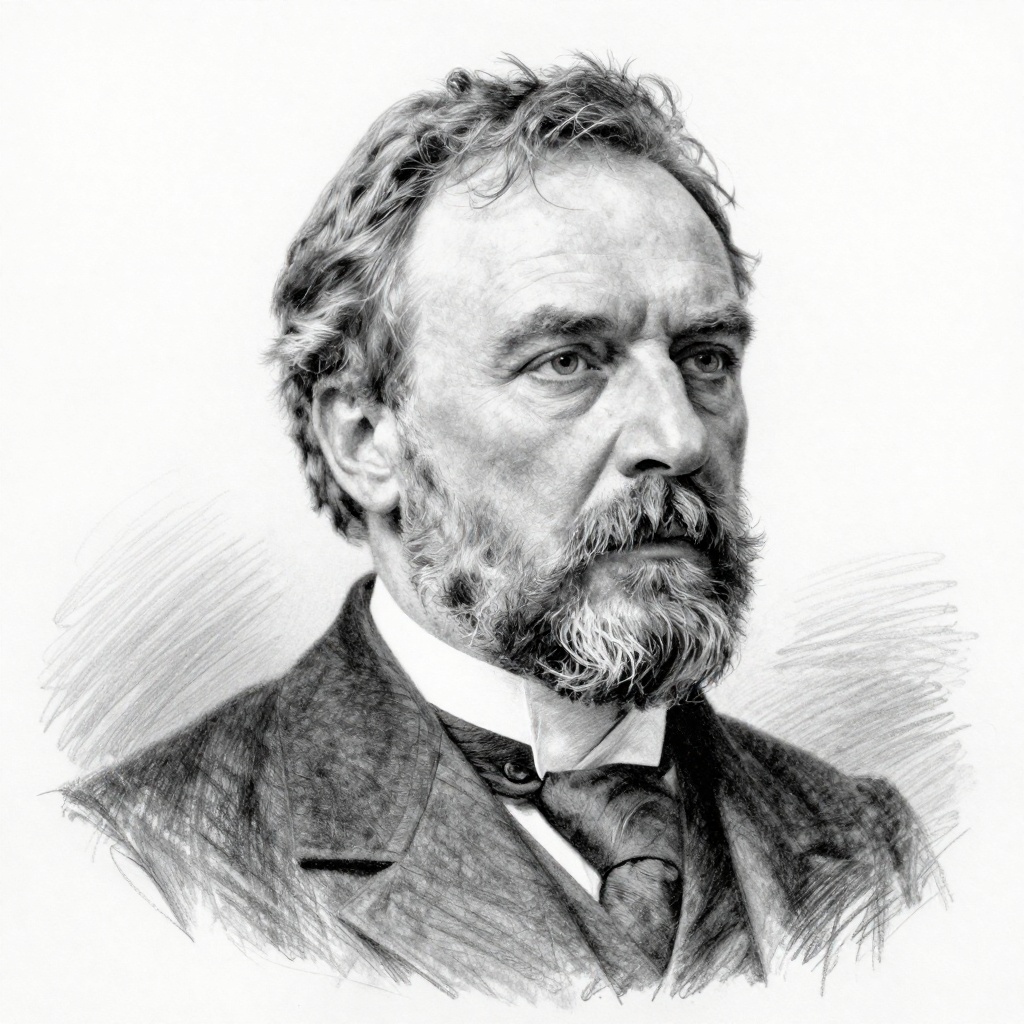
Comments