Quote · Added 14 February 2026
The reactionary is always willing to take a progressive attitude on any issue that is dead.
Theodore RooseveltTheodore Roosevelt Center
Filed underreactionary·progress·attitude
Quote · Added 14 February 2026
Filed underreactionary·progress·attitude
We all know someone—maybe ourselves—who loves championing causes that have already been won. It's easy to be bold about history. We can celebrate the abolition of slavery or women's suffrage with genuine passion because nobody's asking us to actually fight for it anymore. The real test of our convictions, Roosevelt is saying, comes when the issue still matters, when taking a stand costs something or makes us uncomfortable.
This matters today because we live in an age of performative certainty. It's simple to post about injustices that feel safely resolved, to lecture about mistakes from decades ago, to take strong positions on issues where no real stakes remain. It's much harder to examine what we're quietly accepting right now—the unfair workplace practice we tolerate, the friend we don't challenge, the convenient belief we haven't questioned. We're all reactionary on something.
The unsettling part is that tomorrow's obvious moral failures are today's normal business. The causes we ignore or rationalize now will eventually seem as indefensible as the ones we're comfortable condemning. Roosevelt's insight isn't really about politics—it's about where we actually stand when it matters, when we could lose something by being honest.
1858–1919·lived 60 years
Theodore Roosevelt (1858–1919) was an American statesman, author, explorer, soldier, and naturalist who served as the 26th President of the United States from 1901 to 1909. Known for his progressive policies, trust-busting efforts, conservationism, and contributions to foreign policy, he was a larger-than-life figure in American history.
Also by Theodore Roosevelt
The nation behaves well if it treats the natural resources as assets which it must turn ov...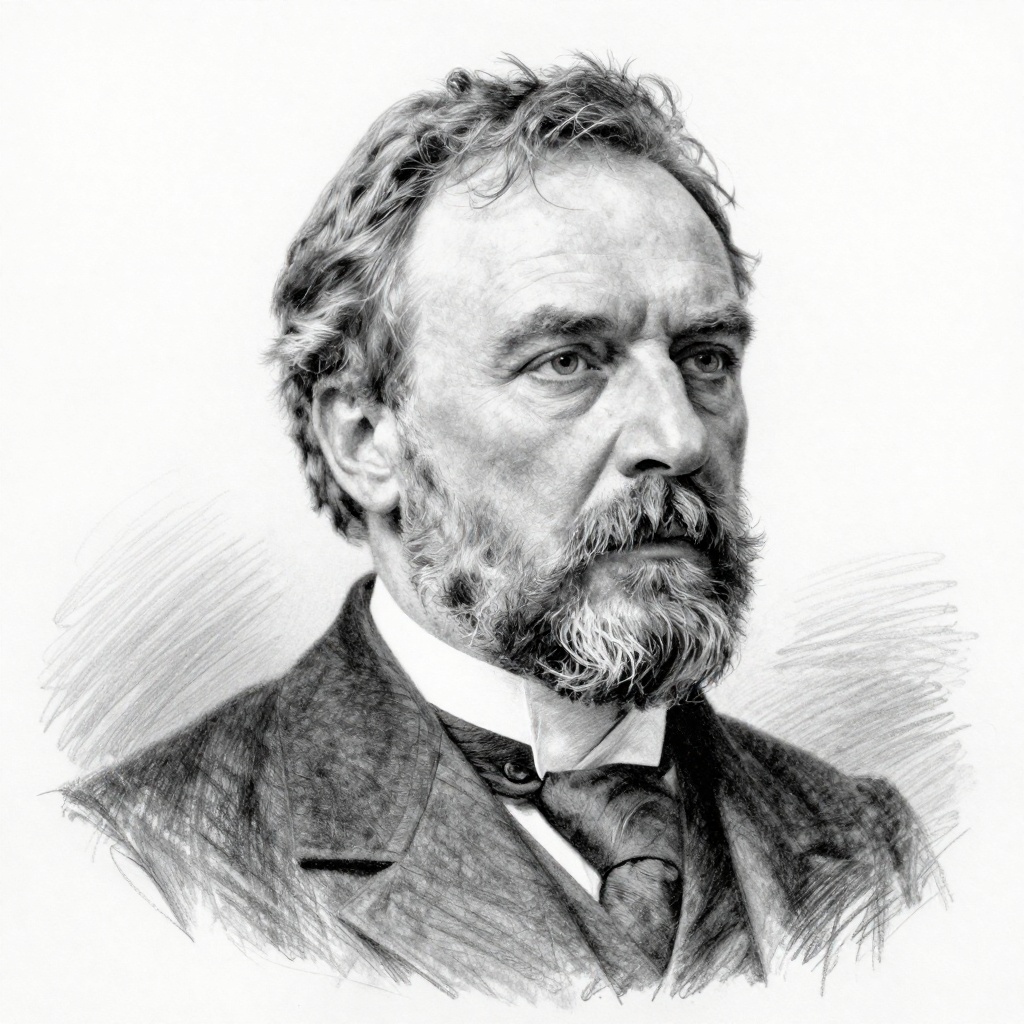
Comments