Quote · Added 15 February 2026
Patriotism means to stand by the country. It does not mean to stand by the president.
Filed underpatriotism·loyalty·criticism
Quote · Added 15 February 2026
Filed underpatriotism·loyalty·criticism
Most people hear "patriotism" and picture absolute loyalty—flag pins, unwavering support, standing together no matter what. Roosevelt's insight flips that completely. Real patriotism, he's saying, is actually harder than blind allegiance. It means loving your country enough to question the person running it, to say "I support us, but not this policy" or "this leader is wrong."
This distinction feels especially important now, when disagreeing with a president often gets mistaken for disloyalty. But think about it: if patriotism means supporting everything a leader does, then you've basically given up any ability to improve your country. You're stuck. The very mechanism for change—citizens pushing back, demanding better—gets rebranded as betrayal. Roosevelt understood that the country and its leadership are separate things. Your country is bigger, older, and will outlast any one person in office.
The tricky part is that this requires real discernment. It's easy to use "love of country" as cover for partisan scorekeeping or personal grievance. Genuine patriotism means occasionally supporting decisions you didn't vote for because they serve the country's interests, while also genuinely resisting decisions that don't—regardless of who made them.
1858–1919·lived 60 years
Theodore Roosevelt (1858–1919) was an American statesman, author, explorer, soldier, and naturalist who served as the 26th President of the United States from 1901 to 1909. Known for his progressive policies, trust-busting efforts, conservationism, and contributions to foreign policy, he was a larger-than-life figure in American history.
Also by Theodore Roosevelt
The nation behaves well if it treats the natural resources as assets which it must turn ov...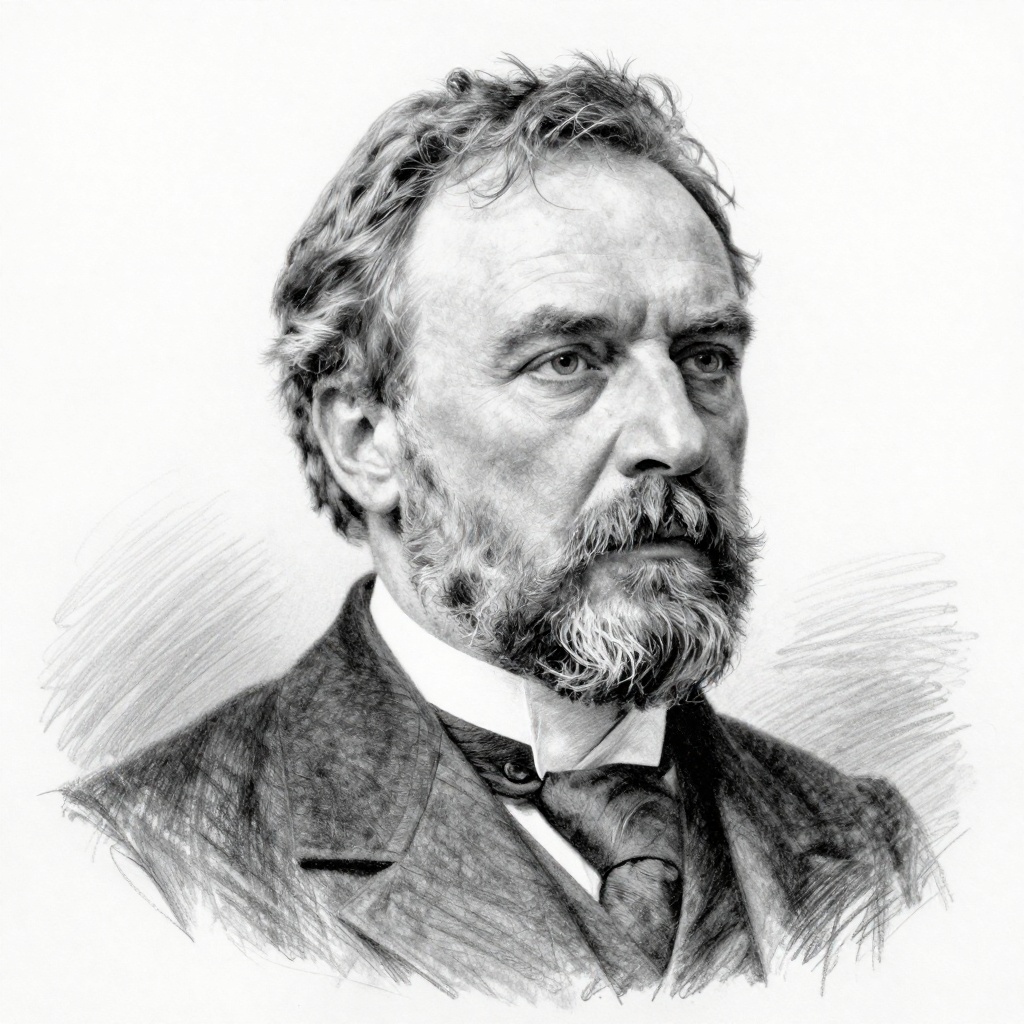
Comments