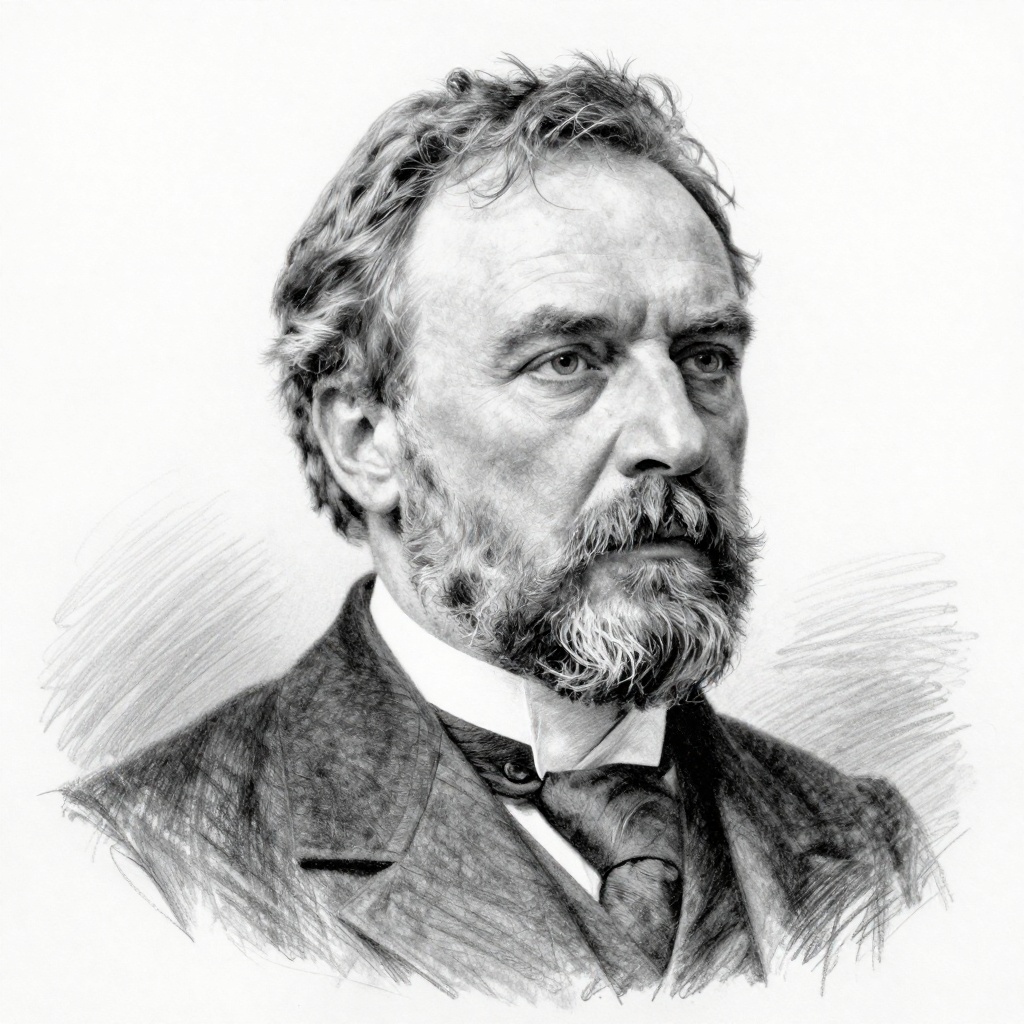
I'm not the smartest fellow in the world, but I can sure pick smart colleagues. Franklin D. — Theodore Roosevelt

I'm not the smartest fellow in the world, but I can sure pick smart colleagues. Franklin D.

Author: Theodore Roosevelt

Insight: There's something almost radical about a leader admitting they're not the sharpest person in the room—and then doing something about it. Most people who reach positions of power spend their time proving how capable they are. Roosevelt went in the opposite direction: he built a cabinet full of people smarter than him in different ways, let them argue with each other, and stayed secure enough to listen. The real skill here isn't intelligence itself—it's the ability to recognize intelligence in others and the confidence to surround yourself with it. We see this constantly in modern life, from startup founders who hire brilliant engineers to parents who seek out good teachers for their kids. The people who actually get things done often aren't the ones trying to be the smartest person at the table. They're the ones curious enough to ask good questions and humble enough to admit what they don't know. What makes this so powerful is that it cuts through one of our biggest insecurities. You don't need to be exceptional at everything. You need to know your limits and have the judgment to fill those gaps with people who excel where you don't. That's not settling—that's strategy.

Hire smarter than yourself

I'm not the smartest fellow in the world, but I can sure pick smart colleagues. Franklin D.

There's something almost radical about a leader admitting they're not the sharpest person in the room—and then doing something about it. Most people who reach positions of power spend their time proving how capable they are. Roosevelt went in the opposite direction: he built a cabinet full of people smarter than him in different ways, let them argue with each other, and stayed secure enough to listen.

The real skill here isn't intelligence itself—it's the ability to recognize intelligence in others and the confidence to surround yourself with it. We see this constantly in modern life, from startup founders who hire brilliant engineers to parents who seek out good teachers for their kids. The people who actually get things done often aren't the ones trying to be the smartest person at the table. They're the ones curious enough to ask good questions and humble enough to admit what they don't know.

What makes this so powerful is that it cuts through one of our biggest insecurities. You don't need to be exceptional at everything. You need to know your limits and have the judgment to fill those gaps with people who excel where you don't. That's not settling—that's strategy.

AI generated

Comments

Sign in to leave a comment or reply to one.

Sign in

Theodore Roosevelt

Theodore Roosevelt (1858–1919) was an American statesman, author, explorer, soldier, and naturalist who served as the 26th President of the United States from 1901 to 1909. Known for his progressive policies, trust-busting efforts, conservationism, and contributions to foreign policy, he was a larger-than-life figure in American history.

Graph

Related