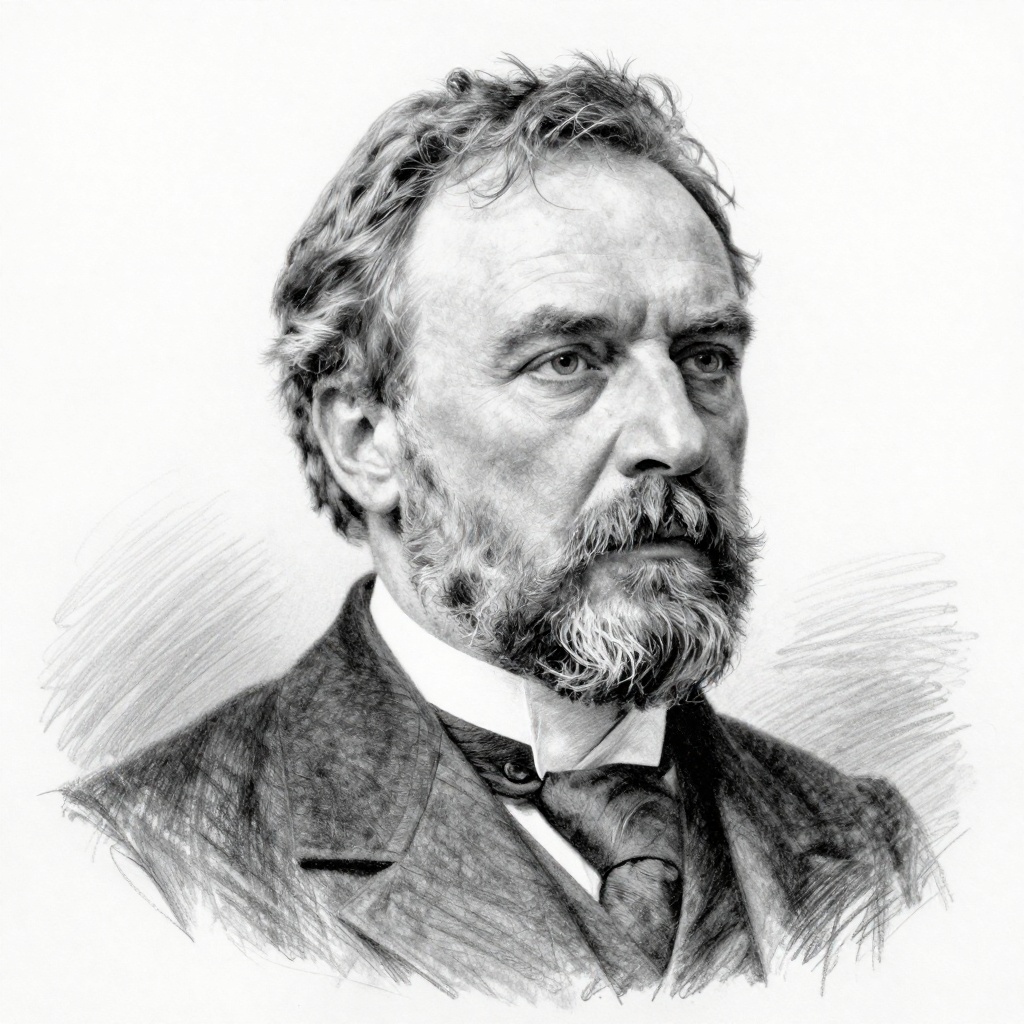
Far better is it to dare mighty things, to win glorious triumphs, even though checkered by failure... than to... — Theodore Roosevelt

Far better is it to dare mighty things, to win glorious triumphs, even though checkered by failure... than to rank with those poor spirits who neither enjoy nor suffer much, because they live in a gray twilight that knows not victory nor defeat.

Author: Theodore Roosevelt

Insight: There's a particular kind of safety that feels like slow suffocation. It's the comfort of never really trying, never really risking anything that matters. Roosevelt is pushing back against that flatness—not because he romanticizes failure, but because he understands something we often forget: a life spent avoiding pain also avoids meaning. The tricky part is that his "mighty things" don't have to be world-historical. They can be as personal as starting a creative project you've been afraid to begin, having a difficult conversation you've been postponing, or changing careers because the current one leaves you hollow. The cost of caution is a kind of quiet regret that builds over years. What makes Roosevelt's words still sharp is that he's naming something true: the people who feel most alive are rarely the ones who've gotten everything right. They're the ones who've tried something real and lived through the actual consequences, good and bad. The gray twilight he describes isn't fictional. It's the default setting for many of us now—comfortable enough to not rebel against, but not quite alive. His challenge is worth sitting with: what small "mighty thing" are you avoiding, and what is that caution actually costing you?

The Price of Playing It Safe

Far better is it to dare mighty things, to win glorious triumphs, even though checkered by failure... than to rank with those poor spirits who neither enjoy nor suffer much, because they live in a gray twilight that knows not victory nor defeat.

There's a particular kind of safety that feels like slow suffocation. It's the comfort of never really trying, never really risking anything that matters. Roosevelt is pushing back against that flatness—not because he romanticizes failure, but because he understands something we often forget: a life spent avoiding pain also avoids meaning.

The tricky part is that his "mighty things" don't have to be world-historical. They can be as personal as starting a creative project you've been afraid to begin, having a difficult conversation you've been postponing, or changing careers because the current one leaves you hollow. The cost of caution is a kind of quiet regret that builds over years. What makes Roosevelt's words still sharp is that he's naming something true: the people who feel most alive are rarely the ones who've gotten everything right. They're the ones who've tried something real and lived through the actual consequences, good and bad.

The gray twilight he describes isn't fictional. It's the default setting for many of us now—comfortable enough to not rebel against, but not quite alive. His challenge is worth sitting with: what small "mighty thing" are you avoiding, and what is that caution actually costing you?

AI generated

Comments

Sign in to leave a comment or reply to one.

Sign in

Theodore Roosevelt

Theodore Roosevelt (1858–1919) was an American statesman, author, explorer, soldier, and naturalist who served as the 26th President of the United States from 1901 to 1909. Known for his progressive policies, trust-busting efforts, conservationism, and contributions to foreign policy, he was a larger-than-life figure in American history.

Graph

Related