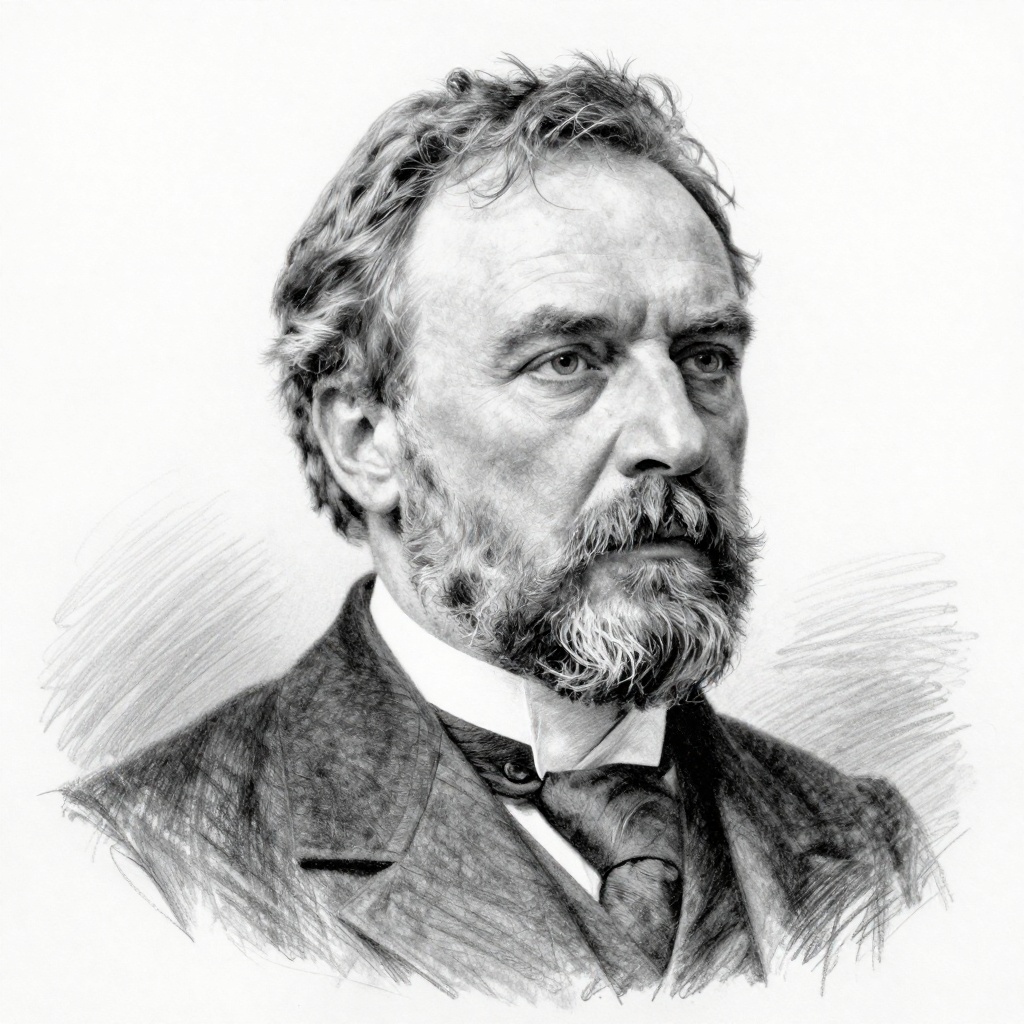
Confidence... thrives on honesty, on honor, on the sacredness of obligations, on faithful protection and on un... — Theodore Roosevelt

Confidence... thrives on honesty, on honor, on the sacredness of obligations, on faithful protection and on unselfish performance. Without them it cannot live. Franklin D.

Author: Theodore Roosevelt

Insight: Confidence gets a lot of bad press these days—we treat it like it's something you can fake until you make it, or build through positive affirmations alone. But Roosevelt is pointing at something much harder and more real: genuine confidence isn't a feeling you manufacture. It's what naturally emerges when your actions actually line up with your words. When you follow through on commitments, admit mistakes quickly, and prioritize others' interests alongside your own, people trust you. And more importantly, you trust yourself. The counterintuitive part is that this kind of confidence often feels less dramatic than we expect. There's no performance to it. A person who quietly keeps their promises and owns their failures reads as deeply confident—not because they're brash or certain about everything, but because they're genuinely reliable. The opposite is also true: you can sound confident all day long, but if you're cutting corners or spinning the truth, that groundlessness leaks through. People sense it. This matters more now because we're all more visible and our contradictions get exposed faster. The shortcut approach to confidence—the personal brand, the highlight reel—collapses under any real pressure. But if your confidence is built on actually doing what you say you'll do, it becomes bulletproof.

Confidence is built on keeping promises

Confidence... thrives on honesty, on honor, on the sacredness of obligations, on faithful protection and on unselfish performance. Without them it cannot live. Franklin D.

Confidence gets a lot of bad press these days—we treat it like it's something you can fake until you make it, or build through positive affirmations alone. But Roosevelt is pointing at something much harder and more real: genuine confidence isn't a feeling you manufacture. It's what naturally emerges when your actions actually line up with your words. When you follow through on commitments, admit mistakes quickly, and prioritize others' interests alongside your own, people trust you. And more importantly, you trust yourself.

The counterintuitive part is that this kind of confidence often feels less dramatic than we expect. There's no performance to it. A person who quietly keeps their promises and owns their failures reads as deeply confident—not because they're brash or certain about everything, but because they're genuinely reliable. The opposite is also true: you can sound confident all day long, but if you're cutting corners or spinning the truth, that groundlessness leaks through. People sense it.

This matters more now because we're all more visible and our contradictions get exposed faster. The shortcut approach to confidence—the personal brand, the highlight reel—collapses under any real pressure. But if your confidence is built on actually doing what you say you'll do, it becomes bulletproof.

AI generated

Comments

Sign in to leave a comment or reply to one.

Sign in

Theodore Roosevelt

Theodore Roosevelt (1858–1919) was an American statesman, author, explorer, soldier, and naturalist who served as the 26th President of the United States from 1901 to 1909. Known for his progressive policies, trust-busting efforts, conservationism, and contributions to foreign policy, he was a larger-than-life figure in American history.

Graph

Related