Quote · Added 25 August 2023
Believe you can and you're halfway there.
Filed underbelief·motivation·achievement
Quote · Added 25 August 2023
Filed underbelief·motivation·achievement
The tricky part about this idea isn't whether it's true—it's understanding what "halfway" actually means. It's not saying belief alone gets you to the finish line. It's saying that the moment you genuinely stop thinking "I can't," something shifts. You stop pre-rejecting yourself before reality even has a chance to weigh in. You start noticing opportunities instead of reasons to quit. You try the harder version of the thing instead of the easier escape route.
Think about learning to swim, starting a conversation with someone intimidating, or tackling a project at work you've been avoiding. The belief part is real work—it's fighting your own brain's habit of protecting you through pessimism. But once you're actually in motion, once you've decided you might pull this off, the remaining obstacles become almost ordinary. They're just problems to solve instead of proof that you were right to doubt yourself.
What makes this hold up is that it's not about delusion. Roosevelt wasn't suggesting belief replaces skill or effort. He was pointing out that confidence and momentum are genuine forces. Plenty of able people never start because they've already decided the outcome. And plenty of less-naturally-talented people get further because they're willing to find out what they're actually capable of.
1858–1919·lived 60 years
Theodore Roosevelt (1858–1919) was an American statesman, author, explorer, soldier, and naturalist who served as the 26th President of the United States from 1901 to 1909. Known for his progressive policies, trust-busting efforts, conservationism, and contributions to foreign policy, he was a larger-than-life figure in American history.
Also by Theodore Roosevelt
The nation behaves well if it treats the natural resources as assets which it must turn ov...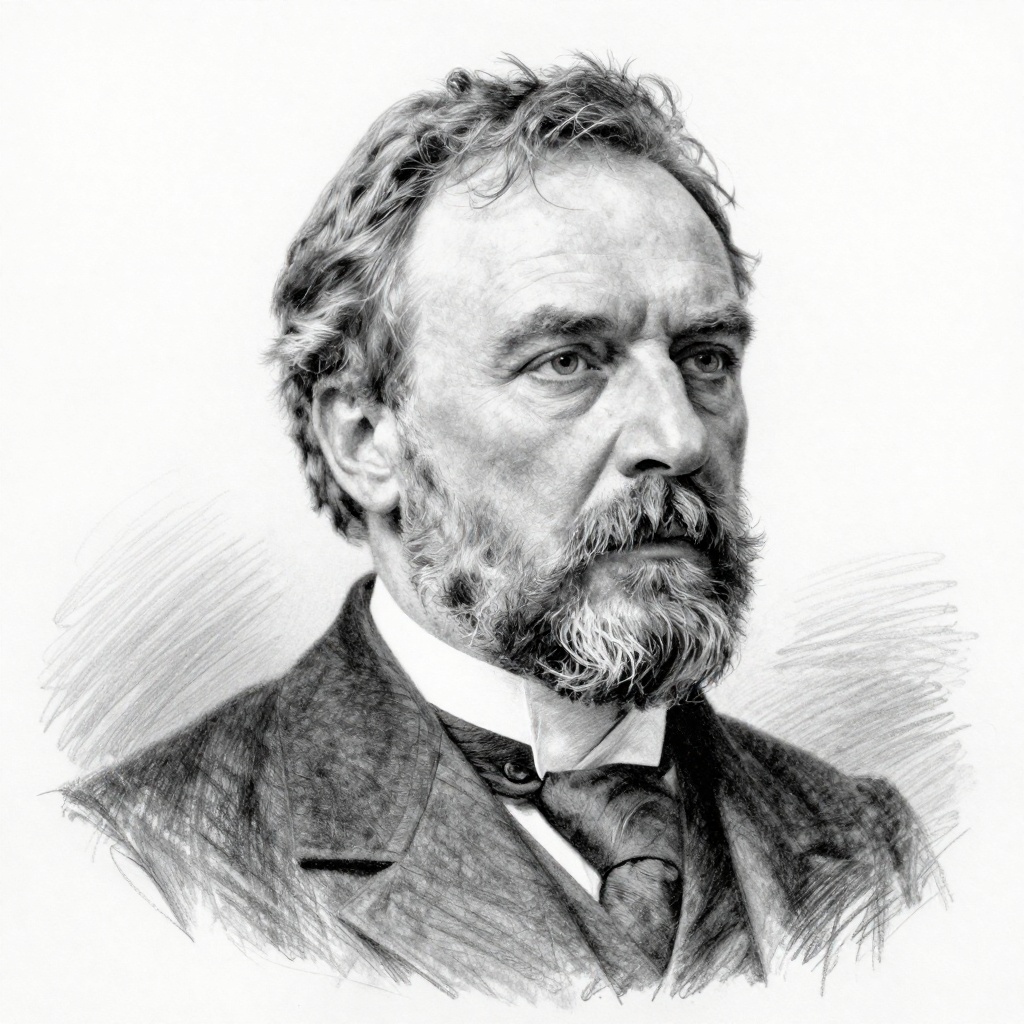
Comments