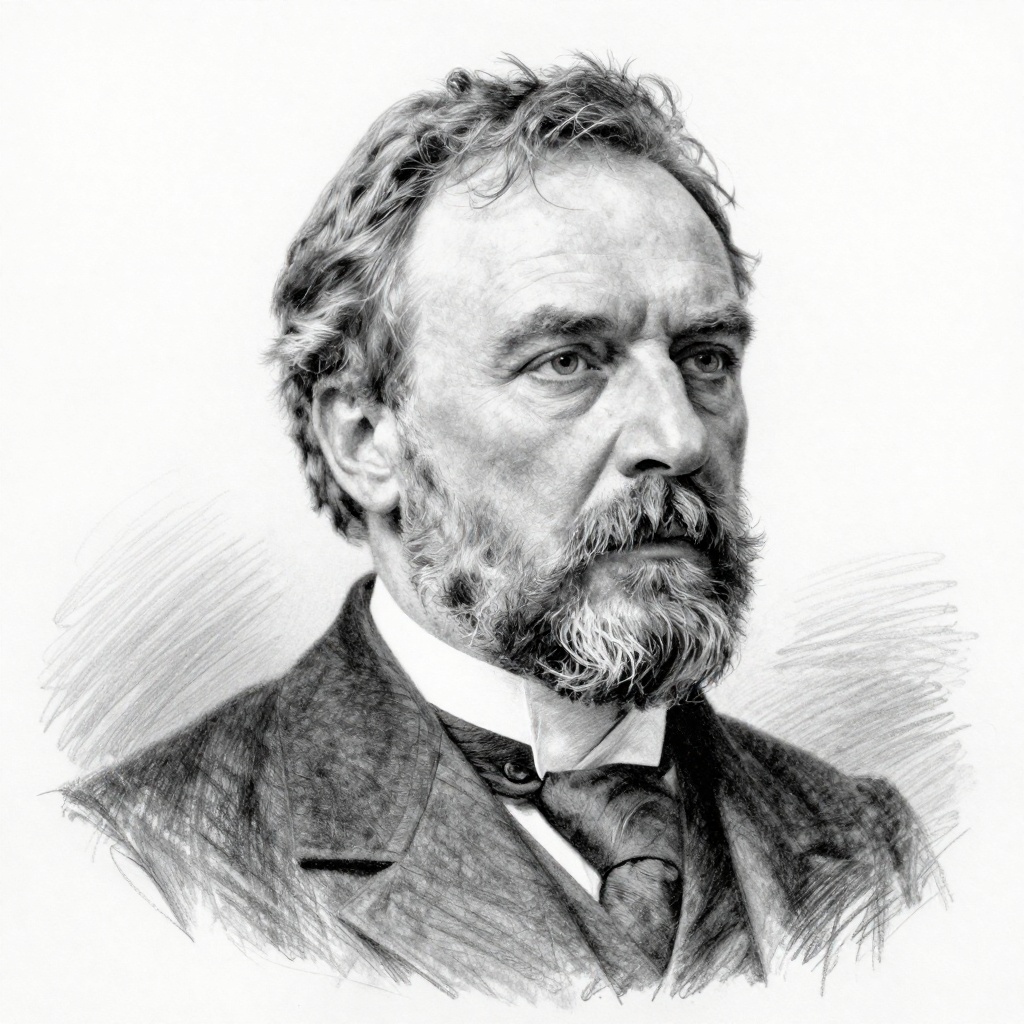
Behind the ostensible government sits enthroned an invisible government owing no allegiance and acknowledging... — Theodore Roosevelt

Behind the ostensible government sits enthroned an invisible government owing no allegiance and acknowledging no responsibility to the people.

Author: Theodore Roosevelt

Insight: We're tempted to dismiss this as paranoid conspiracy thinking, but Roosevelt was pointing at something simpler and more persistent: the gap between how power is supposed to work and how it actually works. Elected officials leave office, but the staffers, lobbyists, bureaucrats, and financial interests who shaped policy stay put. They're not plotting in basements—they're just embedded in systems that have momentum and rules that protect them. A new president discovers the previous administration's priorities are still moving forward whether they like it or not. The twist is that this "invisible government" doesn't require secrecy to exist. It operates openly through revolving doors between industry and regulation, through career civil servants who outlast politicians, through consultants who whisper in ears and then disappear. You see it when a rule you voted for gets quietly gutted by implementation, or when a promised change never materializes despite a new leader arriving with energy and promises. The real power often belongs to whoever shows up consistently and knows how the machine actually works—not the person with the official title. Understanding this isn't cynicism; it's clarity. It means when you want something to change, knowing who sits in the invisible seats is just as important as knowing who won the election.

Power outlasts the people you voted for

Behind the ostensible government sits enthroned an invisible government owing no allegiance and acknowledging no responsibility to the people.

We're tempted to dismiss this as paranoid conspiracy thinking, but Roosevelt was pointing at something simpler and more persistent: the gap between how power is supposed to work and how it actually works. Elected officials leave office, but the staffers, lobbyists, bureaucrats, and financial interests who shaped policy stay put. They're not plotting in basements—they're just embedded in systems that have momentum and rules that protect them. A new president discovers the previous administration's priorities are still moving forward whether they like it or not.

The twist is that this "invisible government" doesn't require secrecy to exist. It operates openly through revolving doors between industry and regulation, through career civil servants who outlast politicians, through consultants who whisper in ears and then disappear. You see it when a rule you voted for gets quietly gutted by implementation, or when a promised change never materializes despite a new leader arriving with energy and promises.

The real power often belongs to whoever shows up consistently and knows how the machine actually works—not the person with the official title. Understanding this isn't cynicism; it's clarity. It means when you want something to change, knowing who sits in the invisible seats is just as important as knowing who won the election.

AI generated

Comments

Sign in to leave a comment or reply to one.

Sign in

Theodore Roosevelt

Theodore Roosevelt (1858–1919) was an American statesman, author, explorer, soldier, and naturalist who served as the 26th President of the United States from 1901 to 1909. Known for his progressive policies, trust-busting efforts, conservationism, and contributions to foreign policy, he was a larger-than-life figure in American history.

Graph

Related