Quote · Added 28 February 2026
Real difficulties can be overcome; it is only the imaginary ones that are unconquerable.
Filed underdifficulties·overcome·imagination
Quote · Added 28 February 2026
Filed underdifficulties·overcome·imagination
There's a useful distinction hiding in this quote that most of us never quite make. When we face an actual problem—a conversation we need to have, a skill we need to learn, a project with real obstacles—we can usually find a path through it, even if it's messy and takes time. But the difficulties we invent in our heads before anything actually happens? Those are what paralyze us.
Think about the difference between preparing for a difficult conversation and obsessing over it three days in advance. The real conversation, when it finally happens, is almost always manageable. You can respond to what's actually said. But that imaginary version, the one playing on loop in your mind where everything goes wrong? That one has no limits. It gets worse each time you revisit it.
The counterintuitive part is that recognizing a difficulty as "only imaginary" doesn't make it disappear. But it does change your relationship to it. Real problems invite solutions. Imaginary ones just demand that we sit with them longer. The moment you can name something as a worry rather than a fact, you've actually given yourself something to work with—a chance to ask whether it's worth your energy at all.
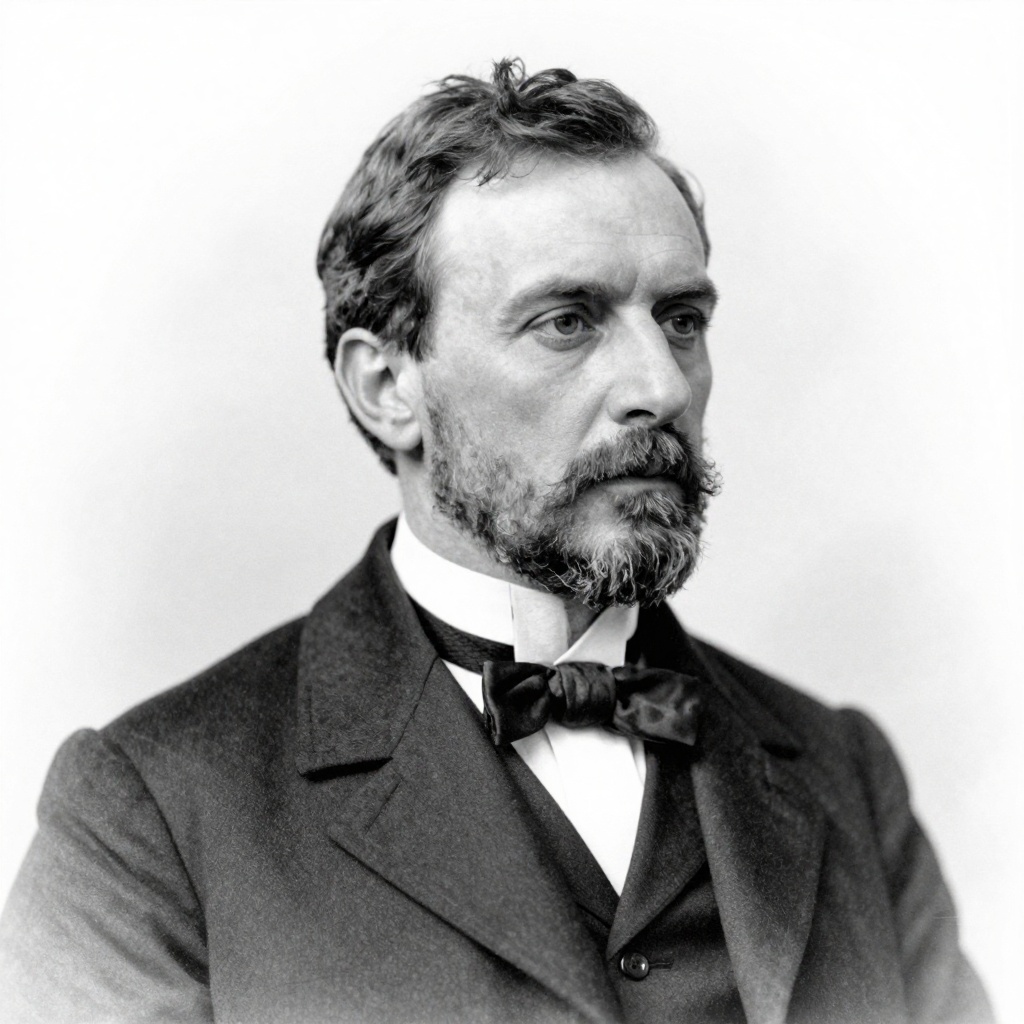
1845–1920·lived 75 years
Theodore Newton Vail was an American businessman and telecommunications executive, best known for his role as the president of the American Telephone and Telegraph Company (AT&T) from 1907 to 1919 and again from 1920 to 1925. He played a pivotal role in expanding the telephone network in the United States and was a proponent of the idea that communication technology should be accessible to all. Vail is often credited with shaping modern telecommunications policy and structure.
Comments