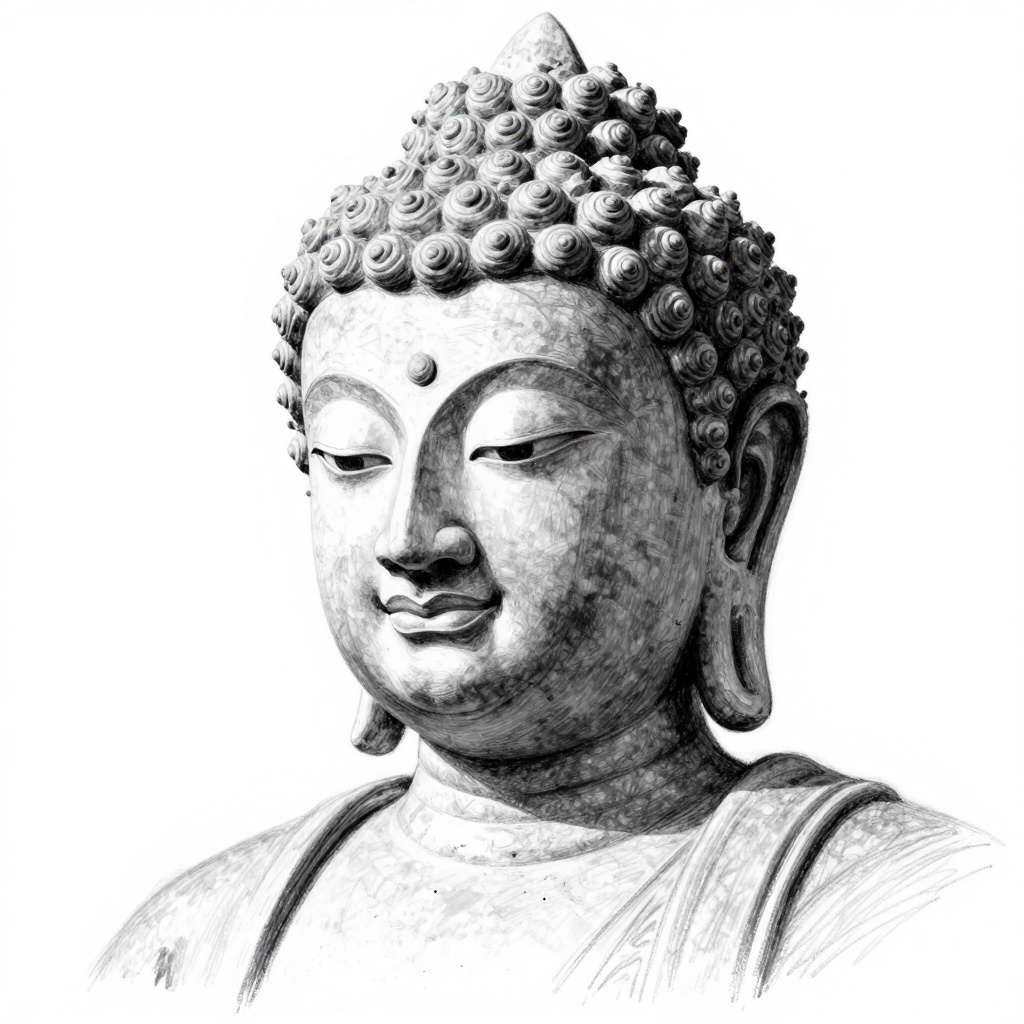
He who is overly attached to his family members experiences fear and sorrow, for the root of all grief is atta... — The Buddha

He who is overly attached to his family members experiences fear and sorrow, for the root of all grief is attachment. Thus one should discard attachment to be happy.

Author: The Buddha

Insight: Most of us hear this and think it means we should stop caring about the people we love. But that's not quite right. The Buddha isn't saying love is the problem—it's the grip we have on things, including people, that creates suffering. There's a real difference between deeply loving someone and being so terrified of losing them that anxiety colors every moment you spend together. Think about how attachment actually works in daily life. You worry endlessly about your kid's future, or you can't enjoy a meal with your partner because you're mentally rehearsing conversations that haven't happened yet. You love them, yes, but you're also demanding that reality stay frozen in place, which it never will. Grief comes not from caring, but from the exhausting effort to keep things from changing when change is inevitable. The counterintuitive part? Letting go of that desperate grip often makes you more present with the people you care about, not less. When you accept that nothing lasts forever, you stop sleepwalking through time with them. You actually see them. You're lighter. It's less about abandoning love and more about trading constant anxiety for genuine appreciation of what's here right now.

Love without the stranglehold

He who is overly attached to his family members experiences fear and sorrow, for the root of all grief is attachment. Thus one should discard attachment to be happy.

Most of us hear this and think it means we should stop caring about the people we love. But that's not quite right. The Buddha isn't saying love is the problem—it's the grip we have on things, including people, that creates suffering. There's a real difference between deeply loving someone and being so terrified of losing them that anxiety colors every moment you spend together.

Think about how attachment actually works in daily life. You worry endlessly about your kid's future, or you can't enjoy a meal with your partner because you're mentally rehearsing conversations that haven't happened yet. You love them, yes, but you're also demanding that reality stay frozen in place, which it never will. Grief comes not from caring, but from the exhausting effort to keep things from changing when change is inevitable.

The counterintuitive part? Letting go of that desperate grip often makes you more present with the people you care about, not less. When you accept that nothing lasts forever, you stop sleepwalking through time with them. You actually see them. You're lighter. It's less about abandoning love and more about trading constant anxiety for genuine appreciation of what's here right now.

AI generated

Comments

Sign in to leave a comment or reply to one.

Sign in

The Buddha

The Buddha, also known as Siddhartha Gautama, was a spiritual teacher and the founder of Buddhism. He is known for his teachings on achieving enlightenment and the Four Noble Truths which form the foundation of Buddhist philosophy. The Buddha's life and teachings have had a profound influence on spiritual practices and philosophy across the world.

Graph

Related