Quote · Added 14 February 2026
It is always easier to requite an injury than a service: gratitude is a burden, but revenge is found to pay.
TacitusThe Annals, Book 1, 1st century
No ratings yet
Quote · Added 14 February 2026
There's something oddly honest about this ancient observation that still stings today. Revenge feels clean and simple—someone wrongs you, you hit back, and the ledger balances. Gratitude, by contrast, creates an imbalance you can't quite settle. When someone helps you, you're left carrying something you can't fully repay, and that asymmetry bothers us more than we usually admit. It's why we sometimes distance ourselves from people who've done us favors, or why we're quick to remind ourselves of the ways we've helped them back. The debt feels uncomfortable in a way that satisfaction from revenge never does.
But here's the less obvious part: that very discomfort is actually pointing to something real about human connection. Revenge is lonely work—it closes the door. Gratitude, awkward as it feels, keeps relationships alive. The burden Tacitus describes isn't a flaw; it's the price of being genuinely changed by someone else's kindness. We feel heavier because we're actually carrying something valuable. The trick isn't to avoid that weight, but to recognize when we're avoiding it—and consider whether the people we're ghosting have actually earned better.
d. 120
Tacitus was a Roman historian and politician who lived from approximately 56 AD to 120 AD. He is best known for his works "Annals" and "Histories," which provide a detailed account of the Roman Empire's history from the reign of Tiberius to the Flavian dynasty. Tacitus is regarded as one of the greatest Roman historians, notable for his analytical style and critical approach to sources.
Also by Tacitus
A bad peace is even worse than war.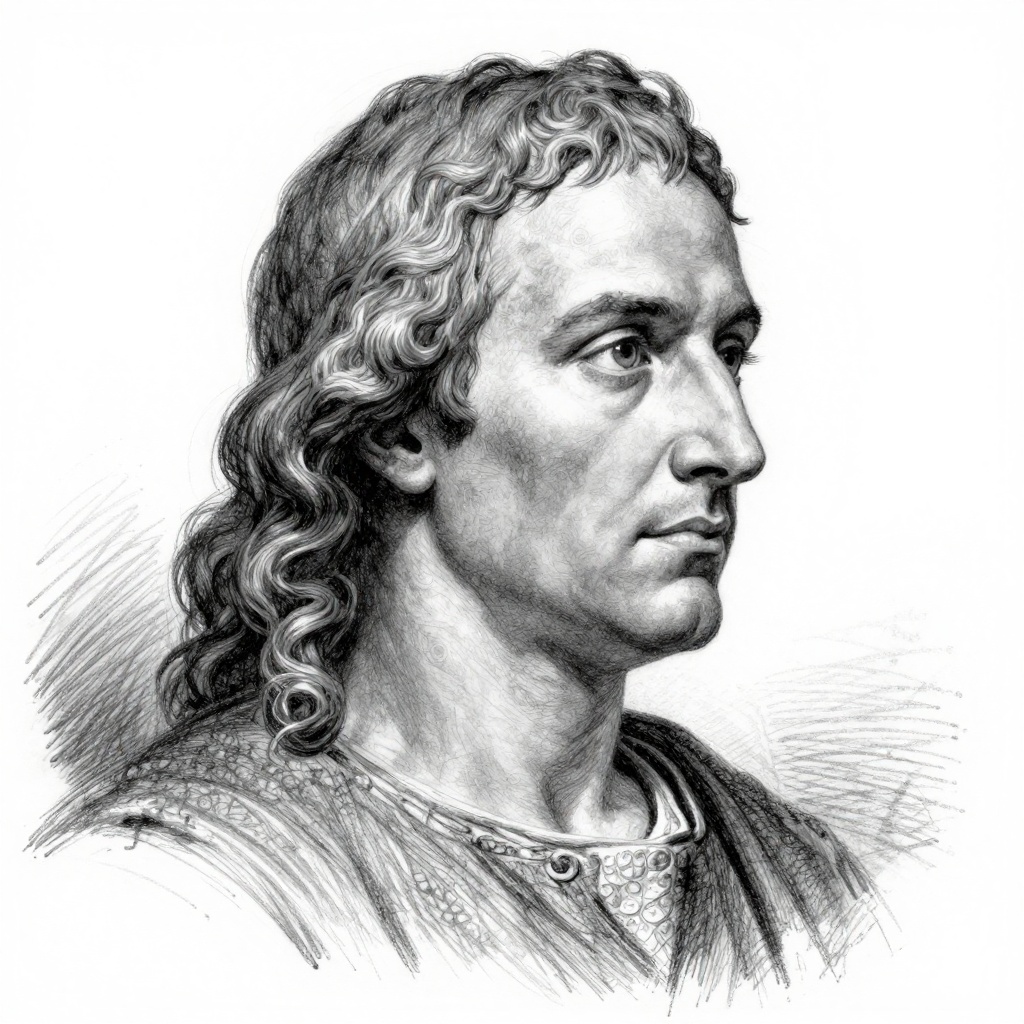
Comments