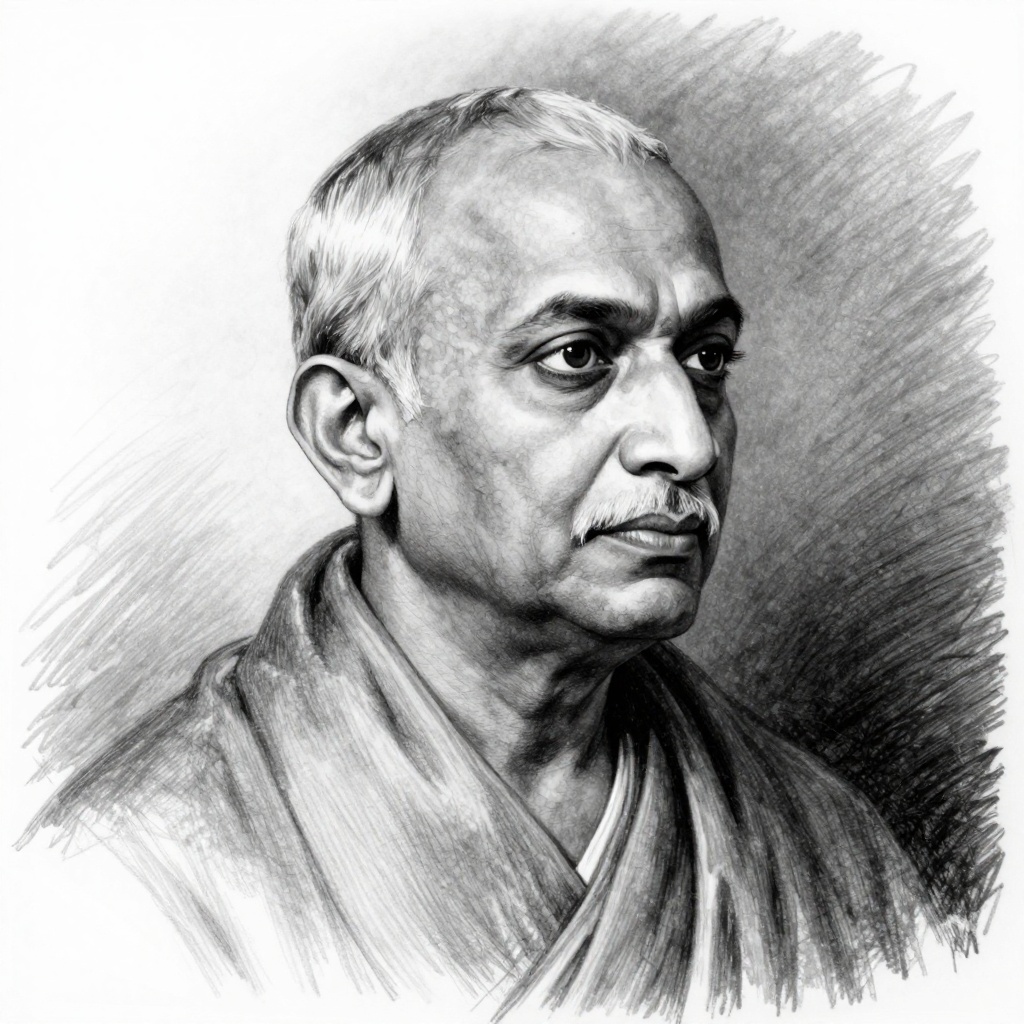
We are what our thoughts have made us; so take care about what you think. Words are secondary. Thoughts live;... — Swami Vivekananda

We are what our thoughts have made us; so take care about what you think. Words are secondary. Thoughts live; they travel far.

Author: Swami Vivekananda

Insight: Your thoughts are doing more work than you probably realize. They're not just private mental commentary—they're actively shaping who you're becoming, moment by moment. When you habitually think you're not good enough, that belief doesn't stay trapped in your head; it influences how you stand, what you say, which opportunities you pursue. Over time, these repeated patterns calcify into identity. The person who thinks "I'm not creative" eventually stops trying, and that becomes true. What makes this insight stick is the second part: thoughts travel far. There's something almost unsettling about it. Your mental patterns affect the energy you bring into rooms, the conversations you have, the people you attract. Negativity has a radius. So does clarity and curiosity. This isn't magical thinking—it's recognizing that your internal world leaks outward in countless small ways. The practical takeaway isn't toxic positivity or forced optimism. It's recognizing that your thought habits are a legitimate place to invest attention, maybe even more than the words you choose or the external fixes you chase. Because you can't think your way to a better life without first thinking differently about what's possible.

Your thoughts are building you

We are what our thoughts have made us; so take care about what you think. Words are secondary. Thoughts live; they travel far.

Your thoughts are doing more work than you probably realize. They're not just private mental commentary—they're actively shaping who you're becoming, moment by moment. When you habitually think you're not good enough, that belief doesn't stay trapped in your head; it influences how you stand, what you say, which opportunities you pursue. Over time, these repeated patterns calcify into identity. The person who thinks "I'm not creative" eventually stops trying, and that becomes true.

What makes this insight stick is the second part: thoughts travel far. There's something almost unsettling about it. Your mental patterns affect the energy you bring into rooms, the conversations you have, the people you attract. Negativity has a radius. So does clarity and curiosity. This isn't magical thinking—it's recognizing that your internal world leaks outward in countless small ways.

The practical takeaway isn't toxic positivity or forced optimism. It's recognizing that your thought habits are a legitimate place to invest attention, maybe even more than the words you choose or the external fixes you chase. Because you can't think your way to a better life without first thinking differently about what's possible.

AI generated

Comments

Sign in to leave a comment or reply to one.

Sign in

Swami Vivekananda

Swami Vivekananda, born Narendranath Datta, was an influential Indian monk and philosopher of the 19th century. He was a key figure in the introduction of Indian philosophies of Vedanta and Yoga to the Western world and is best known for his inspiring speeches at the Parliament of the World's Religions in Chicago in 1893, where he introduced Hinduism to a global audience and emphasized the universality of all religions.

Graph

Related