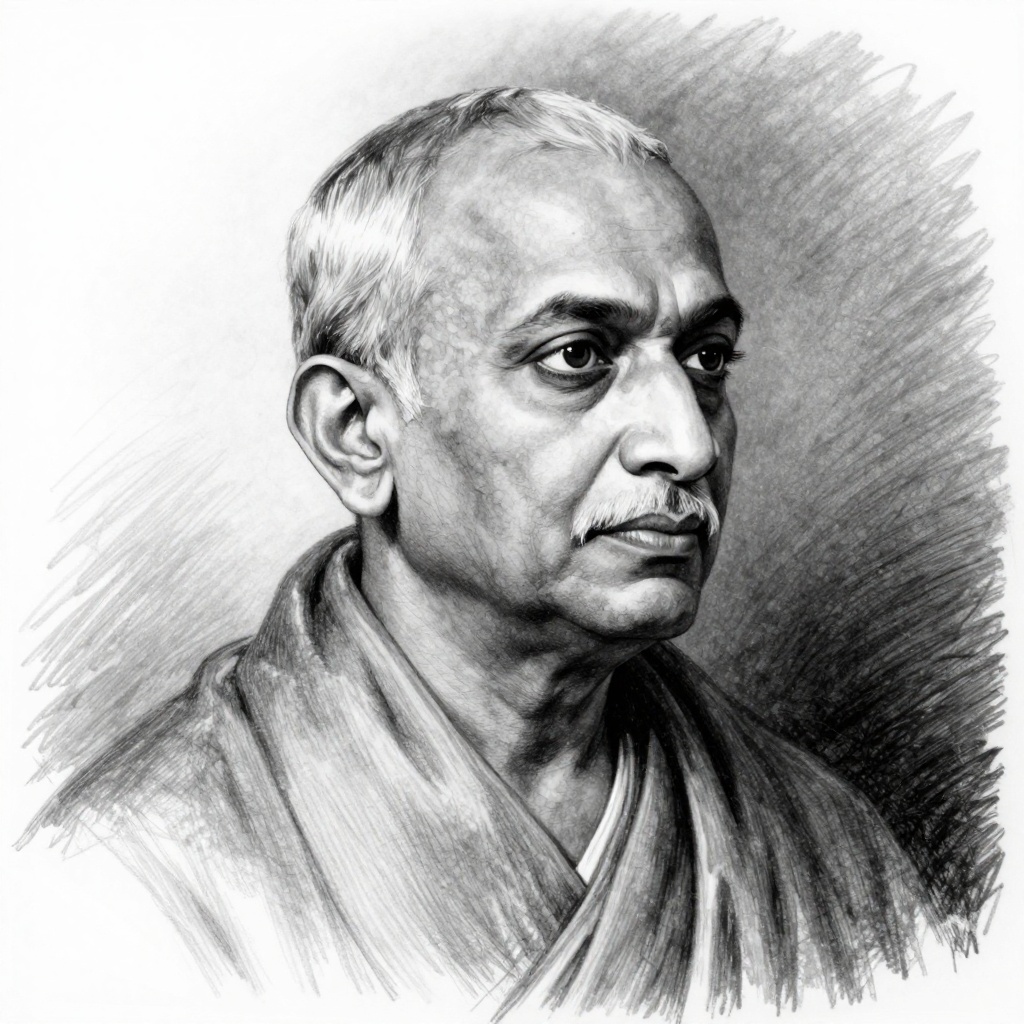
If money help a man to do good to others, it is of some value; but if not, it is simply a mass of evil, and th... — Swami Vivekananda

If money help a man to do good to others, it is of some value; but if not, it is simply a mass of evil, and the sooner it is got rid of, the better.

Author: Swami Vivekananda

Insight: Money sitting in a bank account or stuffed in a mattress doesn't do anything on its own—it just exists. The real question, rarely asked honestly, is whether it's actually moving toward something that matters. Most of us feel this tension without naming it: we want financial security, but we also sense that money purely for its own sake feels hollow. Vivekananda's point cuts through the noise by suggesting that the moral weight of money depends entirely on what it enables you to do. This hits differently in our current moment. We're surrounded by people accumulating wealth while staying distant from its consequences, and we're also told that having nothing is somehow noble. Vivekananda isn't saying either extreme is right. He's saying that hoarding money while people around you struggle, or even just letting it sit because you're ambivalent about wealth, is arguably worse than not having it at all. It robs you of the one thing money is actually useful for: the ability to alleviate someone else's suffering or create something good. The unsettling implication is that money is morally neutral until you decide what to do with it. That responsibility—knowing you could help and choosing not to—is heavier than the weight of the money itself.

Money's only value is what you do with it

If money help a man to do good to others, it is of some value; but if not, it is simply a mass of evil, and the sooner it is got rid of, the better.

Money sitting in a bank account or stuffed in a mattress doesn't do anything on its own—it just exists. The real question, rarely asked honestly, is whether it's actually moving toward something that matters. Most of us feel this tension without naming it: we want financial security, but we also sense that money purely for its own sake feels hollow. Vivekananda's point cuts through the noise by suggesting that the moral weight of money depends entirely on what it enables you to do.

This hits differently in our current moment. We're surrounded by people accumulating wealth while staying distant from its consequences, and we're also told that having nothing is somehow noble. Vivekananda isn't saying either extreme is right. He's saying that hoarding money while people around you struggle, or even just letting it sit because you're ambivalent about wealth, is arguably worse than not having it at all. It robs you of the one thing money is actually useful for: the ability to alleviate someone else's suffering or create something good.

The unsettling implication is that money is morally neutral until you decide what to do with it. That responsibility—knowing you could help and choosing not to—is heavier than the weight of the money itself.

AI generated

Comments

Sign in to leave a comment or reply to one.

Sign in

Swami Vivekananda

Swami Vivekananda, born Narendranath Datta, was an influential Indian monk and philosopher of the 19th century. He was a key figure in the introduction of Indian philosophies of Vedanta and Yoga to the Western world and is best known for his inspiring speeches at the Parliament of the World's Religions in Chicago in 1893, where he introduced Hinduism to a global audience and emphasized the universality of all religions.

Graph

Related