Quote · Added 14 February 2026
Reading
AI generatedThe moment you skip never comes back
This quote hits hardest when you're stuck in the ordinary delays that feel harmless at the time. You'll help that friend move next month. You'll call your parent back tomorrow. You'll be kinder to the colleague who bothers you eventually. But the thing about time is that it doesn't wait for your good intentions to ripen. The person changes jobs. The moment passes. And you're left knowing you had a chance to do something and chose convenience instead.
What makes this resonate now, in an age of endless options and distractions, is that we've somehow convinced ourselves that kindness and helpfulness are things we can schedule for later, when life is less busy. But the quote points to something true and slightly unsettling: there actually is no later. Not for this specific version of this specific person, in this specific situation. The friend who needs to vent today isn't the same friend you'll talk to next week. The moment to say something encouraging has already passed once you decide to say it tomorrow.
The non-obvious part is that this isn't really about grand gestures or heroic sacrifices. It's about the small, ordinary good you could do right now—and the recognition that postponing small kindness is still postponement. It's not about guilt. It's about noticing that the only version of "now" you actually have is the one happening today.
The author
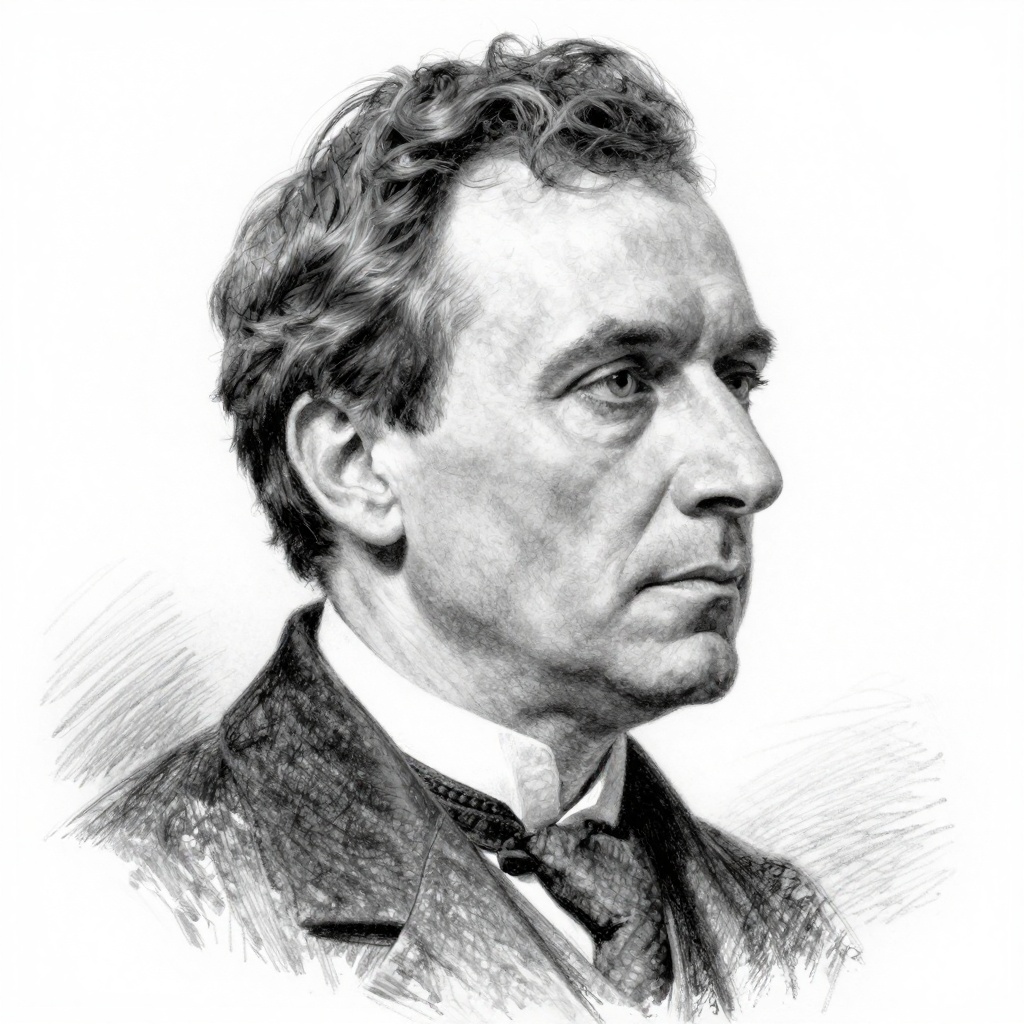
Stephen Grellet
1773–1855·lived 81 years
Stephen Grellet was a French-American Quaker missionary and philanthropist, born on December 2, 1773, in Oloron-Sainte-Marie, France. He is known for his tireless work in promoting education and social reform in the United States during the early 19th century, particularly among Native American communities and the poor. Grellet traveled extensively throughout the Americas, advocating for peace and humanitarian efforts until his death on December 16, 1855.
Comments