Quote · Added 7 March 2026
Reading
AI generatedHome and horizon, both essential
Most of us recognize this feeling without quite naming it. We treat our homes and familiar places as solid, knowable, safe—the things we can count on. Then there's everything else: the wider world, other people's intentions, the future itself. It all feels a little like being on water, where the rules aren't as clear and you can't always see the bottom.
What's interesting is how this shapes what we're willing to do. We take risks on the sea because we have to, because growth and meaning often hide out there in the unknown. But we also retreat to land when we're tired or scared, and that's not weakness—it's human. The real tension isn't choosing one or the other. It's understanding that we need both: anchoring points that feel like home, and the willingness to leave them when something calls us forward.
The trick is not getting too comfortable on either side. People who never leave solid ground often feel trapped. But those who stay too long on uncertain waters exhaust themselves. The healthiest life probably looks like someone who has a home they genuinely want to return to and the courage to venture out anyway.
The author
All 2 quotes by Stephen Gardiner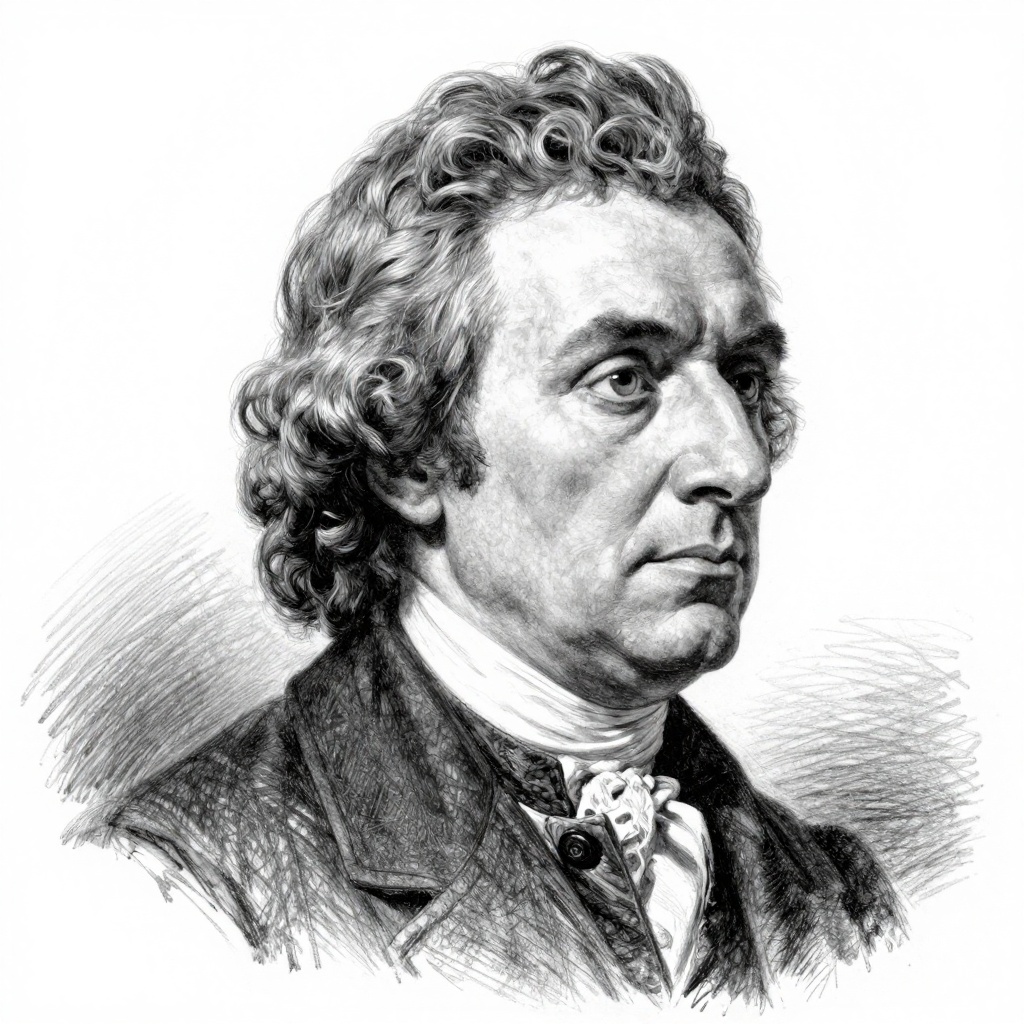
Stephen Gardiner
1483–1555·lived 72 years
Stephen Gardiner was an English bishop and statesman born around 1483, known for his role as a prominent figure in the Tudor court. He served as Bishop of Winchester and was a key supporter of Queen Mary I, playing a significant part in her efforts to restore Roman Catholicism in England. Gardiner is also noted for his opposition to Protestant reformers and his involvement in the controversies surrounding the religious changes of the 16th century until his death in 1555.
Also by Stephen Gardiner
The garden, by design, is concerned with both the interior and the land beyond the garden.
Comments