Quote · Added 10 February 2026
Patience is the companion of wisdom.
St. AugustineDe patientia
No ratings yet
Quote · Added 10 February 2026
We live in a culture that treats patience like a character flaw—something to overcome rather than cultivate. But there's a reason wisdom rarely shows up overnight. When you rush to conclusions, you're working with incomplete information. When you act without pause, you're usually operating from habit or emotion rather than understanding. Patience gives you time to actually see what's in front of you, to question your first instinct, to gather the pieces that matter.
What's interesting is that patience isn't really about waiting passively. It's about staying engaged while resisting the urge to force an answer. A parent watching a struggling child figure something out, a person sitting with a difficult feeling instead of immediately numbing it, someone thinking carefully before responding in an argument—these are all forms of patience that lead somewhere wiser than the hasty version would have gone.
The tricky part is that patience feels unproductive in the moment. But the deepest decisions you'll make—about relationships, work, who you want to become—almost always improve when you give yourself permission to sit with them longer. Wisdom isn't about having all the answers fast. It's about being willing to take the time until what you're seeing actually makes sense.
d. 430
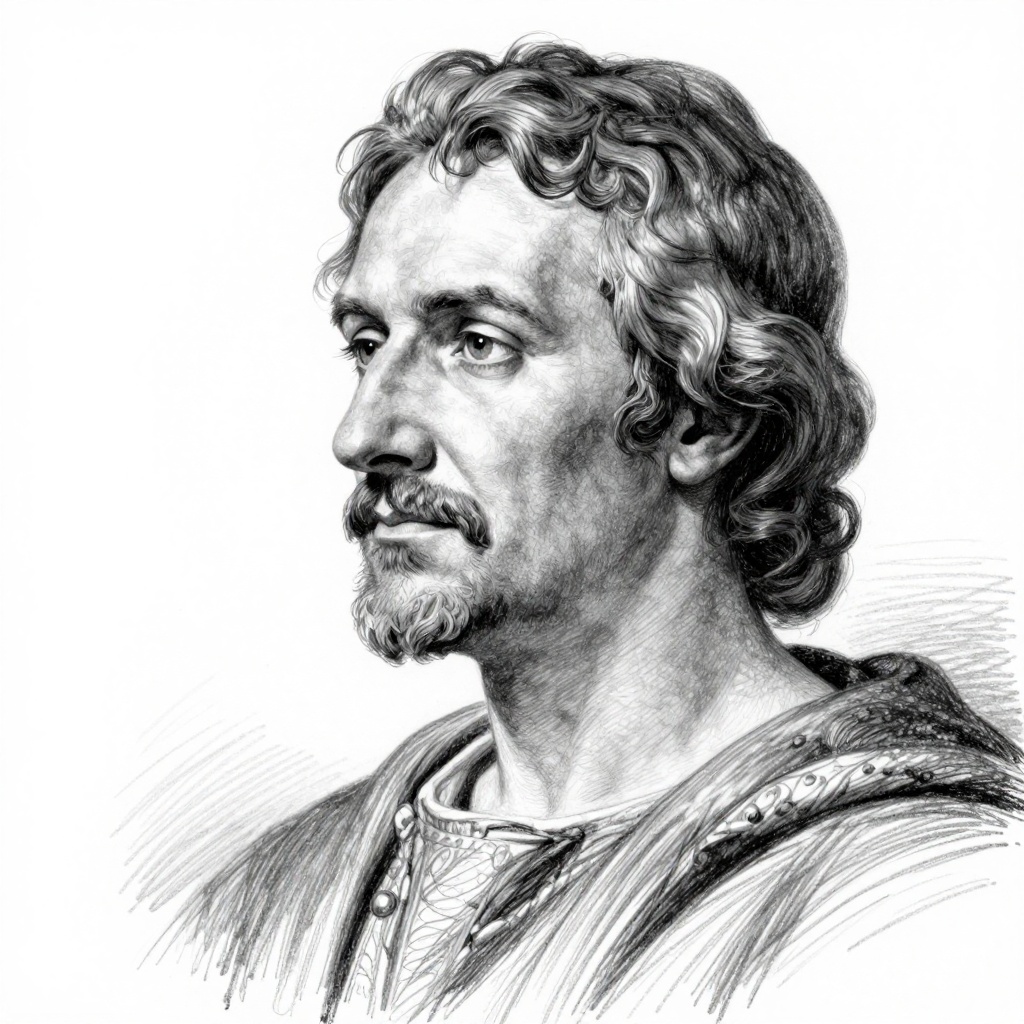
St. Augustine was a Roman African philosopher and theologian who became one of the most important figures in the development of Western Christianity. His works, such as "Confessions" and "City of God," profoundly influenced Christian thought and continue to be widely studied and admired for their insights into human nature and the divine.
Comments