Quote · Added 10 February 2026
O, what a tangled web we weave when first we practise to deceive!
Sir Walter ScottMarmion, Canto VI, Stanza 17, 1808
No ratings yet
Filed underdeceit·complexity·consequences
Quote · Added 10 February 2026
Filed underdeceit·complexity·consequences
There's a moment most of us know well: you tell a small lie to avoid something uncomfortable, and suddenly you're trapped. You have to remember what you said to that person, adjust it slightly for someone else, then keep the whole story straight. What started as a quick fix becomes an exhausting mental project. Scott's line captures this perfectly—not just the moral weight of dishonesty, but the practical nightmare it creates.
The clever part is that this tangles us more than anyone else. Yes, deception damages trust with others, but the real damage happens inside. You become hypervigilant about contradictions, anxious about being caught, careful about which version you told whom. It's like you've installed a background process that runs constantly, consuming energy. Meanwhile, truth requires almost no maintenance. You say it once and move on.
What makes this quote sting today is how easy it's become to lie casually—a small exaggeration online, a selective story in a text, a convenience that feels victimless. But Scott understood something timeless: deception has a compounding cost. Each lie doesn't sit alone; it connects to others, creating that web. The freedom of honesty, by contrast, looks simpler and simpler the more you actually try it.
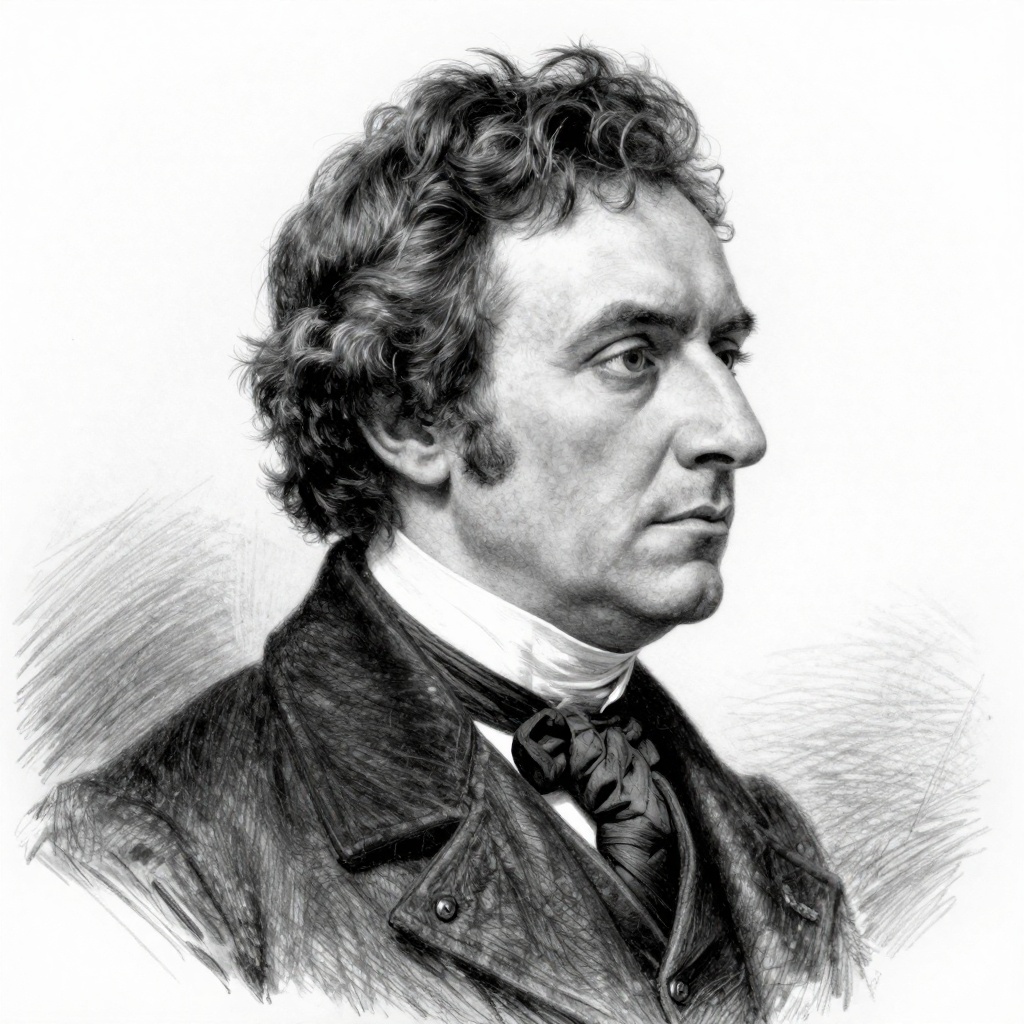
1771–1832·lived 61 years
Sir Walter Scott was a Scottish historical novelist, poet, and playwright, who is widely regarded as a key figure in the development of the historical novel genre. He is best known for his novels such as "Ivanhoe," "Rob Roy," and "Waverley," which are characterized by their vivid portrayal of Scottish history and culture. Scott's works have had a lasting impact on literature and continue to be celebrated for their storytelling and romanticized depiction of the past.
Comments